






From the blazing limestone canyons of Mexico to the rocky slopes of the Mediterranean, desert plants have spent millennia engineering nature's most breathtaking defense mechanisms. Toward the end of summer, when ruby red, violet, and amber fruits burst forth from succulent cactus stems, almost every curious observer wonders with a hint of trepidation: Could these vibrant fruits be poisonous? While brilliant colors in the wild frequently serve as warning flags, the evolutionary calculus of the cactus family tells a dramatically different tale.
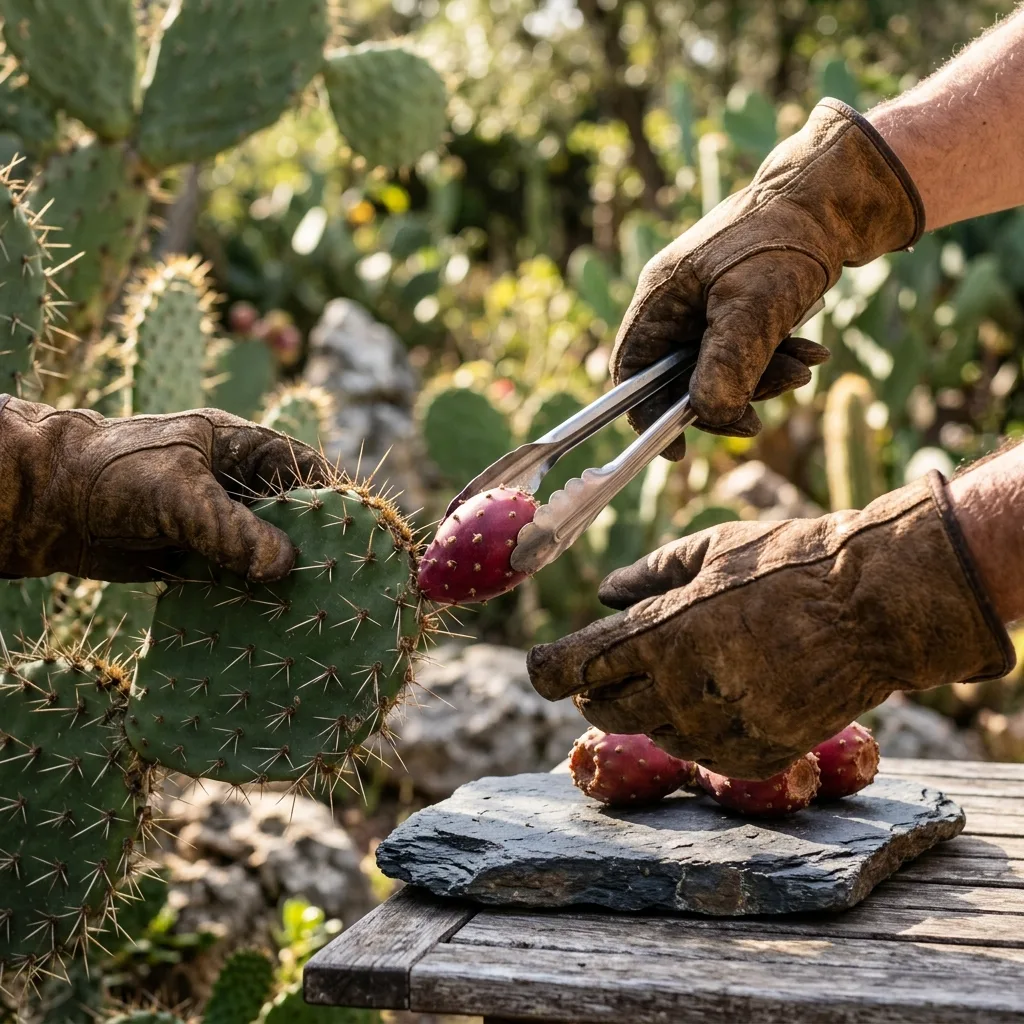
In our greenhouses at Sukulentler.com, where visitors often reach out a hesitant hand toward these colorful gems, these fruits are not biochemical reservoirs of poison; they are nutrient-dense botanical treasures designed to disperse seeds across unforgiving desert terrains. Yet, being non-toxic biochemically does not mean you can recklessly pluck and bite into them right off the pad. The true danger of cacti lies not in systemic chemical venom, but in their microscopic mechanical anchors.
In this comprehensive guide, we unpack the biological truth behind whether cactus fruit is poisonous, while providing step-by-step instructions on how to cultivate, overwinter, flower, and harvest these magnificent fruiting cacti in containers, balconies, and indoor winter gardens without losing a single root to rot.
1. Taxonomic Identity, Areole Structure, and Spine Morphology
In botanical science, out of more than 2,000 distinct species belonging to the Cactaceae family, the overwhelming majority produce fruits that are completely non-toxic in a biochemical sense. Prominent examples such as Opuntia ficus-indica (prickly pear), Hylocereus undatus (pitaya / dragon fruit), Carnegiea gigantea (saguaro), and Myrtillocactus geometrizans harbor no lethal alkaloids or toxic glycosides. In fact, roughly 99% of reported 'poisoning' incidents are actually severe mechanical injuries caused by insidious barbed structures known as glochids.
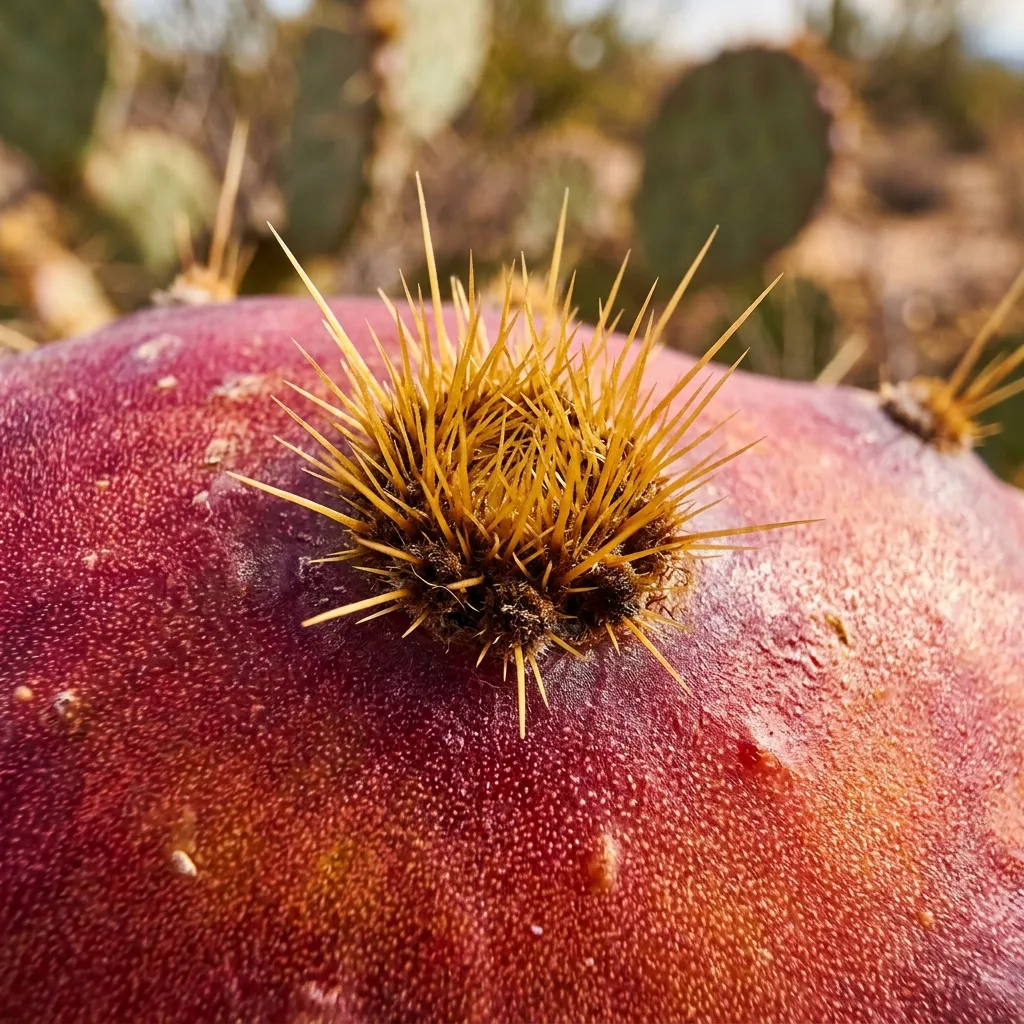
The quintessential anatomical feature separating cacti from all other succulent plant families is the presence of areoles—specialized, condensed vegetative buds. Distributed across both the stem pads and the outer epidermis of the fruit, these areoles produce dense clusters of hair-like glochids equipped with microscopic, backward-pointing barbs. When these tiny bristles contact the tongue, palate, or esophageal lining, they instantly lodge into the soft tissue, provoking intense edema, stinging sensations, localized inflammatory cascades, and acute dysphagia. This distressing physical trauma is precisely what led to the enduring folk myth that cactus fruit is inherently toxic.
2. Sunlight Exposure, Intensity, and Airflow Requirements
Fruiting cacti are unapologetic sun worshippers that fuel their demanding reproductive energy straight from unfiltered solar radiation. To sustain balanced chlorophyll synthesis across the stem epidermis and stimulate areoles to differentiate into reproductive flower buds, your cactus requires a minimum of 6 to 8 hours of direct, unfiltered sunlight daily. Deprived of sufficient solar intensity, the plant enters severe etiolation—stretching out into pale, attenuated, structurally frail growth that will never have the reserves to initiate flowering or sustain fruit development.
For indoor collections, south- or southwest-facing window ledges provide the closest approximation to desert irradiance. However, stagnant, unventilated air is just as detrimental as poor light. Desert breezes naturally preserve the protective epicuticular wax (farina) on the stem while wicking away moisture droplets that could harbor fungal spores. Maintain steady ambient ventilation around your plants year-round, and never confine fruiting desert cacti to suffocating terrariums or damp, windowless bathrooms.
3. Watering Cycles and the Crucial Winter Dormancy Protocol
Watering a desert cactus should never adhere to a rigid calendar schedule; it must always be dictated by soil moisture depletion. Many well-meaning plant parents view frequent watering as a sign of affection, yet excessive moisture merely saturates the root zone, suffocating vascular xylem conduits and inviting anaerobic decay. Throughout the active growing season of spring and summer, practice the strict 'soak and dry' method: saturate the entire substrate thoroughly, and do not provide a single drop of water again until the mix is bone-dry from top to bottom.
To produce flowers and fruit the following season, a cactus requires an uninterrupted period of cold winter dormancy. From November through late February, the plant throttles back its Crassulacean Acid Metabolism (CAM) to a bare minimum:
- Temperature Range: Move the cactus to a bright, cool environment kept between 8°C and 12°C (46°F–54°F), protecting it strictly from freezing frosts.
- Water Deprivation: Withhold irrigation almost entirely during dormancy. A light pour of a few tablespoons every 4 to 6 weeks is more than enough to prevent fine feeder roots from desiccating completely.
- Reproductive Trigger: Without this cool, dry vernalization phase, the areoles will produce only vegetative pads (cladodes) in spring rather than differentiating into flower buds.
4. High-Mineral Substrate Formulations and Terracotta Containers
The root systems of fruiting cacti cannot tolerate waterlogged organic fibers like peat moss or standard potting soil. In their native habitats, these plants anchor within limestone crevices, volcanic tuffs, and coarse granitic sands. Consequently, at least 70% of your potting substrate must consist of highly porous, coarse inorganic minerals.
Always pot desert cacti in unglazed, breathable terracotta containers fitted with generous bottom drainage holes. Glazed ceramic, plastic, or glass containers seal in lingering moisture, creating the ideal incubator for opportunistic fungal pathogens.
| Substrate Component | Ratio (%) | Botanical Function & Benefit |
|---|---|---|
| Pumice (3–6 mm) | 35% | Superior porosity, creates oxygen pockets, and aerates root zones |
| Lava Rock / Zeolite Blend | 25% | Improves drainage and gradually releases trace minerals to deter root rot |
| Coarse River Sand / Quartz Grit | 10% | Prevents substrate compaction and root strangulation |
| Sifted Cactus Peat / Leaf Compost | 20% | Provides mild organic nutrient retention and controlled moisture buffering |
| Worm Castings or Fine Biochar | 10% | Introduces beneficial microbes and delivers gentle, sustained nitrogen |
5. Flower Induction Techniques and Nutritional Support
A bountiful harvest begins with a successful bloom. Flower bud formation in mature cacti relies heavily on an optimal balance of phosphorus and potassium rather than high nitrogen. During active growth from mid-spring to mid-summer, nourish your plant once a month with a specialized fertilizer. Choose a formulation with low nitrogen and elevated phosphorus and potassium (such as NPK 5-10-10 or 4-8-12). Excess nitrogen forces rapid, watery cellular elongation, weakening structural resilience and completely aborting blossom formation.
Once flowers open, fruit set requires successful pollination. If your cactus is kept indoors or in an enclosed balcony where wild pollinators like bees and nocturnal moths cannot reach it, you will need to perform manual pollination. Using a clean, soft-bristled watercolor brush, gently lift pollen from the anthers of the stamens and dust it across the receptive lobes of the central stigma. Within a couple of weeks, the petals will wither, and the inferior ovary below will swell into a nutritious, sweet fruit.
6. Propagation: Stem Cuttings, Callusing, and Grafting
Multiplying fruiting cacti—especially paddle types like Opuntia or climbing species like Hylocereus—is easiest through vegetative stem cuttings (cladodes or pads). Plan this propagation work for spring or early summer:
- Using a sharp, flame-sterilized knife, cleanly sever a mature, healthy pad right at the joint where it attaches to the main stem.
- Never plant a fresh cutting directly into damp soil. Place it in a dry, shaded, well-ventilated spot for 5 to 7 days to form a firm callus. This callused tissue acts as the plant's natural protective shield against soil-borne pathogens.
- Once callused, insert the bottom 2–3 cm (1 inch) of the cutting upright into our dry mineral substrate, securing it with a small wooden stake if necessary.
- Do not water for the first two weeks. Around day 15, provide a light bottom-watering to encourage nascent root tips to seek moisture. Robust root systems typically develop within 4 to 6 weeks.
For slow-growing globular cacti that yield edible berries, grafting is a widely favored method to accelerate maturity threefold. Aligning the vascular cambium of a scion with a vigorous Hylocereus rootstock channels immense vegetative energy, bringing flowers and fruit seasons ahead of schedule.
7. Defending Against Fungal Pathogens and Stem Rot
The single greatest hazard in cactus care is root and basal stem rot, fueled by overwatering and inadequate drainage. Fungal culprits like Fusarium and Phytophthora thrive in cool, waterlogged substrates, rapidly breaking down root cortex tissue and ascending into the vascular bundles.
Prompt intervention is essential. The moment you notice yellowing, localized sponginess, or dark brown lesions at the base of the stem, unpot the specimen immediately. Using a sterile blade, excise all discolored, decaying root and stem tissue until you reach clean, crisp green flesh. Treat the cut surface liberally with activated charcoal powder or ground cinnamon to suppress remaining fungal spores. Allow the pruned cactus to air-dry and recut callus for at least a week before attempting to reroot it in fresh, dry mineral grit. Discard the contaminated soil entirely, and sterilize the old container thoroughly before reuse.


Reader Reviews & Comments 3 Reviews
Marcus Vance
Emma Watson
David Miller
Leave a Review & Rating
Share your plant care tips, experiences, or questions with our succulent community.