






From the arid plateaus of central Mexico to the sun-drenched, maritime cliffs of the Mediterranean basin, the genus Opuntia stands among nature's most resilient architectural wonders. Years ago, while examining the ruby-red and amber-gold fruits ripening along the volcanic stone terraces of Sicily, I came to realize that this plant does not simply endure severe drought—it synthesizes a genuine biochemical antidote for human metabolic stress. While succulent enthusiasts frequently prize the prickly pear solely for its sculptural, paddle-shaped silhouette, it is fundamentally a botanical apothecary, sequestering potent antioxidant suites and vital micronutrients within its rigid cell walls.
Our bond with plants extends far beyond passive visual admiration. Understanding how a plant's evolutionary survival adaptations directly serve human physiology elevates the craft of cultivation into something truly profound. Under relentless solar exposure, Opuntia ficus-indica concentrates photoprotective betalain pigments and complex polysaccharides within its fruit pulp to shield its tissues from ultraviolet radiation. In this master guide, we will unpack the 21 clinically validated health benefits that have captured scientific attention worldwide, while outlining the exact horticultural techniques needed to cultivate, overwinter, and harvest this noble cactus in your living room, balcony, or outdoor garden.
1. Taxonomic Identity, Areole Architecture, and Spine Morphology
Opuntia ficus-indica is an arborescent, stem-succulent shrub belonging to the subfamily Opuntioideae within the botanical family Cactaceae. The signature morphological hallmark distinguishing this genus from other cacti is the presence of flattened, pad-like stem segments designated as 'cladodes'. Often mistaken for true leaves, these fleshy pads are modified stems packed with water-storing parenchymal tissue, engineered to perform the entirety of the plant's photosynthetic machinery.
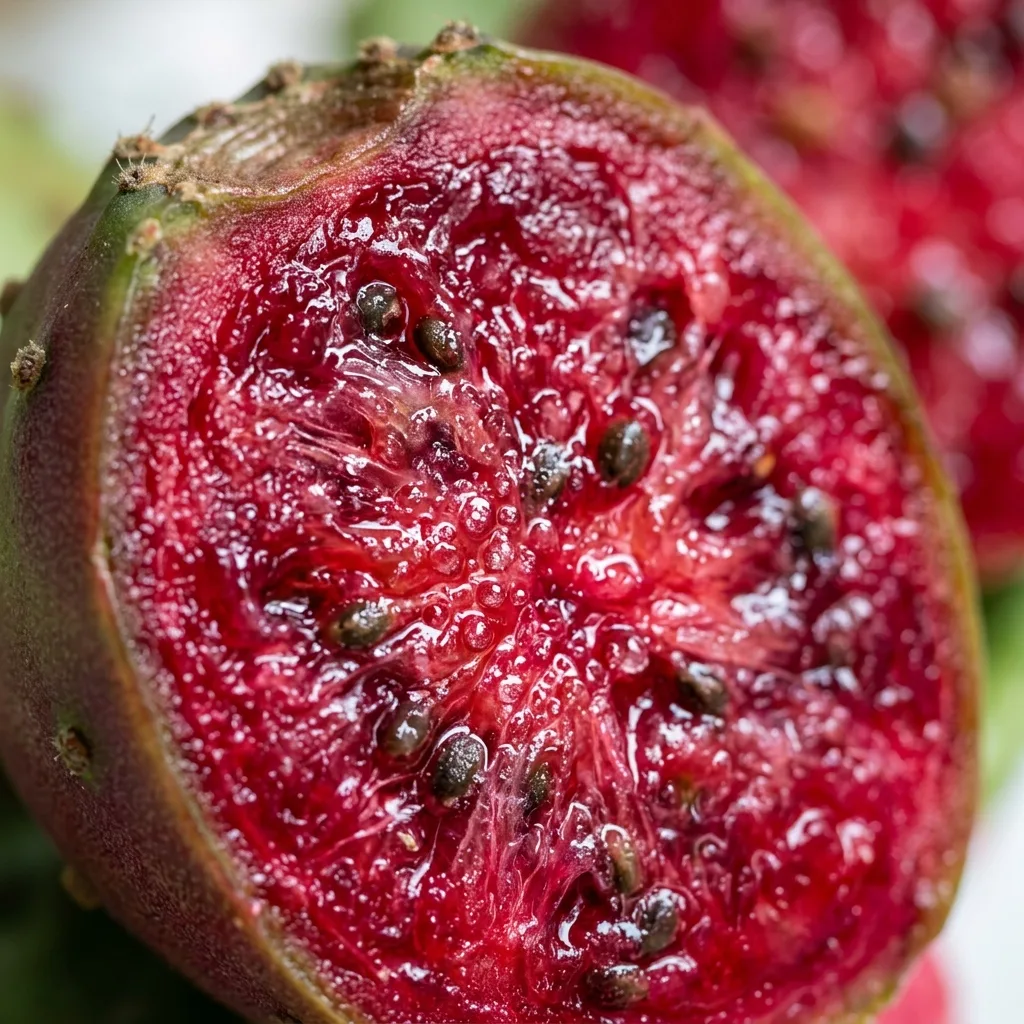
The defensive arsenal of the prickly pear is dual-layered: prominent, lignified true spines emerge alongside dense clusters of microscopic, hair-like barbed bristles known as 'glochids'. Emerging from specialized growth centers called areoles, glochids possess retrorse (backward-facing) barbs that instantly lodge into epidermal tissue upon the slightest tactile contact, serving as a deterrent against herbivory. These same areoles and glochids stud the outer pericarp of the fruit. Botanically, the prickly pear is classified as an epigynous false berry (hypanthium-derived fruit), formed when the floral receptacle swells and encapsulates the ovarian chamber.
21 Clinically Proven Health Benefits of Cactus Fruit
Contemporary pharmacognosy and clinical nutritional biochemistry have verified the bioactivity of Opuntia fruit. Below are the 21 most prominent, evidence-based benefits documented in modern scientific literature:
- Potent Antioxidant Defense: Rich in rare betalain pigments (namely betanin and indicaxanthin) that scavenge reactive oxygen species and mitigate cellular oxidative stress.
- Glycemic Regulation in Type 2 Diabetes: Soluble pectin and mucilaginous fibers delay intestinal glucose uptake, flattening postprandial insulin spikes.
- Reduction of Circulating LDL Cholesterol: Bioactive phytosterols and water-soluble fibers interrupt hepatic cholesterol synthesis and facilitate bile acid excretion.
- Hepatoprotective Activity: Concentrated polyphenols support liver detoxification pathways and assist in stabilizing transaminase levels (ALT and AST).
- Hangover Symptom Mitigation: Clinical trials indicate that consuming Opuntia extract prior to alcohol ingestion downregulates inflammatory cytokine production, diminishing nausea, dry mouth, and cephalea.
- Gastrointestinal Motility and Microbiome Health: Prebiotic oligosaccharides nourish symbiotic gut flora and promote regular peristalsis, resolving chronic constipation.
- Gastric Mucosal Shielding: Endogenous mucilage forms a viscous, protective film over the stomach lining, exhibiting anti-ulcerogenic and acid-buffering properties.
- Satiety Induction and Weight Management: High-density hydrocolloids expand in the digestive tract, stimulating the sustained secretion of satiety hormones.
- Cardiovascular Support: Robust levels of bioavailable potassium and magnesium optimize endothelial elasticity, counterbalancing sodium and regulating arterial pressure.
- Suppression of Systemic Inflammation: Key flavonols including quercetin and kaempferol inhibit cyclooxygenase enzymes, subduing chronic cellular inflammatory cascades.
- Immunological Enhancement: A single serving provides over a third of the daily ascorbic acid requirement, enhancing leukocyte phagocytosis and natural killer cell activity.
- Skeletal and Dental Mineralization: High concentrations of elemental calcium, paired with magnesium, provide the structural building blocks for bone density preservation.
- Dermal Barrier Fortification: Cold-pressed seed oils deliver concentrated linoleic acid and alpha-tocopherol (vitamin E), resisting UV-induced collagen degradation.
- Follicular Microcirculation: Rich micronutrient profiles invigorate peripheral capillary beds surrounding the scalp, reducing premature follicular shedding.
- Atherosclerosis Risk Reduction: By blocking the oxidation of low-density lipoproteins, the fruit's phenolic compounds impede the genesis of arterial atheromatous plaques.
- Genomic DNA Protection: Phenolic acids trigger cellular endogenous repair enzymes, reducing strand breakage induced by environmental free radicals.
- Neuroprotective Capacity: The low-molecular-weight phytochemical indicaxanthin can traverse the blood-brain barrier, shielding neuronal structures from hypoxia and excitotoxicity.
- Gentle Diuretic and Fluid Balance: By harmonizing systemic sodium-to-potassium ratios, it relieves extracellular fluid stagnation without depleting essential electrolytes.
- Post-Exercise Muscular Recovery: Dense electrolyte concentrations avert intracellular dehydration and significantly reduce the incidence of post-exertion muscle cramps.
- Macular Protection: Specialized carotenoid derivatives filter damaging blue-light spectra, protecting delicate retinal pigment epithelium cells.
- Wound Re-Epithelialization: The synergistic interplay of zinc and ascorbic acid accelerates fibroblasts, expediting tissue repair and topical healing.
2. Photoperiod, Solar Irradiance, and Ventilation Dynamics
Opuntia species are unapologetically heliophilic. To initiate floral meristem differentiation and set fruit, an individual specimen demands a minimum of 6 to 8 hours of direct, unfiltered solar radiation daily. In low-light indoor environments, the plant succumbs to severe etiolation—producing pale, pencil-thin, fragile cladodes that exhaust the plant's carbohydrate reserves and make flowering physiologically impossible.
Dynamic airflow is just as vital as luminescent energy. Stagnant, humid air creates an ideal microclimate for opportunistic fungal spores to colonize the areolar cavities and waxy epidermis. South-facing balconies, exposed outdoor terraces, or unshaded sunrooms provide the superior air exchange and high light intensity this desert native requires.
3. Irrigation Protocols and the Crucial Winter Dormancy Cycle
Over-watering a cactus is not an act of benevolence; it is a swift path to root suffocation. Opuntia operates under Crassulacean Acid Metabolism (CAM), keeping its stomata tightly closed throughout the heat of the day to eliminate evapotranspiration, opening them only under the cover of night to fix carbon dioxide. Throughout the active vegetative phase (April through October), practice the thorough 'soak and dry' method, allowing the entire root zone to dry completely between drenchings.
The secret to abundant fruit set lies in winter dormancy. Between late autumn and late February, relocate your Opuntia to an unheated, bright environment maintained strictly between 5°C and 10°C (41°F–50°F). Cease irrigation entirely, or limit it to a few tablespoons per month if cladodes begin to show pronounced shriveling. This chill-and-drought stress halts vegetative cell division and triggers the hormonal cascade necessary for dormant meristems to wake as flower buds rather than vegetative pads.

4. Highly Porous Mineral Substrate and Potting Specifications
Planting an Opuntia in standard peat-heavy potting mix is an invitation for root pathogens. When fragile root xylem is subjected to sustained moisture, anaerobic bacteria and oomycetes destroy the root cortex in a matter of days. An optimal growing medium must be predominantly inorganic, facilitating water drainage within seconds of application.
| Substrate Component | Ratio (%) | Botanical Function & Advantages |
|---|---|---|
| Pumice (3–6 mm) | 35% | Creates stable air macropores, resisting compaction and waterlogging. |
| Crushed Lava Rock (Scoria) | 25% | Provides anchoring ballast and sustained trace iron and mineral release. |
| Zeolite or Calcined Clay | 15% | High cation-exchange capacity (CEC); retains and slowly feeds micro-elements. |
| Coarse Quartz Sand / Grit | 10% | Forms structural drainage channels, preventing substrate bridging. |
| Decomposed Organic Compost | 15% | Supplies essential humic acids and foundational microbial vitality. |
5. Inducing Profuse Blooms and Nutrient Regimes
To convert an Opuntia's vegetative energy into brilliant yellow, orange, or deep crimson blossoms—and subsequent fruit—the nutritional regime must favor phosphorus and potassium over nitrogen. Applying high-nitrogen fertilizers during the spring emergence triggers rapid, floppy cladode growth at the complete expense of bloom production.
Utilize a specialized cactus fertilizer formulated around an NPK profile of 5-10-10 or 4-8-12. Dilute to half the manufacturer's recommended strength and apply once monthly during May and June. Once floral buds emerge along the margins of the pads, maintain consistent pot orientation; rotating the container abruptly alters the light angle, causing the plant to abort and drop delicate flower buds.
6. Propagation via Stem Cuttings and Cladode Callusing
Opuntia is celebrated for its vegetative vigor. To propagate, select a fully matured, firm cladode that is at least one full growing season old. Sever the pad cleanly at the joint using a sterilized, razor-sharp grafting knife. Under no circumstances should you plant a fresh cutting directly into soil.
Allow the severed cladode to sit in a dry, shaded, well-ventilated spot for 4 to 7 days until the cut edge develops a tough, corky callus. This protective layer acts as an impermeable barrier against soil-borne pathogens. Once callused, insert the cutting upright approximately 3 to 4 cm into the dry mineral mix detailed above. Withhold all water for the first 10 days, maintaining mild ambient humidity. Active root primordia will generally establish within 3 to 4 weeks.
7. Defending Against Fungal Pathogens and Pests
Cultivating Opuntia involves managing two primary vulnerabilities: sap-sucking mealybugs (Pseudococcidae) and fungal root pathogens (such as Phytophthora and Fusarium). If you observe white, cottony masses concentrated deep within the areoles, perform targeted mechanical removal using a cotton swab dipped in 70% isopropyl alcohol, followed by a misting of cold-pressed neem oil solution.
If the base of a cladode becomes squishy, translucent, or exhibits spreading dark-brown lesions, root rot has progressed upward into the vascular system. Immediately unpot the specimen, excise all diseased, necrotic tissue with a sterile blade until only pristine green tissue remains, dust the clean wound surface liberally with elemental sulfur powder, and allow it to re-callus before attempting to root it anew.


Reader Reviews & Comments 3 Reviews
Julian Vance
Marcus Sterling
Eleanor Brooks
Leave a Review & Rating
Share your plant care tips, experiences, or questions with our succulent community.