






Spanning from the sun-scorched expanse of the Sonoran Desert to the mist-shrouded elevations of the Andes, the family Cactaceae stands as nature's ultimate architectural triumph against aridity. Through millions of years of evolutionary refinement, these ancient xerophytes relinquished traditional foliage and transformed their stems into expansive, accordion-ribbed water reservoirs. Today, they impart sculptural grandeur to contemporary interiors while braving unforgiving climates in outdoor rockeries and xeriscapes.
The most pervasive misstep among cactus enthusiasts is presuming that all cacti share identical microclimatic demands. An epiphytic or shade-tolerant Mammillaria thriving in the dappled sunlight of a bright parlor operates on an entirely distinct ecological frequency compared to a cold-hardy Opuntia engelmannii enduring sub-zero winter freezes under open skies. Harmonizing each species with its precise niche ensures these desert icons do not merely survive in a state of suspended animation, but vigorously expand and crown themselves in dazzling spring blossoms.
1. Taxonomic Identity, Areole Morphology, and Spine Anatomy
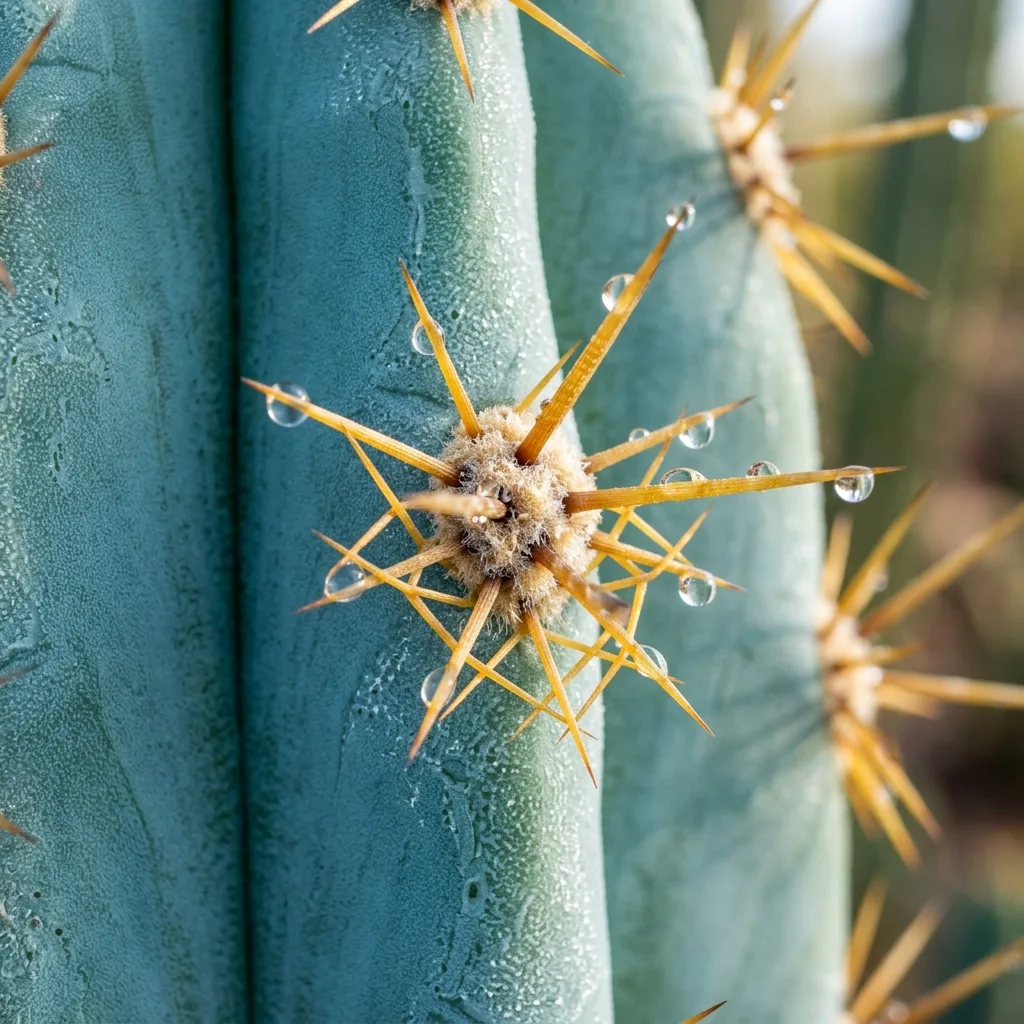
The defining anatomical hallmark that distinguishes a true cactus from other succulent flora is the presence of the areole. These specialized, cushion-like modified buds function as the central biological hubs from which spines, lateral offsets, and exquisite floral structures emerge. Spines themselves represent evolutionary modified leaves; they mitigate transpirational moisture loss, cast delicate shadow patterns that reduce epidermal temperatures by 5–10°C, and condense microscopic water droplets from dawn fogs, funneling precious moisture down toward the root perimeter.
To help you cultivate a thriving collection, we have categorized 20 exemplary species into two primary environmental cohorts based on morphological tolerances and native habitats:
A. Top 10 Indoor Cacti (Windowsills, Sunrooms, and Living Spaces)
- 1. Gymnocalycium mihanovichii (Chin Cactus): Displays remarkable tolerance for indirect indoor luminosity; rewards growers with satiny, silky flowers through midsummer.
- 2. Mammillaria elongata (Ladyfinger Cactus): Renowned for its curved, golden-yellow spines and propensity to form dense, captivating indoor clusters.
- 3. Rhipsalidopsis gaertneri (Easter Cactus): A forest epiphyte that recoils from scorching rays, yielding radiant star-shaped blossoms under filtered indoor light.
- 4. Schlumbergera truncata (Thanksgiving / Holiday Cactus): Features spineless, segmented photosynthetic cladodes that illuminate living spaces with vibrant late-autumn and winter blooms.
- 5. Astrophytum myriostigma (Bishop's Cap): Spineless and geometrically ribbed, covered in microscopic white trichome flecks that diffuse harsh sunlight into usable indoor energy.
- 6. Parodia magnifica (Ball Cactus): Stays compact with powder-blue ribbed columns and golden bristle-like spines, making it a pristine windowsill centerpiece.
- 7. Hatiora salicornioides (Drunkard's Dream): Features playful, bottle-shaped branching stems that add lush, tropical texture to indoor hanging planters.
- 8. Mammillaria bocasana (Powder Puff Cactus): Wrapped in soft, cottony white down that resists household dust, bearing charming concentric halos of pink blossoms each spring.
- 9. Epiphyllum oxypetalum (Queen of the Night): World-renowned for its dinner-plate-sized, intoxicatingly fragrant flowers that unfurl for a single nocturnal spectacle in spacious indoor quarters.
- 10. Disocactus ackermannii: Cascades effortlessly with pendulous, rich crimson blossoms, lending architectural drama to bright, elevated plant stands.
B. Top 10 Resilient Outdoor Cacti (Balconies, Terraces, and Desert Gardens)
- 11. Echinocactus grusonii (Golden Barrel Cactus): Withstands fierce, unshielded outdoor sun; develops into a monumental garden sphere reaching up to a meter in diameter.
- 12. Opuntia humifusa (Eastern Prickly Pear): Exceptionally cold-hardy down to -25°C (-13°F); shrivels gracefully to survive sub-zero freezes and plumps up vigorously in spring.
- 13. Trichocereus pasacana (Echinopsis atacamensis): A towering columnar titan that provides dramatic focal points in windy, open-air landscapes and large patio vessels.
- 14. Ferocactus wislizeni (Fishhook Barrel): Heavy, recurved spines form an impenetrable barrier that acts as a natural sunscreen under scorching UV exposure.
- 15. Cylindropuntia imbricata (Tree Cholla): Forms robust, shrub-like natural hedgerows in arid rockeries, resisting biting alpine winds and winter freezes.
- 16. Cereus peruvianus (Peruvian Apple Cactus): A commanding columnar species that reaches 3–4 meters in outdoor beds and large planters, opening huge, nocturnal white blossoms.
- 17. Cleistocactus strausii (Silver Torch): Bristling with dense, white bristles that deflect intense summer heat while shrugging off light seasonal frosts down to -5°C (23°F).
- 18. Opuntia ficus-indica (Indian Fig): A stately, paddle-forming architectural giant suited for expansive property borders, yielding delicious and nutrient-dense edible fruits.
- 19. Echinocereus coccineus (Scarlet Hedgehog Cactus): Extraordinarily freeze-tolerant, carpeting rustic outdoor rockeries with brilliant vermilion-scarlet blooms in late spring.
- 20. Oreocereus trollii (Old Man of the Andes): Cloaked in long, woolly white hairs evolved to insulate its core against the howling gales and frost of high-altitude montane plateaus.
2. Light Requirements, Solar Intensity, and Atmospheric Aeration
Cacti execute Crassulacean Acid Metabolism (CAM) photosynthesis. Under this specialized biochemical adaptation, the plant keeps its stomata hermetically sealed throughout the daytime heat to prevent evaporative moisture loss, opening them exclusively during the cool hours of the night to capture and store carbon dioxide as malic acid. However, to convert that stored acid into life-giving carbohydrates the following morning, the plant requires an abundance of daytime photonic energy.
Outdoor desert varieties demand a minimum of 6 to 8 hours of unfiltered sunlight per day. Conversely, indoor varieties (especially epiphytes and Gymnocalycium) flourish in bright, diffused light filtered through a sheer curtain near south- or east-facing exposures. Depriving an indoor cactus of adequate light leads rapidly to etiolation—an irreversible condition characterized by pale, stretched, and structurally compromised growth. Crucially, stagnant air is an insidious threat: buoyant, continuous atmospheric circulation is indispensable both indoors and outdoors to prevent micro-pockets of fungal spores from settling on the epidermis.
3. Watering Cycles and the Critical Winter Dormancy Regime
Dousing a cactus with frequent waterings is not a gesture of love; it deprives the root system of oxygen, paving the way for lethal root suffocation. Cactus parenchyma cells function like microscopic biological sponges. The watering doctrine is straightforward: soak the soil thoroughly until water flushes freely through the bottom drainage ports, and then withhold water entirely until the substrate has dried out completely to the very base of the pot.
During active spring and summer growth, an outdoor specimen exposed to thermal breezes may need water once a week, whereas an indoor cactus may require irrigation only every 10 to 15 days. Yet, the real secret to vitality lies in winter dormancy. Between November and late March, cacti dramatically downregulate their metabolic processes. Desert cacti kept indoors should be moved to a cool, bright location (5–10°C / 41–50°F) and watered sparingly—once a month at most, or suspended altogether. A cactus denied a cool, dry winter rest will virtually never initiate floral buds come spring.
4. High-Mineral Cactus Substrates and Container Physics
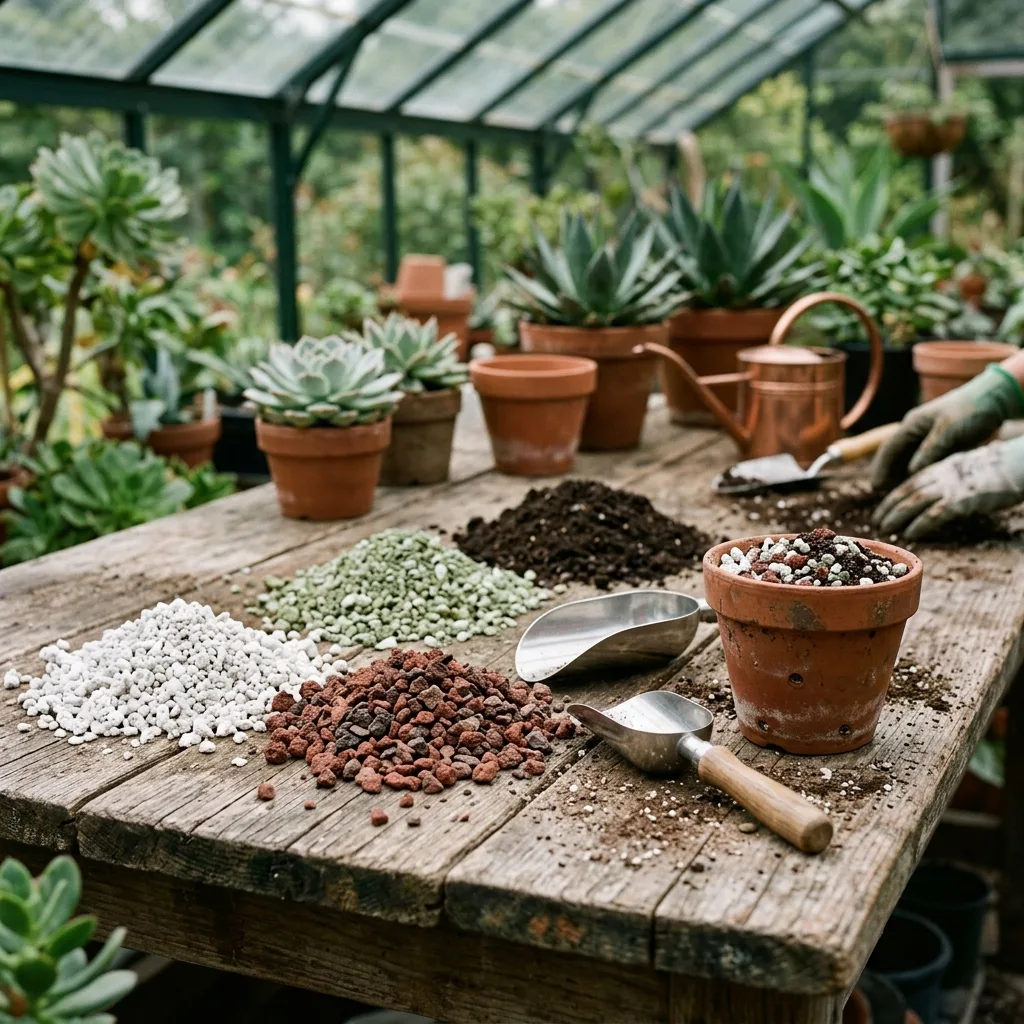
Standard commercial, peat-based potting soils are a death trap for cacti. Peat becomes hydrophobic and hardens like a brick when parched, yet stays waterlogged for weeks once soaked, systematically suffocating delicate root hairs. A premier cactus substrate must consist predominantly of porous, gritty, inorganic volcanic aggregates.
| Substrate Component | Outdoor Mix (%) | Indoor Mix (%) | Agronomic Function |
|---|---|---|---|
| Pumice (3–6mm) | 40% | 35% | Creates essential root-zone macropores and prevents root asphyxiation. |
| Lava Rock (Scoria) | 20% | 20% | Provides physical ballast to anchor heavy pots; slowly releases micro-minerals. |
| Zeolite (Clinoptilolite) | 15% | 15% | Enhances Cation Exchange Capacity (CEC) and balances nutrient delivery. |
| Coarse Quartz / River Sand | 15% | 10% | Maximizes rapid gravity-assisted water discharge and drainage velocity. |
| Screened Compost or Coco Coir | 10% | 20% | Provides an airy organic anchor and baseline moisture retention for root hairs. |
When selecting containers, unglazed terracotta pots with generous drainage holes are the gold standard. The porous clay walls permit lateral capillary evaporation, allowing the root xylem to breathe freely while guarding against accidental overwatering.
5. Botanical Strategies for Reblooming and Targeted Nutrition
Many novice growers believe cacti are purely static, spiny sculptures, unaware that they produce some of the most vibrant, fluorescent pink, amber, and fiery scarlet flowers in the botanical world. Unlocking this floral display requires a precise three-step protocol:
- Vernalization (Cold Dormancy): The specimen must experience 8 to 10 weeks in a bright yet chilly (5–10°C / 41–50°F) environment, allowing it to metabolize dormancy hormones (such as abscisic acid) and trigger floral initiation.
- Spring Awakening: As warmth returns in March, position the plant in full sun and administer a modest drench of lukewarm water to invigorate the apical meristem.
- Low Nitrogen, High Phosphorus: Never feed cacti balanced houseplant fertilizers rich in nitrogen, which causes weak, watery growth prone to epidermal rupturing. Instead, apply a specialized cactus fertilizer with an NPK ratio of 5-15-15 or 10-20-20 diluted to half strength once a month during active growth. High potassium and phosphorus directly fuel vibrant petal development and sturdy spines.
6. Propagation, Offset Division, and Grafting Techniques
Expanding your cactus collection is an immensely rewarding, science-backed endeavor. The two most common and effective propagation techniques are vegetative offset division and apical grafting:
Taking Stem Cuttings and Callus Formation: Sever lateral pups or branch segments using a sterilized, razor-sharp scalpel, ensuring the mother plant's central stem remains unmarred. Never pot freshly cut tissue directly into moist media! Place the cutting in a dry, ventilated, shaded area for 4 to 7 days until cellular division forms a dry, protective scar (callus tissue). Once callused, set the cutting atop a dry pumice-rich mix and withhold water for at least 10 days until initial root primordia emerge.
Grafting: Chlorophyll-deficient mutants (such as vivid red or neon-yellow Gymnocalycium mihanovichii forma rubra) cannot synthesize energy independently. These scions must be grafted onto a robust, photosynthetically active rootstock, such as a columnar Hylocereus. By aligning the vascular cambium rings of both plants and securing them firmly with elastic bands, their vascular systems fuse within several weeks, enabling them to thrive as a unified, striking chimera.
7. Mitigating Fungal Pathogens, Stem Rot, and Pests
The primary vulnerability of any cactus lies in opportunistic fungal pathogens, notably Fusarium, Pythium, and Phytophthora, which run rampant in waterlogged, poorly aerated soils. If the base of your cactus turns translucent, yellow, or soft to the touch, immediate intervention is necessary.
To save the plant, unpot it without delay. Using a flame-sterilized blade, slice away all brown, mushy tissue until only firm, pristine green flesh and an unblemished white vascular cylinder remain. Dust the exposed cut with sulfur powder or ground cinnamon (a natural antifungal agent) and permit the wound to air-dry in a breezy spot for a full week. Rest the healthy apical section on clean, bone-dry mineral grit to stimulate fresh adventitious roots. Additionally, inspect the areoles regularly for cottony clusters of mealybugs; eradicate these sap-sucking pests promptly by dabbing them with a cotton swab dipped in 70% isopropyl alcohol.


Reader Reviews & Comments 3 Reviews
Julian Vance
Marcus Sterling
Clara Higgins
Leave a Review & Rating
Share your plant care tips, experiences, or questions with our succulent community.