






Commonly known as the 'thumb cactus' due to its upright, columnar silhouette, this botanical species primarily represents Mammillaria matudae (along with closely related morphological variations of the genus), native to the arid valleys of Mexico. Clinging to rocky ravines and sun-baked slopes for millennia, this species has evolved a specialized cellular architecture capable of enduring extreme thermal swings and prolonged meteorological droughts.
The most striking morphological trait of the thumb cactus is its ontogenetic transition: growing as a solitary, upright thumb in its juvenile stage before clustering into dense colonies via basal offsets as it matures. During spring and early summer, it encircles its apical meristem with a dense coronet of vibrant magenta-pink flowers—presenting a magnificent visual spectacle for succulent enthusiasts. Yet behind this resilient exterior lies a delicate root system vulnerable to waterlogging and subtle substrate imbalances.
The most frequent pitfall when cultivating the thumb cactus indoors or in greenhouse settings is treating it like an ordinary tropical houseplant—keeping the substrate continuously moist and starving it of solar radiation. Understanding its CAM (Crassulacean Acid Metabolism) pathway, areolar anatomy, and the physiological mechanics of cold winter dormancy is the ultimate key to ensuring its longevity for decades.
1. Taxonomic Identity, Areole Architecture, and Spine Morphology
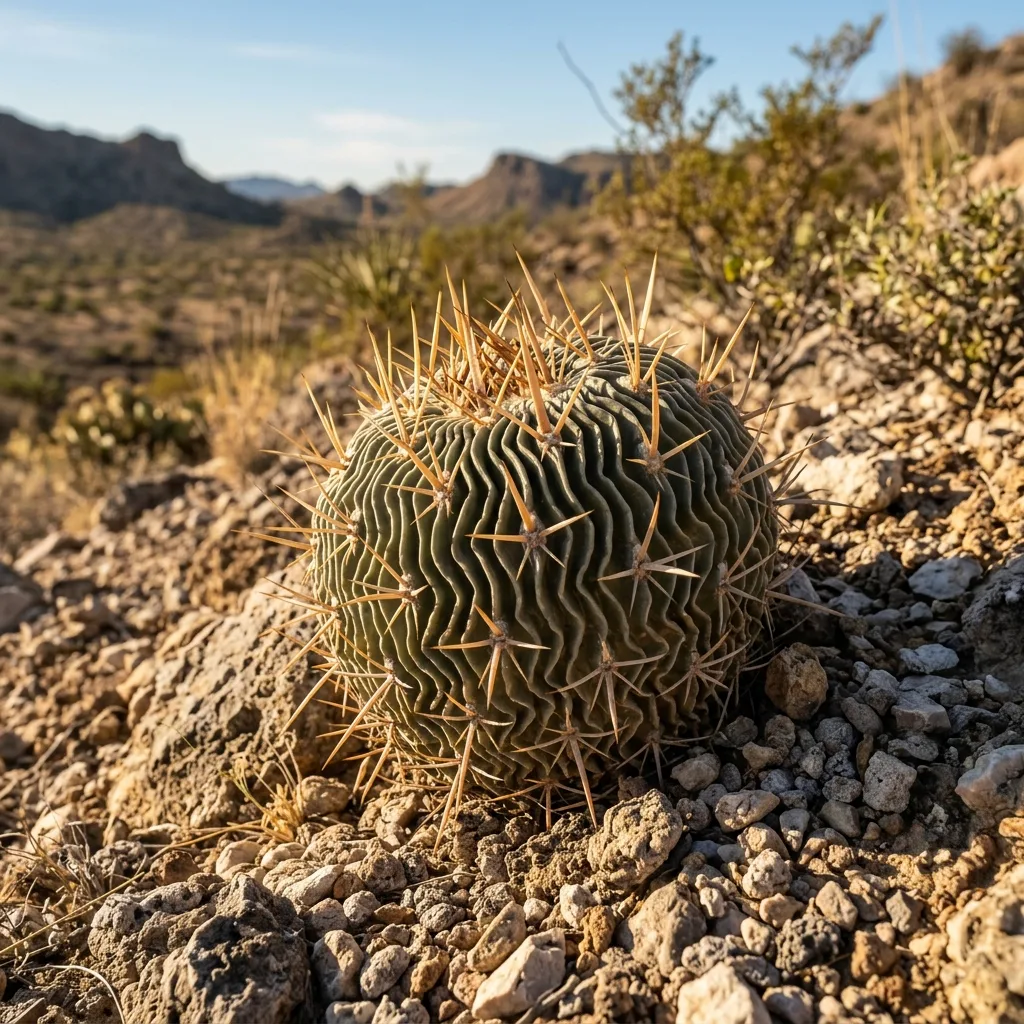
The thumb cactus belongs to Mammillaria, one of the most biodiverse genera within the family Cactaceae. Rather than possessing continuous ribs (costae), its cylindrical stem is composed of spirally arranged, geometric tubercles (podaria). These tubercles optimize light interception, expand internal water-storage capacity, and scatter direct solar radiation to mitigate cellular thermal stress.
At the apex of each tubercle lies a specialized bud structure known botanically as an areole. In Mammillaria matudae, each areole is surrounded by 18 to 26 slender, needle-like, chalk-white radial spines. Rising from the center are 1 or 2 slightly upturned, stiffer central spines that defend the epidermis against grazing herbivores and violent winds. The axils—the clefts where the tubercles meet—produce woolly trichomes that create a protective microclimate, insulating the apical growth point against severe UV radiation and desiccating winds.
2. Lighting Requirements, Sun Exposure, and Ventilation Standards
Evolutionarily conditioned by high-altitude arid plateaus, the thumb cactus demands intense light, requiring at least 5 to 6 hours of unfiltered direct sunlight daily. Inadequate solar exposure leads to etiolation—a debilitating physiological disorder where the stem loses its stout, cylindrical symmetry, stretching into an uncharacteristic, pale green, tapering form. This structural thinning drastically compromises cellular turgor and predisposes the specimen to fungal pathogens.
Equally critical to solar irradiation is continuous air exchange. Stagnant, humid air promotes microscopic condensation beneath the dense spines around the stomata. Positioning your thumb cactus adjacent to south- or west-facing windows, or on well-ventilated terraces and balconies with uninterrupted airflow, is essential for maintaining dermal health.

3. Hydration Cycles and the Critical Winter Dormancy Regime
As an obligate CAM plant, the thumb cactus opens its stomata at night to assimilate carbon dioxide, sealing them during the day to minimize transpiration. During the active vegetative window from spring through late summer, adhere strictly to the 'soak and dry' regimen. Never rehydrate the specimen until the potting medium has thoroughly dried out from top to bottom.
From late autumn (November) through early spring (March), the plant enters obligate winter dormancy. Throughout this phase, ambient temperatures should hover between 8°C and 12°C (46°F–54°F), and watering must be suspended almost entirely. Deprived of water in the cold, the stem will contract and wrinkle slightly—a natural, cellular dehydration mechanism that concentrates cytoplasmic solutes, effectively lowering the freezing point of cell sap and protecting against thermal shock.
4. High-Mineral Substrate Formulations and Pot Mechanics
The fibrous roots of Mammillaria matudae are exceptionally delicate; remaining encased in moisture-retentive peat or rich organic potting soils rapidly triggers root asphyxiation. The potting medium must consist of at least 70% to 80% inorganic, porous mineral aggregates, with organic matter reduced to a baseline minimum solely for trace nutrient cation exchange.
| Substrate Component | Recommended Proportion (%) | Botanical Function & Soil Physics |
|---|---|---|
| Pumice (2–4 mm) | 40% | Provides structural aeration, prevents compaction, and maintains capillary drainage |
| Crushed Lava Rock (Scoria 3 mm) | 20% | Releases iron and trace minerals while maximizing angular porosity |
| Coarse Quartz Sand / Zeolite | 15% | Enhances fast percolation and anchors the root crown safely |
| Screened Coir or Leaf Mold | 25% | Supplies minimal organic carbon and facilitates modest nutrient retention |
Always house your thumb cactus in unglazed terracotta containers fitted with prominent drainage apertures. The natural porosity of unglazed clay allows lateral moisture evaporation through the container walls, keeping the root zone aerated and cool. Furthermore, select containers tailored to the root mass; oversized pots retain excessive moisture reservoirs that significantly heighten decay hazards.

5. Inducing Generative Blooming and Fertilization Protocols
Witnessing the signature halo of magenta flowers adorning the apical crown of a thumb cactus hinges upon one primary prerequisite: an uninterrupted, cold, dry winter dormancy. When subjected to temperatures around 10°C (50°F) in bone-dry conditions, the shifting photoperiod of early spring signals the vegetative apex to initiate floral bud differentiation within the axillary meristems.
During active growth (April to August), supplement the plant once a month with a specialized low-nitrogen, high-phosphorus, and high-potassium cactus fertilizer (such as an NPK 5-15-20 formulation) diluted to one-quarter strength. Excessive nitrogen must be strictly avoided; it induces rapid, watery cellular expansion, making the epidermis brittle, prone to bursting, and defenseless against opportunistic spores.
6. Propagation: Division of Offsets, Seed Germination, and Grafting
Mammillaria matudae can be propagated efficiently through two conventional botanical methodologies: vegetative division of basal offsets (pups) and sexual propagation via seed.
- Basal Offset Division (Cuttings): During late spring, gently detach thumb-sized basal shoots using a sterilized surgical blade. Place the offsets in an airy, shaded location for 5 to 7 days to form a firm suberized callus over the wound. Once callused, place the cutting upright on dry pumice or gritty mix, misting the surface sparingly until adventitious root initials emerge.
- Seed Propagation: Extract mature seeds from the bright red, club-shaped berries that follow successful pollination. Sow onto a sterilized, fine mineral seedbed in early spring, maintaining 80% relative humidity and temperatures around 22°C–25°C (72°F–77°F) until germination occurs.
- Grafting: Except for rare chlorophyll-deficient chimera forms, grafting is largely unnecessary. The thumb cactus possesses a vigorous, robust root system when cultivated in appropriate mineral substrates.
7. Pathogen Management: Defending Against Rot and Insect Vectors
The primary existential threats to the thumb cactus are necrotrophic fungal pathogens, predominantly Fusarium oxysporum and Phytophthora cactorum. If the stem base softens and darkens, radical surgical intervention is mandatory. Unpot the plant immediately and excise all compromised tissues with a flame-sterilized blade until clean, uninfected vascular bundles are visible.
Dust the surgical excision generously with powdered sulfur or micronized activated charcoal. Leave the remaining apical section unplanted in an airy space for at least 7 to 10 days to callus before attempting to re-root it in dry pumice. Concerning invertebrate pests, inspect spine clusters for mealybugs (Pseudococcidae), eradicating localized infestations immediately using a fine brush dipped in a 70% isopropyl alcohol and cold-pressed neem oil solution.



Reader Reviews & Comments 3 Reviews
Julian Vance
Clara Higgins
Marcus Sterling
Leave a Review & Rating
Share your plant care tips, experiences, or questions with our succulent community.