






High in the sun-bleached Andean valleys of Peru and southern Ecuador, clinging to sheer canyon precipices beneath a searing equatorial sky, a striking botanical marvel thrives: Espostoa. Frequently christened the 'Peruvian Old Man Cactus' or likened to a soft ball of raw wool by succulent collectors, this columnar cactus actually possesses one of the most sophisticated thermal insulation and moisture-harvesting adaptations in the plant kingdom. The dense, silky white fleece encasing its green stem is not an aesthetic novelty; it evolved deliberately to shield cellular DNA from destructive ultraviolet radiation and retain vital core warmth during freezing montane nights.
While plant lovers frequently welcome this noble xerophyte into their indoor collections, it regrettably tops the casualty list for indoor root rot. The culprit is structural: the dense blanket of modified epidermal trichomes (hairs) slows down boundary-layer evaporation and traps ambient humidity, creating an ideal breeding ground for pathogenic fungi when watered improperly. Loving your cactus does not mean watering it frequently; overzealous hydration suffocates the root zone and deprives it of oxygen. Truly mastering Espostoa care begins with honoring its cellular architecture and high-altitude Andean physiology.
1. Botanical Biology & Physiological Foundations of the Genus
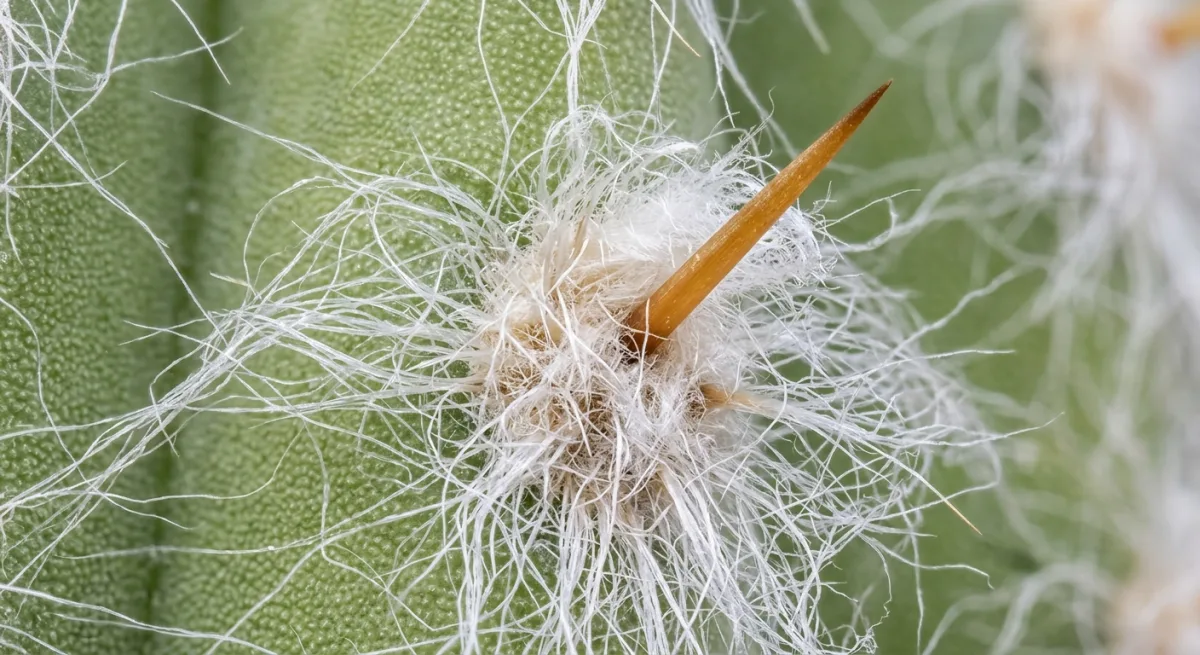
To grasp the physiological requirements of the genus Espostoa (most notably Espostoa lanata and Espostoa melanostele), we must closely examine its modified epidermal hairs, known botanically as trichomes. Arising from the areoles alongside sharp central spines (which are modified leaves), these white filaments are hollow, dead cellulose fibers. Functioning as a high-albedo reflective shield, they deflect intense solar irradiance and maintain the cactus stem surface 4°C to 7°C cooler than the ambient air. This evolutionary marvel prevents excessive water loss via cellular transpiration.
Like many extreme desert dwellers, Espostoa utilizes Crassulacean Acid Metabolism (CAM). The plant keeps its stomata sealed tight throughout blazing daylight hours to reduce moisture loss to zero, opening them only during cool night hours to absorb carbon dioxide and store it as malic acid. Its subterranean root architecture consists of a woody central anchor paired with an extensive, shallow fibrous network engineered to exploit fleeting rainfall in rocky mineral fissures. In a container environment, these delicate feeder roots are exceptionally vulnerable to prolonged moisture and anaerobic (oxygen-deprived) conditions. When potting substrate lacks porosity, root cells suffocate rapidly, triggering terminal root rot.
2. Accurate Diagnosis and Signs of Distress
Because Espostoa wears such a dense, opaque coat of wool, it disguises internal stress far longer than smooth-skinned cacti. By the time the outer surface turns dark, fungal rot may have already decimated the vascular cambium (xylem and phloem). Keen, proactive observation is paramount:
- Insufficient Light (Etiolation): Noticeable narrowing at the apical growing tip, thinning or sparser wool production, and pale lime-green growth. The stem stretches desperately for light, compromising cellular wall integrity.
- Root Suffocation and Overwatering: A spongy, waterlogged softness at the soil line, yellowing or browning wool near the base, accompanied by a faint fermented, sour odor from the root ball.
- Chronic Dehydration: Deepening of the vertical stem ribs, drawing them tightly together, accompanied by a slight loss of turgor and minor stem shrinkage. When internal CAM water reservoirs deplete, stem parenchyma cells deflate.
- Fungal Infection: Rust-colored or black spots visible beneath the white fleece, most commonly caused by overhead watering that lodges moisture directly onto the apical growth crown.
3. Step-by-Step Implementation Protocol
To nurture a vigorous, rot-free Espostoa cactus indoors or in an arid landscape, follow this 4-step physiological protocol faithfully:
- Acclimatization to Full Sun: Commercially grown nursery specimens are typically accustomed to filtered greenhouse light. Before placing your cactus under full, blazing sun, acclimate it gradually over 10 to 14 days, starting with gentle morning rays. Your ultimate goal is at least 5 to 6 hours of direct, unfiltered sunlight daily. Densely packed, snow-white wool develops exclusively in response to high-intensity light levels.
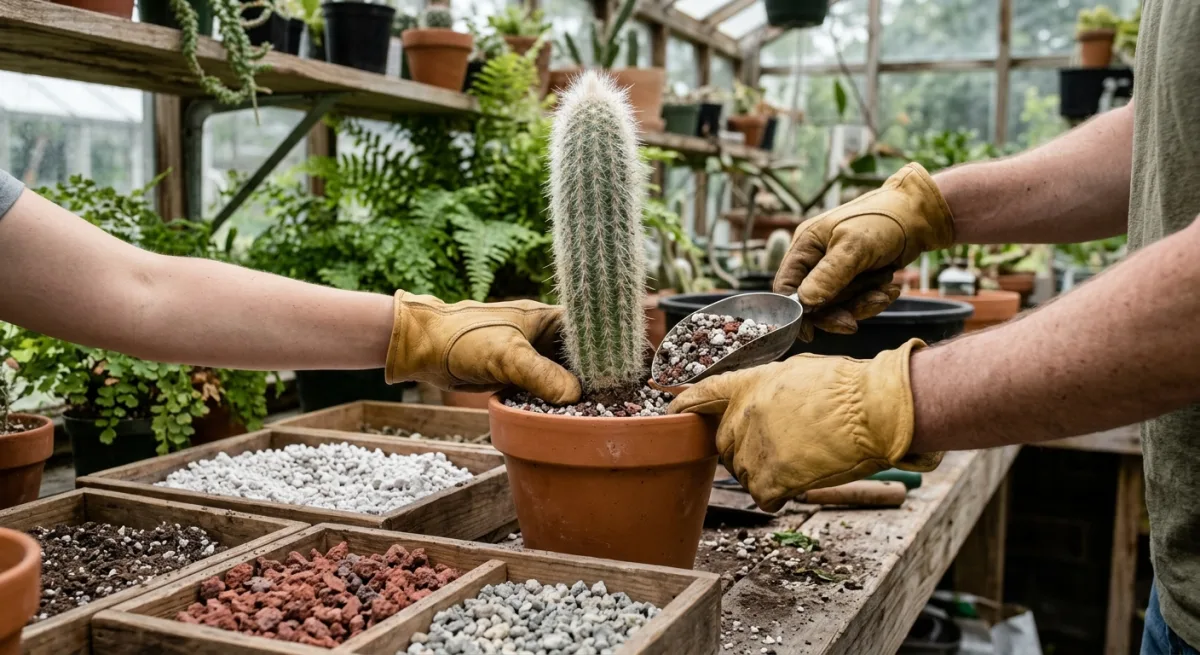
- Breathable Container Selection: Plastic and glazed ceramic pots seal in moisture and stifle root respiration. Espostoa roots demand constant gas exchange; choose an unglazed terracotta pot equipped with generous drainage holes. The container should only be 3 to 4 cm wider than the diameter of the cactus stem. Excessively large pots create lingering subterranean mud zones.
- Scientific Soak-and-Dry Hydration: Adhere strictly to the 'soak-and-complete-dry' cycle. Use room-temperature, low-mineral or rainwater. Never pour water overhead directly onto the woolly apex. Apply moisture evenly around the base onto the mineral substrate, or utilize bottom-watering by placing the pot in a shallow reservoir for 15 minutes to allow capillary uptake. Always discard any drainage runoff standing in saucers.
- Winter Dormancy Protocol: A distinct winter rest period is vital for tissue hardening, seasonal flowering, and dense trichome renewal in spring. From November through late February, transfer the cactus to a bright, cool spot maintained between 8°C and 12°C (46°F - 54°F). Cease routine watering completely; depending on indoor relative humidity, one or two minimal moisture sips across the entire winter season are more than sufficient.
4. Essential Equipment, Materials & Metrics
Espostoa roots quickly perish in dense, organic peat-based potting soils. The root zone demands an open, rapidly draining mineral aggregate. Formulate your substrate using the precise components and ratios outlined below:
| Component / Parameter | Recommended Ratio / Metric | Physiological Function |
|---|---|---|
| Pumice (3-6 mm) | 40% | Guarantees permanent macroporosity and vital root-zone oxygenation. |
| Lava Grit / Zeolite | 25% | Enhances cation-exchange capacity (CEC) and releases trace micronutrients. |
| Coarse River Sand / Quartz Grit | 15% | Prevents substrate compaction and anchors delicate root hairs. |
| Screened Coco Coir | 20% | Binds the mineral aggregate loosely without retaining excessive moisture. |
| Substrate pH | 6.0 - 6.8 | Slightly acidic optimum range for efficient iron and phosphorus uptake. |
| Ambient Temp (Active Season) | 22°C - 32°C (72°F - 90°F) | Supports peak CAM photosynthesis and robust cuticle formation. |
| Ambient Temp (Dormancy) | 8°C - 12°C (46°F - 54°F) | Induces cellular rest, preventing unsightly winter etiolation. |
5. Five Common Mistakes & Rescue Strategies
- Mistake 1: Overhead Misting or Spraying: The fleece absorbs moisture like a sponge, staying damp for days and inducing areolar fungal rot. Rescue: Immediately move the plant to a spot with vigorous airflow. Use a small electric fan on low to evaporate trapped moisture from the wool. Keep it out of direct scorching sun while damp to prevent lens-effect blistering.
- Mistake 2: Standard Peat-Based Potting Soil: Commercial peat turns hydrophobic when dry, then stays waterlogged for weeks once soaked, suffocating root tissue. Rescue: Unpot the cactus immediately. Gently rinse away all clinging peat from the root system. Allow the bare roots to air-dry for 48 hours in the shade, then repot into the mineral-rich gritty blend specified above.
- Mistake 3: Heavy Watering in Low-Light Settings: Without intense light, photosynthesis stalls and water uptake drops to near zero, yet the substrate remains saturated. Rescue: Stop watering at once. Move the cactus gradually to your brightest south- or west-facing window, resuming light waterings only after the soil has completely dried out.
- Mistake 4: Warm Winter Living Rooms with Regular Watering: Keeping an Espostoa near a radiator in winter forces active growth without sufficient seasonal sunlight, producing weak, bald, misshapen elongation. Rescue: Relocate the plant to a bright, cool, unheated room, suspend watering, and allow it to enter restorative dormancy until spring.
- Mistake 5: Failing to Catch Basal Rot Early: When the bottom of the stem turns soft and brown, standard fungicides cannot save it. Rescue (Radical Surgery): Using a sterilized blade, slice the healthy green top cleanly above the rot, inspecting the vascular core to ensure no discolored brown rings remain. Dust the fresh cut with powdered sulfur or rooting hormone. Let the cutting callous in a dry, shaded location for 2 to 3 weeks, then set it atop dry pumice until new adventitious roots emerge.
6. Seasonal Calendar & Long-Term Milestones
Cultivating an Espostoa is a rewarding, lifelong botanical journey; in their native Andean habitat, mature specimens can survive for well over a century, attaining heights of 4 to 5 meters. Synchronizing care with the plant's seasonal cycle ensures lasting vigor:
- Spring (March - May): Cellular awakening. Provide the season's first thorough watering once ambient temperatures climb. Bright new white wool erupts from the apical meristem. Apply a low-nitrogen, high-potassium cactus fertilizer diluted to quarter-strength once monthly.
- Summer (June - August): Peak vegetative growth. Water thoroughly each time the potting mix dries down completely. Ensure abundant air movement; stagnant air in stuffy rooms invites opportunistic mealybug (Pseudococcidae) infestations.
- Autumn (September - October): Gradual slowdown. Widen intervals between waterings and discontinue fertilization entirely. Cooler nights signal the cactus to thicken its cellular walls and prepare for winter resting.
- Winter (November - February): Full dormancy. Maintain cold, dry conditions with zero or minimal moisture to keep metabolic rates low. Without this seasonal chill, mature specimens (typically after 15 to 20 years) will never form their distinctive, specialized lateral woolly cushion—the cephalium—from which nocturnal, creamy-white blossoms appear.


Reader Reviews & Comments 3 Reviews
David Miller
Julian Vance
Emma Watson
Leave a Review & Rating
Share your plant care tips, experiences, or questions with our succulent community.