






Hylotelephium cauticola (formerly known as Sedum cauticolum), widely recognized as the 'Cliff Stonecrop', is an extraordinary member of the Crassulaceae family native to the steep volcanic slopes and sheer rock crevices of Japan. This resilient alpine succulent exhibits immense drought tolerance thanks to its Crassulacean Acid Metabolism (CAM) and a protective epicuticular farina wax coating its foliage. However, when the continuous air currents and ultra-draining mineral scree of its natural habitat are not replicated in home settings or garden containers, the plant swiftly becomes susceptible to pathogenic invasions.
The most devastating pathogens encountered in cliff stonecrop cultivation typically stem from excessive water retention and inadequate gas diffusion. When oxygen levels in the substrate plummet (anoxia), adenosine triphosphate (ATP) synthesis in root cell membranes ceases; this condition induces cellular lysis and allows phytopathogenic oomycetes such as Phytophthora, Pythium, and Fusarium oxysporum to overrun the root cortex. Simultaneously, a compromised immune barrier creates an opportunistic feeding ground for sap-sucking pests such as mealybugs (Pseudococcidae) and spider mites (Tetranychidae). In this guide, we break down the pathological diagnostic signs and curative protocols required to restore the cellular vigor of your Hylotelephium cauticola.
1. Early Diagnostic Signs and Microscopic / Visual Cues
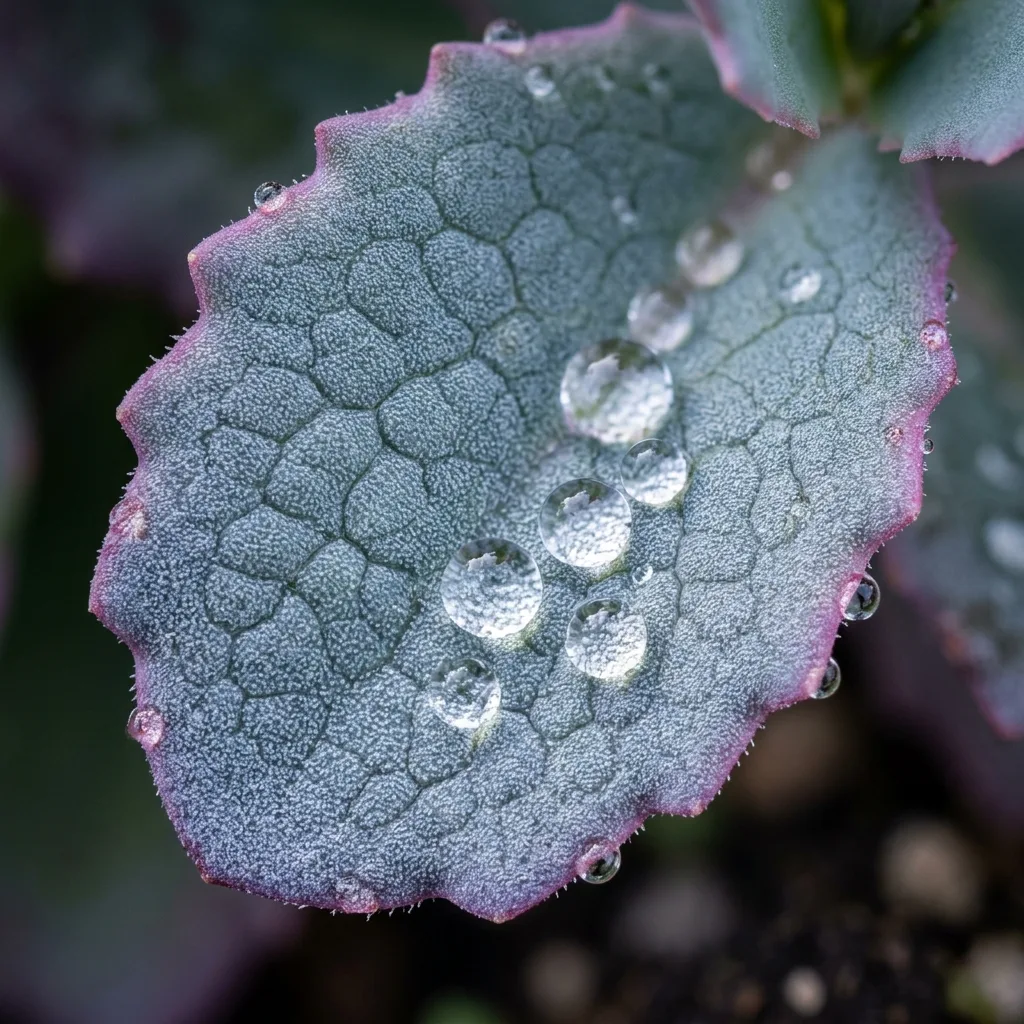
Before physiological collapse manifests completely in Hylotelephium cauticola, the plant issues early warning signals at the cellular level. The earliest symptom to monitor is the disruption of turgor pressure within the water-storing mesophyll parenchyma cells. In a healthy specimen, the leaves display a plump, glaucous blue-grey hue with delicate purplish margins; under pathogenic duress, they take on a yellowish-translucent cast and degenerate into a spongy, waterlogged texture.
Microscopic inspections and close-up examinations should focus on the following key indicators:
- Degradation of the Farina Layer: Localized dissolution or staining of the waxy epicuticular layer—which shields the leaf from UV radiation and excessive transpiration—serves as definitive evidence that fungal spores (such as Botrytis cinerea) have punctured the cuticle.
- Stem Base Necrosis: Water-soaked brown to black lesions around the hypocotyl zone where the stem interfaces with the rhizome indicate occluded vascular bundles (xylem and phloem) and advancing systemic root rot.
- Pest Indicators: Cottony white filaments tucked into leaf axils signify mealybug colonization (Pseudococcus viburni); stippling, bronzing on leaf undersides, and fine microscopic webs confirm two-spotted spider mites (Tetranychus urticae).
- Etiolation and Fragility: Abnormal elongation of internodes combined with lax, drooping stems resulting from depressed photosynthetic efficiency and compromised root absorption.
2. Root Causes and Environmental Triggers
The primary driver behind pathological disorders in cliff stonecrop is a fundamental mismatch with its biomechanical and physiological requirements. This species evolved exclusively in subalpine rocky crevices and talus slopes containing less than 5% organic matter, thrives amid pumice and volcanic lava shards, and requires rapid moisture evacuation.
The predominant environmental catalysts triggering decline include:
- Radial Oxygen Loss and Root Asphyxiation: When dense peat moss or heavy clay garden soils are utilized, soil pores stay saturated, driving root zone gas diffusion to zero. Incapable of aerobic respiration, root cells perish and release cellular exudates that actively attract saprophytic and parasitic fungi.
- CAM Pathway Imbalance: The plant keeps stomata sealed during peak daylight hours and fixes CO2 nocturnally by synthesizing malic acid. If night temperatures remain excessively warm and humid, stomata fail to open properly, acid decarboxylation stalls, and internal pH dysregulation triggers soft tissue breakdown.
- Stagnant Boundary Air Layers: Lingering surface moisture creates the ideal microclimate for pathogenic spore germination. Hylotelephium cauticola demands persistent, gentle air movement to dry foliar crevices.
3. Natural and Organic Control Methods
In the early stages of an infestation or minor fungal outbreaks, it is entirely possible to disrupt pathogen pressure without upsetting ecological equilibrium. Biological and mechanical protocols applied prior to chemical treatments help fortify the natural structural integrity of the plant tissue.
For minor mealybug outbreaks, perform mechanical eradication using cotton swabs dipped in 70% isopropyl alcohol. The alcohol dissolves the protective waxy exoskeleton of the insect, causing rapid dehydration, and when applied spot-by-spot, it preserves the broader farina layer. For broader infestations of aphids or spider mites, prepare an emulsion of cold-pressed pure neem oil (rich in Azadirachtin) combined with potassium silicate horticultural soap. Neem oil disrupts pest life cycles by inhibiting the insect molting hormone ecdysone.
Against soil-borne fungal pathogens in their incipient phase, introduce beneficial mycorrhizal inoculants and biological biofungicides containing Trichoderma harzianum. These beneficial microflora aggressively colonize the rhizoplane, preventing pathogenic fungi from securing foothold sites through competitive exclusion.
4. Chemical and Systemic Treatment Protocols
When fungal pathogens penetrate the vascular system or pest populations exceed the threshold manageable by cultural controls, targeted chemical intervention becomes mandatory. To suppress the development of chemical resistance, rotate active ingredients according to the structured protocol below.
| Pathogen / Pest | Active Ingredient | Concentration (Per Liter) | Application Mode and Frequency |
|---|---|---|---|
| Root & Stem Rot (Phytophthora / Pythium) | Fosetyl-Al or Metalaxyl-M | 2.0 g / L | Substrate drench, 2 applications spaced 14 days apart |
| Powdery Mildew & Leaf Spots (Botrytis) | Difenoconazole or Azoxystrobin | 0.5 ml / L | Foliar spray, 2 applications spaced 10 days apart |
| Mealybugs (Pseudococcidae) | Acetamiprid or Flupyradifurone | 0.4 g / L or 0.7 ml / L | Systemic foliar + soil drench, 2 doses 14 days apart |
| Spider Mites (Tetranychidae) | Abamectin or Spiromesifen | 0.5 ml / L | Thorough foliar underside spray, 3 rounds 7 days apart |
Systemic insecticides travel acropetally through the xylem to the outermost plant margins, neutralizing sap-feeding insects via neurotoxic disruption. When administering systemic fungicides, apply them during periods of active vegetative growth; avoid chemical overloads while the plant is in deep winter dormancy.

5. Quarantine and Disinfection Procedures
Any Hylotelephium cauticola exhibiting disease symptoms must be immediately isolated at least 2 to 3 meters away from your primary succulent and rock garden collection in a well-ventilated quarantine zone. Water splash, tools, and gentle drafts can effortlessly vector fungal spores and microscopic pests.
- Container and Tool Sanitization: Soak the infected pot and drainage tray in a 10% sodium hypochlorite (household bleach) solution for 20 minutes, followed by a thorough clear-water rinse. Discard the old substrate completely inside a sealed disposal bag; never compost or reuse it.
- Surgical Debridement: Using a surgical scalpel sterilized with an open flame or wiped down with 96% ethyl alcohol, excise all blackened, softened, or water-soaked root and stem segments until clean, white, uninfected parenchyma tissue is exposed.
- Wound Sealing and Suberization: Dust the fresh cut margins with micronized elemental sulfur or powdered cinnamon. Place the plant in a dry, shaded, well-ventilated area for 48 to 72 hours to allow a protective suberin callus to develop. Potting cutting material without a healed callus invites immediate reinfection.
6. Plant Rehabilitation and Recovery Care
Nursing a surgically pruned and chemically treated Hylotelephium cauticola back to vigor requires precise moisture and light management while its root system regenerates and cellular turgor stabilizes.
The recovery potting mix must feature an overwhelmingly inorganic matrix: 40% horticultural pumice, 20% volcanic red lava rock, 20% coarse granite grit or washed river sand, and no more than 20% screened, high-grade coco coir. Choose unglazed, breathable terracotta pots or perforated alpine pots over glazed ceramic or plastic containers to ensure optimal vapor transpiration through the pot walls.
Once the callused plant is positioned in the dry substrate, do not water it for the first 5 to 7 days. Initiate irrigation with a light bottom watering just sufficient to introduce ambient moisture to the root crown, avoiding deep soakings until new apical growth and firming foliage demonstrate restored root function. Throughout this rehabilitation phase, shelter the specimen from intense, scorching midday sun, providing bright, filtered indirect light and ample ambient air circulation.


Reader Reviews & Comments 3 Reviews
Julian Vance
Clara Sterling
Marcus Thorne
Leave a Review & Rating
Share your plant care tips, experiences, or questions with our succulent community.