Troubleshooting & Pests

How to Prepare Plants for Winter: Winter Shelter Setup, Frost Damage & Rot Recovery Guide

As winter cold snaps approach, discover the botanical science behind plant winterization. Master protective micro-greenhouse insulation, dormancy physiology, cellular frost mitigation, and proven methods to rescue cold-damaged succulent roots from fungal rot.

Rıfat Özkan
Rıfat Özkan Fact-Checked This guide has been reviewed and verified according to scientific botanical literature and succulent research standards. ⚠️ Toxic to Pets This plant contains toxic sap/compounds. Keep out of reach of cats and dogs. Kedi ve köpeklerde mide bulantısı ve halsizlik yaratır
Plant Care Specialist
14 Nov 2026 • 8 min read
Share: Pinterest
📌

Key Takeaways & Quick Summary

Key Takeaways
  • 🌿 As winter cold snaps approach, discover the botanical science behind plant winterization.
  • 💡 Master protective micro-greenhouse insulation, dormancy physiology, cellular frost mitigation, and proven methods to rescue cold-damaged succulent roots from fungal rot.
  • 🌱 100% field-tested for beginners, hobbyists, and plant collectors alike.
Save How to Prepare Plants for Winter: Winter Shelter Setup, Frost Damage & Rot Recovery Guide
How to Prepare Plants for Winter: Winter Shelter Setup, Frost Damage & Rot Recovery Guide
Advertisement

As crisp autumn breezes give way to freezing winter nights, plants on our balconies, patios, and hobby greenhouses undergo a quiet yet vital biochemical transformation. In their native habitats—whether perched on the arid, rocky screes of the Mexican highlands or braving the rainy winter plains of the Mediterranean—plants confront plunging temperatures by fortifying cell walls and elevating the concentration of dissolved sugars within their cytoplasm. However, when we fail to establish adequate physical protection in our urban homes and collection shelters, cellular water freezes and expands into razor-sharp ice crystals that slice through plant tissue. This cellular lysis is the number one cause of winter plant fatalities.

The frequent search for practical winter plant shelters and overwintering strategies stems from the urgent need to manage this delicate seasonal shift. Winterizing delicate specimens like the Jade Plant (Crassula ovata), Zebra Haworthia (Haworthiopsis fasciata), and tender potted houseplants is not just a matter of hauling pots indoors. It demands constructing an effective winter shelter—be it a compact balcony greenhouse, a low cold frame, or an insulated sunroom—regulating the microclimate, and priming plant tissue against frost shock. Saturating succulents and sensitive ornamentals during winter cold is not an act of care; it suffocates dormant root systems in icy, anaerobic mud.

Advertisement

1. Early Diagnostic Signs and Microscopic / Visual Clues

Cold stress and improper winter sheltering manifest across several distinct physiological stages. When inspecting your plants in winter shelters or indoor holding areas, look out for the following critical symptoms:

  • Intracellular Frost Rupture (Cellular Lysis): Leaves suddenly turn dark green, water-soaked, and translucent or jelly-like. This is an indisputable sign that crystalline ice has pierced the cell walls and tonoplast membranes.
  • Epidermal Shriveling and Chlorophyll Breakdown: When temperatures hover just above freezing, leaves exhibit sudden yellowing followed by dry, necrotic brown blotches. The protective epicuticular wax layer (farina) can also degrade rapidly under cold, stagnant moisture.
  • Basal Stem Softening (Cold-Induced Crown Rot): Succulents exposed to temperatures below 5°C (41°F) in wet soil exhibit brown discoloration and moisture accumulation at the root collar. The stem feels spongy and hollow when compressed gently between your fingers.
  • Microscopic Vascular Inspection: Under a hand lens or field microscope, affected cells display severe plasmolysis, stomata lock shut from cold shock, and the vascular bundles (xylem and phloem) exhibit dark brown obstructions where sap flow has permanently ceased.
Critical Warning: If you spot a frostbitten, translucent leaf, never move the plant directly into a heated room or next to a radiator! Rapid thermal shifts cause damaged cell walls to collapse catastrophically. The thawing process must occur gradually within a cool 5–8°C (41–46°F) buffer zone.

2. Root Causes and Environmental Triggers

Winter decay and dieback in container plants stem from three interconnected cultural errors: an inappropriate irrigation regime, uninsulated winter shelters, and severe light deprivation.

As day length shortens in late autumn, the plant downregulates the active growth hormone auxin while abscisic acid (ABA) surges, ushering the plant into physiological dormancy (winter rest). In this state, transpiration drops by up to 80%. If the grower maintains summer watering habits, the potting medium remains saturated for weeks. In cold conditions, this stagnant, waterlogged root zone becomes a thriving haven for opportunistic fungal pathogens like Pythium ultimum and Fusarium oxysporum.

Furthermore, hobbyist winter shelters—such as unventilated polycarbonate mini-greenhouses or plastic-covered shelving units—can warm up drastically under direct daytime sun, only to plunge below freezing at night. This extreme diurnal temperature swing depletes the plant's reserves of endogenous cryoprotectants (such as free proline and soluble sugars), leaving tissues defenseless against sudden freezing.
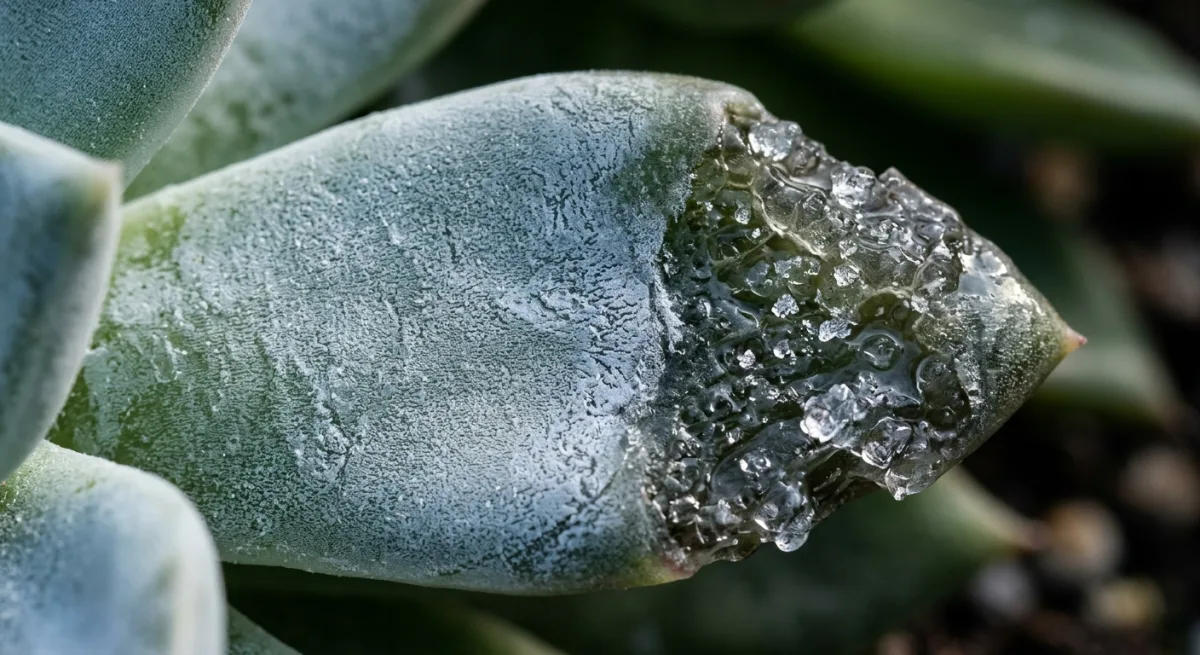
How to Prepare Plants for Winter: Winter Shelter Setup, Frost Damage & Rot Recovery Guide - Botanical Detail and Leaf Morphology
🔍 Botanical Detail: Characteristic leaf form, surface texture, and morphological features.
Advertisement

3. Natural and Organic Defense Methods

Before relying on synthetic chemicals, there are powerful organic strategies and physical interventions to employ in your winter shelter and living spaces:

  • Substrate Desiccation and Dry Dormancy: Gradually taper off watering as autumn wanes. Most desert cacti and succulent genera (especially Echeveria, Crassula, and Mammillaria) require virtually zero water from late October until early March. Dehydrated plant tissues boast higher osmotic solute concentrations and are substantially less prone to freezing.
  • Cellular Fortification with Potassium Silicate: During your final autumn watering, apply liquid potassium silicate (1 ml/L) or cold-pressed kelp meal extract. Potassium optimizes cell sap osmotic pressure to depress the freezing point, while silica integrates into epidermal cell walls, acting like an internal suit of armor.
  • Breathable Agro-Textile Insulation: Drape a 30–50 g/m² non-woven frost fleece (horticultural fleece) over your plant shelves, ensuring the fabric does not press directly against wet foliage. This breathable barrier creates a microclimate that typically maintains ambient temperatures 3–5°C higher than the surrounding outdoor air, breaking the critical frost threshold.
  • Passive Thermal Mass Integration: Place dark-colored containers or jugs filled with water inside the corners of your mini-greenhouse or balcony enclosure. Water absorbs radiant heat during the day and gradually releases it throughout the night, buffering against sudden sub-zero thermal dips.
Master Botanist Tip: Never prune succulents or ornamentals in late autumn or winter! Pruning triggers growth signals and vegetative wound responses. The resulting soft, succulent new growth will freeze at the first frost, creating a direct entry point for systemic rot.

4. Chemical and Systemic Treatment Protocols

When high relative humidity and low temperatures converge inside closed winter shelters, Botrytis cinerea (gray mold) and basal stem rot can spread swiftly. Implement the following preventative and curative fungicide protocol before and during the cold period:

Active IngredientTarget Pathogen / PurposeDosage (Per Liter)Timing and Application Interval
Copper Oxychloride (50% WP)Pre-winter surface sanitation, bacterial leaf spot2 - 3 g / LSingle preventative foliar misting in late autumn
Propamocarb HydrochlorideRoot and crown rot (Pythium, Phytophthora)1.5 ml / LApplied as the final autumn soil drench before cold dormancy
Fenhexamid or IprodioneGray Mold (Botrytis cinerea)1 - 1.5 g / LFoliar spray at the first sign of lesions in closed shelters; repeat in 14 days if needed
Elemental Sulfur (Dust or SC)Wound sealing and fungal spore inhibition2 g / L or dry powderDusted directly onto freshly cut, frost-damaged stem tissue
How to Prepare Plants for Winter: Winter Shelter Setup, Frost Damage & Rot Recovery Guide - Care and Propagation Step
🌱 Care in Action: Healthy root development, repotting, and propagation steps.
Advertisement

5. Quarantine and Disinfection Steps

Plants brought indoors or grouped into dense winter shelters after a summer outdoors must pass through a strict sanitization protocol to protect your broader collection:

  1. Foliage and Pot Washing: One week before moving plants indoors, wash the undersides of the leaves and outer pot rims with a gentle insecticidal soap or diluted castile soap spray to eliminate lingering spider mites, scale crawlers, and mealybug egg sacs.
  2. Quarantine Staging: Never place outdoor plants directly into your primary indoor plant room. Keep them isolated for 10–14 days in a bright, well-ventilated staging area to monitor for latent pest outbreaks or fungal spores.
  3. Shelter Surface Sanitation: Wipe down greenhouse staging, balcony shelving, and window ledges with a 10% bleach solution or 3% hydrogen peroxide to eradicate overwintering fungal spores and bacterial residues.
  4. Forced Micro-Air Circulation: Stagnant air inside enclosed winter shelters is the primary catalyst for mold. Installing a compact 12V brushless computer fan keeps air gently moving, preventing condensation from settling on cold leaf surfaces.

6. Plant Rehabilitation and Post-Damage Recovery Care

If a prized succulent has suffered cold damage or wet rot, do not despair or discard it prematurely. Follow these precise botanical rescue steps:

First, inspect the damage to demarcate healthy tissue from necrosed tissue. Using a sterilized scalpel, excise all gelatinous, blackened, or water-soaked sections until you reach crisp, pale green, healthy vascular tissue. Dust the cut wound with activated charcoal powder or pharmaceutical-grade ground cinnamon, and allow the plant to callous undisturbed for 5 to 7 days in a dry room at roughly 15°C (59°F). If root rot has set in, unpot the specimen entirely, excise all mushy brown root fibers, and rest the healthy stem base on dry, purely inorganic substrate (pumice, perlite, and crushed volcanic lava rock) to stimulate adventitious root development.

Throughout the rehabilitation period, never apply fertilizers or growth stimulants. Fertilizer salts chemically scorch stressed, non-functional root tips that cannot absorb water. Withhold all irrigation until the warm days of early spring arrive and you observe fresh, active growth at the central meristem.

Save on Pinterest

Follow us on Pinterest for daily succulent inspiration and plant care hacks.

Save
🎮

Mini Botanical Quiz: Test Your Knowledge!

Answer 3 quick questions to reinforce what you learned in this guide:

1

What plant organ did cactus spines actually evolve from?

2

What is the number one cause of root rot in succulents and cacti?

3

What is the term for a succulent stretching tall and thin due to insufficient sunlight?

Frequently Asked Questions

Begin preparations when nighttime temperatures consistently settle around 8–10°C (46–50°F). Plants must be relocated into protective winter quarters before night readings plunge below 5°C (41°F). Cold-hardy genera like Sempervivum (Hens and Chicks) and hardy Sedum species can endure sub-zero conditions outdoors, but tender favorites such as Echeveria, Crassula (Jade Plants), and Haworthia must be shielded from frost.
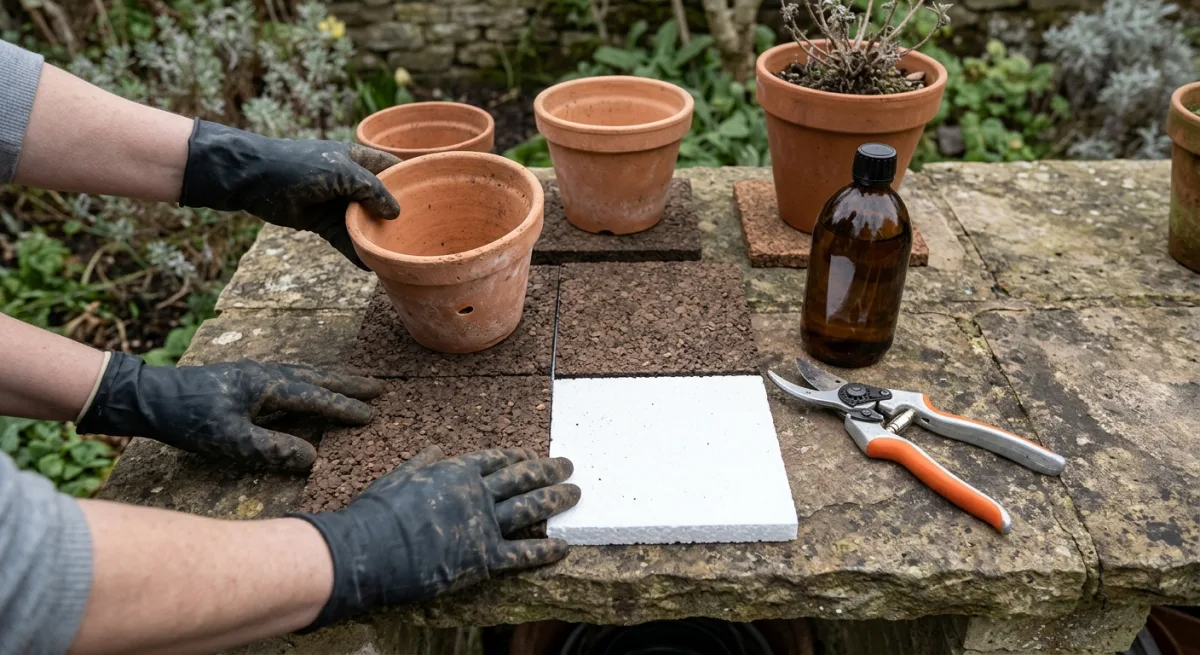
To build an effective balcony shelter, never let pots sit directly on freezing concrete or tile floors; elevate them on wooden pallets or thick styrofoam boards. Wrap your plant stands or shelving units with double-layered horticultural frost fleece or UV-stabilized greenhouse film. On bright, sunny winter days, open a ventilation flap to release trapped condensation, and seal it securely before dusk.
Central heating drops indoor relative humidity to desert-dry levels of 20–30%, causing topsoil to dry quickly. However, because succulents are in their low-light winter dormancy, watering too frequently will rot their roots. Never water until the top two-thirds of the potting mix is completely dry. Keep plants at least 1.5 to 2 meters away from radiators, positioned in your brightest window.
If the leaf has turned completely translucent, mushy, and water-soaked, remove it immediately using sterile forceps to prevent bacterial soft rot from migrating down into the central stem. However, if the leaf only shows minor tip-shriveling or dry browning, leave it intact; the plant will naturally reabsorb remaining mobile nutrients and discard the leaf on its own.
No, never fertilize dormant plants in winter. During this low-light period, plants exhibit minimal photosynthetic activity and cannot utilize added nitrogen and minerals. Fertilizer salts will accumulate in the soil, chemically scorching delicate feeder roots and triggering rapid root rot. Save all feeding for the resumption of vigorous spring growth.
Advertisement
Rıfat Özkan
Content Specialist & Author Plant Care Specialist

Rıfat Özkan

Botanical researcher and succulent enthusiast crafting science-backed, practical care and propagation guides to help your indoor plants thrive.

🧭 Keep Learning • Troubleshooting & Pests

Miniature Desert Rose (Trichodiadema densum): Rot, Fungal Disease, and Complete Rescue Guide

Native to the arid Karoo plateau of South Africa, the Miniature Desert Rose (Trichodiadema densum) charms succulent lovers with crown-like bristles at leaf tips and a sculpted, woody caudex. However, dense foliage cushions and overwatering frequently induce crown rot and fungal outbreaks. This comprehensive botanical guide details scientific and hands-on methods to halt rot and revive your plant.

Reader Reviews & Comments

Reader Reviews & Comments 3 Reviews

4.7
★ ★ ★ ★ ★
Average Rating
Eleanor Vance 🌱

Eleanor Vance

Verified Reader
★ ★ ★ ★ ★
The section explaining cellular lysis from ice crystal expansion completely changed how I look at winter protection. I used to rush frozen succulents right in front of my radiator, only to watch them turn to mush hours later. The 5–8°C buffer rule saved my rare Echeveria collection during our first freeze!
Marcus Sterling 🌱

Marcus Sterling

Verified Reader
★ ★ ★ ★ ★
Outstanding technical depth. Setting up black water jugs inside my unheated balcony shelf kept the microclimate a steady 4 degrees warmer than the freezing outdoor air last night. Truly professional advice for serious collectors.
Chloe Bennett 🌱

Chloe Bennett

Verified Reader
★ ★ ★ ★ ★
The preventative fungicide table and potassium silicate tip before dormancy were incredibly helpful. I followed the root excision instructions on a cold-damaged Jade Plant and dusted the stem with sulfur—calloused beautifully and ready for spring.
Continue Reading

Leave a Review & Rating

Share your plant care tips, experiences, or questions with our succulent community.

5 / 5 - Excellent!
Bot Verification Question

🌵 2 cacti + 4 succulents = how many plants? (number)

Continue Reading

Related Articles

Miniature Desert Rose (Trichodiadema densum): Rot, Fungal Disease, and Complete Rescue Guide Troubleshooting & Pests 8 min read
08 Nov 2026 • Rıfat Özkan Rıfat Özkan

Miniature Desert Rose (Trichodiadema densum): Rot, Fungal Disease, and Complete Rescue Guide

Native to the arid Karoo plateau of South Africa, the Miniature Desert Rose (Trichodiadema densum) charms succulent lovers with crown-like bristles at leaf tips and a sculpted, woody caudex. However, dense foliage cushions and overwatering frequently induce crown rot and fungal outbreaks. This comprehensive botanical guide details scientific and hands-on methods to halt rot and revive your plant.

Cobweb Houseleek (Sempervivum arachnoideum subsp. tomentosum): Rot, Fungus & Pest Revival Guide Troubleshooting & Pests 9 min read
07 Nov 2026 • Rıfat Özkan Rıfat Özkan

Cobweb Houseleek (Sempervivum arachnoideum subsp. tomentosum): Rot, Fungus & Pest Revival Guide

The Cobweb Houseleek (Sempervivum arachnoideum subsp. tomentosum) is among nature's hardiest alpine succulents, sheltered by a dense web of woolly trichomes. However, this intricate silken coating can trap excess moisture, turning into a fatal breeding ground for fungal pathogens and mealybugs. In this comprehensive rescue guide, discover scientific botanical interventions to cure root rot, eliminate hidden pests, and successfully rehabilitate your prized houseleek.

Living Stone Plant (Dinteranthus microspermus) Diseases: Leaf Splitting, Root Rot & Rescue Guide Troubleshooting & Pests 11 min read
03 Nov 2026 • Rıfat Özkan Rıfat Özkan

Living Stone Plant (Dinteranthus microspermus) Diseases: Leaf Splitting, Root Rot & Rescue Guide

Resembling delicate quartzite pebbles, Dinteranthus microspermus succulents are highly vulnerable to epidermal cracking, hypocotyl rot, and fungal collapse under improper cultivation. Learn the physiological causes behind cellular bursting and master step-by-step horticultural rescue protocols to bring your living stone back to life.

Advertisement
Member Member Member Rıfat Özkan
Growing Together with 12,000+ Plant Lovers

Weekly Succulent Newsletter

Receive expert plant tips, watering schedules, and rare species care straight to your inbox.

🔒 Zero Spam • Once weekly digest • Unsubscribe with one click anytime.

🌱
Botanical Tip of the Day Verified Botanical Fact

Opt for porous terracotta pots with drainage holes to keep root balls cool and well-aerated. 🪴