






Spanning from the sweeping plains of North America to sun-drenched Mediterranean terraces, Helianthus annuus stands as one of the most magnificent agricultural and morphological wonders in human history. Traditionally cultivated for oil extraction and dried seed production, this towering composite flower head has ignited a botanical revolution across the culinary landscape: grilled sunflower heads. Harvested precisely post-anthesis before the pericarp lignifies—during the elusive 'milk stage'—the fresh sunflower receptacle transforms over open coals into a tender, nutty, and earthy culinary centerpiece remarkably reminiscent of grilled artichoke hearts.
At what exact phenological stage should you sever the blooming head you have carefully nurtured on your terrace or arid garden plot? How can a dedicated succulent enthusiast seamlessly integrate this heavy-feeding annual into a xeriscape design, and how does one prep this colossal capitulum with culinary finesse? As your resident botanist and horticulturist companion, I invite you to explore the scientific principles and practical secrets that take this plant from mineral-rich substrate to cast-iron perfection.
1. Botanical Identity and Morphological Anatomy
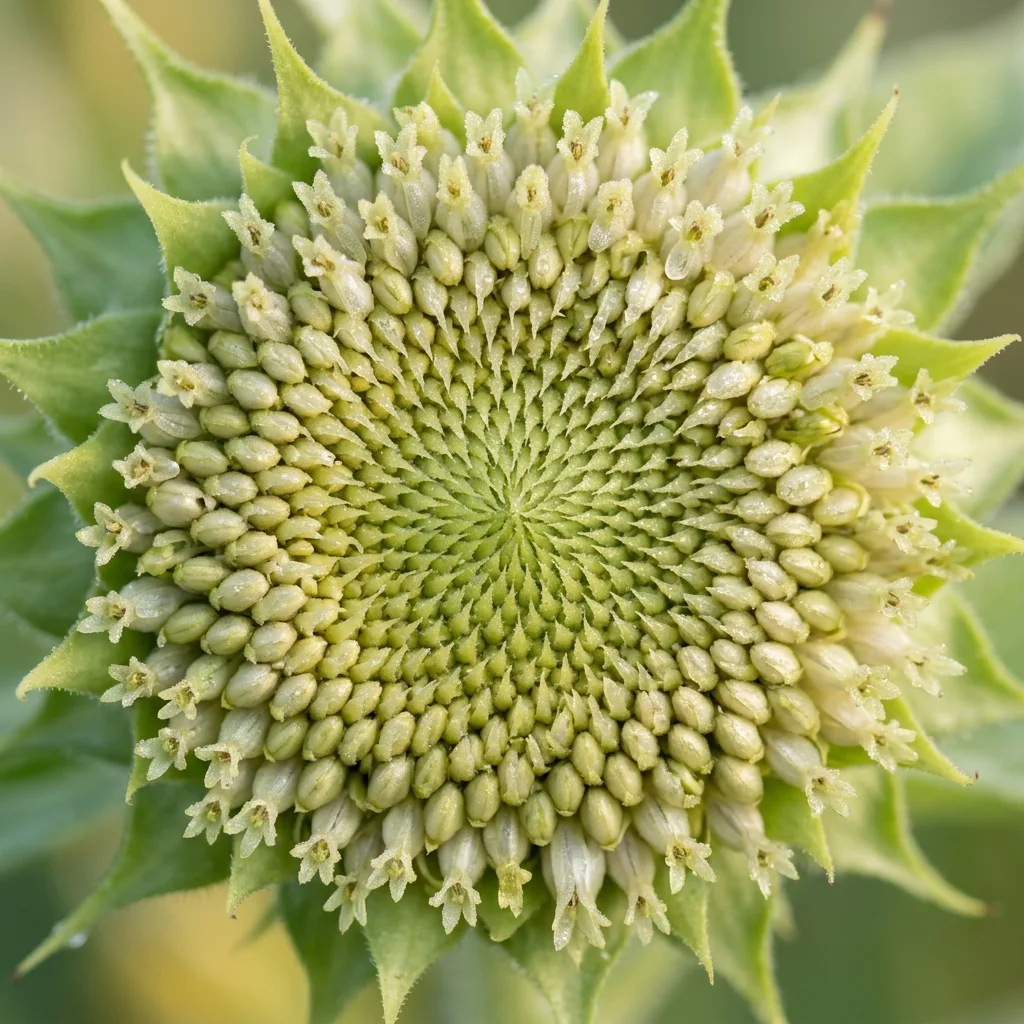
The common sunflower (Helianthus annuus) is a classic, robust member of the family Asteraceae. Contrary to widespread perception, a sunflower head is not a solitary flower, but a pseudanthium (false flower)—an intricate inflorescence composed of thousands of individual florets organized on an expanded, fleshy receptacle known as the capitulum. The vivid outer perimeter comprises sterile ray florets designed exclusively to lure insect pollinators, while the vast central disc consists of hundreds or thousands of hermaphroditic, fertile disc florets arranged in flawless Fibonacci spirals.
For the epicurean gardener, our culinary objective rests upon the immature achenes formed directly after pollination. Before the pericarp (the outer seed hull) accumulates secondary lignin compounds and hardens, and while the embryonic endosperm remains in a hydrated, gelatinous-milky state, the underlying receptacle tissue contains dense, moisture-rich parenchyma cells. This succulent-like parenchymatous tissue provides remarkable cellular hydration and structural resilience, allowing the capitulum to caramelize and absorb woodsmoke without dehydrating or turning leathery over extreme heat.
2. Photoperiodism, Light Dynamics, and Garden Placement
As its genus name implies, Helianthus exhibits distinct heliotropism during its vegetative and early budding phases. The immature flower bud tracks the solar arc across the sky from east to west each day, reorienting eastward during the night. Once the capitulum expands, pollinates, and accumulates tissue mass, the stem lignifies and permanently locks the flower facing eastward—a physiological adaptation that warms florets early in the morning to optimize pollinator visitation. To produce a succulent, thick capitulum suitable for the grill, the plant requires an absolute minimum of 6 to 8 hours of uninterrupted, direct solar irradiance daily.
In microclimates characterized by intense heat or on southern-facing gravel terraces populated with cacti and succulents, sunflowers serve as brilliant vertical focal points and windbreaks. Depriving the plant of full sun causes etiolation, weak fibrous stems, diminished disc diameters, and uneven floret development, yielding a thin, desiccated receptacle unsuitable for harvesting. Give them uncompromised sunlight.
3. Irrigation Discipline: Translating the 'Soak and Dry' Principle
Sunflowers naturally establish a profound, vertical taproot system capable of mining deep soil moisture. Although moderately drought-tolerant during early vegetative stages, developing an engorged, succulent floral disk requires thoughtful moisture management without creating stagnant, anaerobic conditions. Similar to the targeted watering regimens utilized in xerophytic gardening, sunflowers demand deep, intentional drenches paired with total drainage around the root flare.
Allow the top 4–5 cm (2 inches) of substrate to dry out before delivering a thorough, deep soaking, ensuring excess water drains away completely. If the plant experiences severe moisture stress during flowering and early achene development, the receptacle fails to build dense parenchyma cells and prematurely synthesizes bitter secondary metabolites (such as astringent tannins), drastically compromising table quality.
4. Substrate Composition and Container Sizing
Because of their vigorous taproot systems, sunflowers thrive best when given unrestricted root run. If cultivating them in spacious containers on sun-drenched balconies or patios, choose containers with a minimum volume of 35 to 40 liters (10 gallons) equipped with expansive drainage holes. Heavy, compacted clay will severely stunt taproot elongation and yield small, fibrous heads. A highly porous, aggregate-enriched blend keeps the rhizosphere well-oxygenated while supporting continuous nutrient uptake.
| Component | Ratio (%) | Functional Horticultural Role |
|---|---|---|
| Loamy Garden Soil or Well-Aged Compost | 45% | Nutrient retention, moisture reservoir, and organic matter |
| Horticultural Pumice (3–6 mm) | 25% | Internal pore structure, drainage, and root aeration |
| Crushed Lava Rock or Coarse Zeolite | 15% | Structural root anchorage and slow-release trace minerals |
| Coarse Horticultural Perlite or Sharp River Sand | 15% | Prevents compaction and prevents substrate waterlogging |
5. Pinpointing the Harvest Window: The Elusive Milk Stage
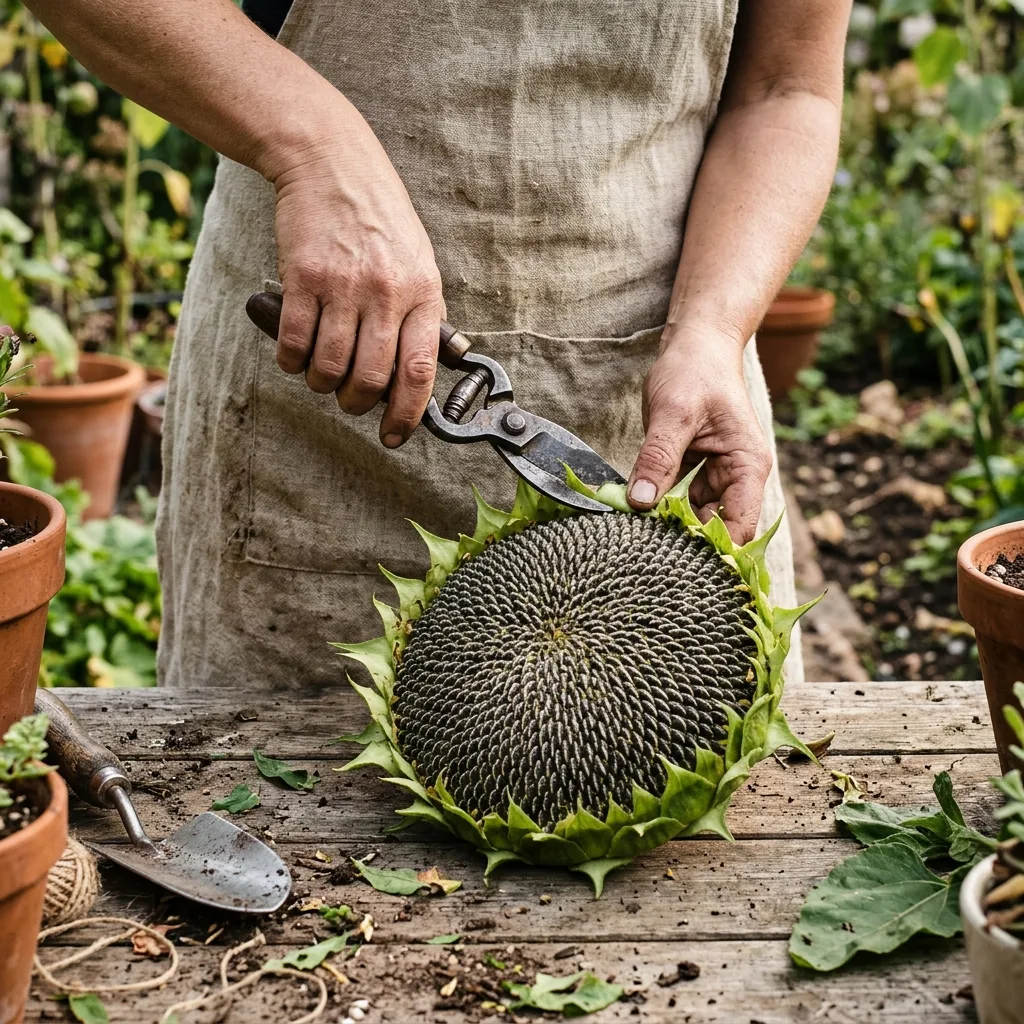
Culinary triumph with grilled sunflower heads is 90% dependent on harvesting at the exact phenological moment. Harvest a few days too late, and the lignified seed coats will be completely inedible; harvest too prematurely, and the disc lacks sufficient substance. Monitor these three physiological markers daily as blooming draws to a close:
- Abscission of Ray Florets: The vibrant yellow outer ray petals wilt, curl, and naturally begin to fall away from the margins.
- Effortless Disc Floret Removal: Gently brush the center of the capitulum with your fingers. The dried, tiny disc florets should slough off like soft butter, exposing the mosaic of creamy-white seed coats underneath.
- The Thumbnail Milk Test: Press your thumbnail firmly into an individual kernel near the center of the head. The pericarp should yield effortlessly with zero crunch, releasing a viscous, pearl-white milky liquid (the hydrated embryonic tissue). This is the apex of the milk stage—harvest immediately!
6. Step-by-Step Culinary Preparation & Cast Iron Searing
Transforming this agricultural giant into a gourmet masterpiece offers a delightful sensory cross between a tender globe artichoke heart and sweet summer sweetcorn on the cob. Follow this meticulous preparation technique to showcase its delicate, nutty notes:
- Botanical Trimming: Sever the head leaving roughly 1 cm of stem. Using sharp kitchen shears, trim off all remaining green involucre bracts surrounding the perimeter and reverse base of the head. Using a soft vegetable brush or your palms, sweep away all small tubular florets until the clean, ivory-white geometric seed bed is completely exposed.
- Parboiling (Blanching - Highly Recommended): Submerge the trimmed head face down in a broad pot of generously salted boiling water for 4 to 5 minutes. This softens the fibrous disc tissue uniformly and eliminates any trace wild bitterness. Immediately plunge into an ice bath to arrest cooking, then pat dry thoroughly with clean lint-free towels.
- Herbaceous Marinade: Whisk together premium extra virgin olive oil, 2 crushed cloves of garlic, finely minced fresh rosemary, fresh thyme, sea salt flakes, and freshly cracked black pepper. Generously brush this emulsion across both the textured seed face and the smooth, meaty reverse of the capitulum. Allow to rest for 10 minutes to permit vascular capillary absorption.
- The Cast Iron Sear: Heat a heavy cast iron skillet, griddle, or charcoal grill to medium-high heat until lightly smoking. Place the sunflower head seed-side down directly onto the grates. Sear without moving for 5 to 7 minutes until distinct charred grill marks develop and the seed embryos lightly caramelize. Flip to the reverse side for an additional 4 to 5 minutes. Cover loosely with an inverted metal bowl or grill lid for the final 2 minutes to gently steam the inner parenchyma core.
- The Plating Ritual: Transfer the piping-hot capitulum to a wooden presentation board. Liberally melt high-fat salted butter over the hot surface, finish with a squeeze of fresh lemon juice, and optionally shave aged Pecorino or Parmesan cheese over the ridges. Slice into wedges like an artichoke or scrape the tender kernels directly off with your front teeth like sweet corn!
7. Pathogen Defense and Organic Pest Management
Because the harvested product goes directly onto the table, absolute restraint regarding systemic chemical insecticides and synthetic fungicides is essential. Combat common Asteraceae issues with thoughtful cultural controls:
- Powdery Mildew (Erysiphe cichoracearum): Appears as talcum-like white dust across the foliage during stagnant, humid periods. Maintain wide spacing between plants for adequate airflow, avoid wetting the leaves during watering, and treat preemptively with pure cold-pressed horticultural neem oil or diluted potassium bicarbonate.
- Avian Predation: Local songbirds track sunflower maturity with astonishing precision. As florets fall and the milk stage approaches, drape the developing heads with breathable cotton cheesecloth or mesh drawstring fruit-protection bags.
- Grey Mold (Botrytis cinerea): In rainy regions, moisture can gather behind the dense bracts, inducing rot. Strict bottom-watering and highly porous, mineral-based soils represent your strongest defense against fungal decay.
8. Seasonal Workflow and Expert Horticultural Rhythm
Helianthus annuus is a true fast-maturing summer annual. In early to mid-spring once all ambient danger of frost has passed, direct-sow seeds into their terminal garden bed or expansive patio planters. Sunflowers resent root disturbance and transplant shock due to their fragile, searching taproots, so sow in situ where possible. Expect flowering within 65 to 80 days post-germination, with the coveted milk stage harvest window opening roughly 10 to 14 days after initial bloom opening. After harvesting your culinary heads, chop the remaining fibrous stalk to serve as a high-carbon brown additive for your home composting pile.


Reader Reviews & Comments 3 Reviews
Clara Higgins
Julian Vance
Marcus Sterling
Leave a Review & Rating
Share your plant care tips, experiences, or questions with our succulent community.