






Introduction: A Desert Jewel
On the sheer limestone bluffs of northern Mexico, where the sun beats down and the air is crisp, resides a succulent of exquisite beauty: Echeveria chihuahuensis, often called the Chihuahua succulent. This plant, with its compact rosettes and delicate coloration, is a testament to nature's artistry.
Understanding the Basics
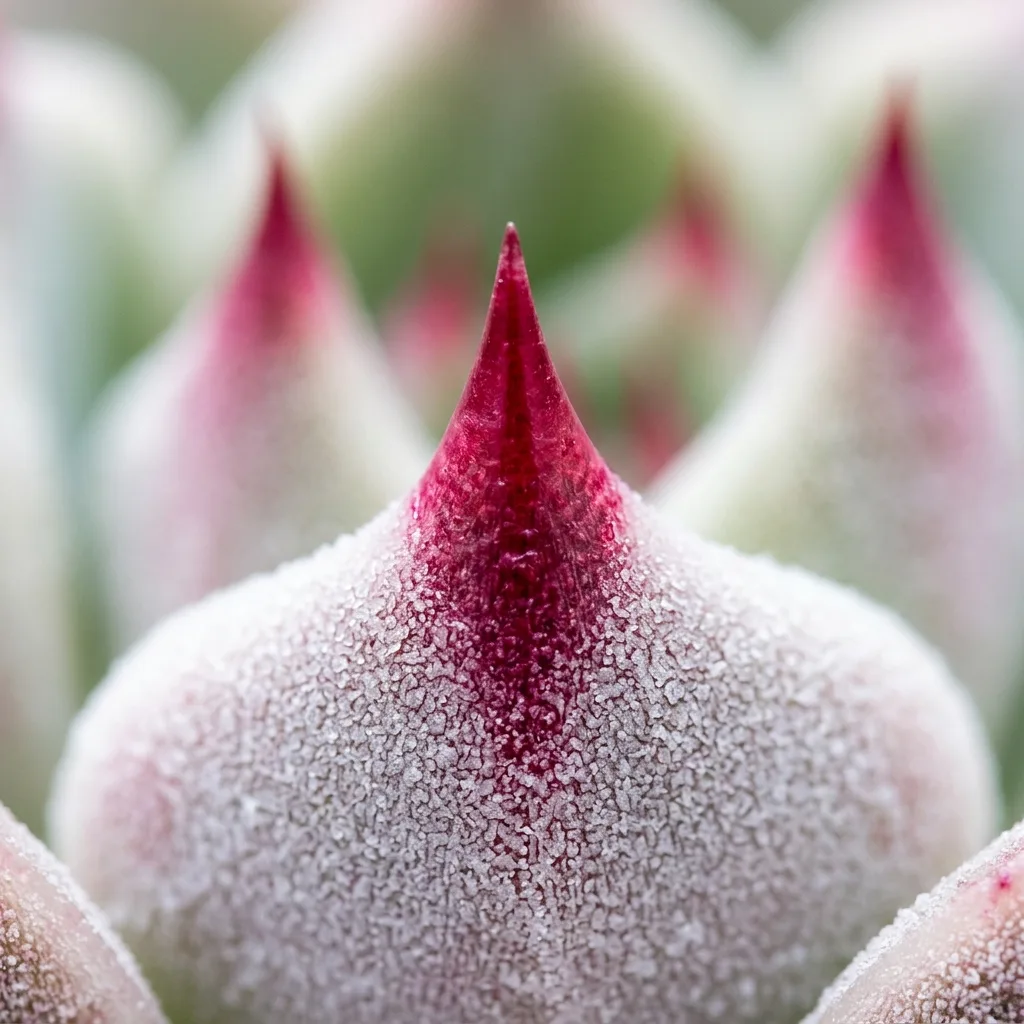
Echeveria chihuahuensis is characterized by its powdery, silvery-blue leaves – that is the 'farina', a protective coating. The leaves are tipped with a captivating rosy hue. These are the 'mucronate' tips, a tiny point on the end of each leaf. Proper care involves mimicking its native habitat to ensure it thrives in your home.
Light and Placement
Bright, indirect light is crucial. A south-facing window with sheer curtains provides the ideal balance. Too much direct sunlight can scorch the leaves, damaging the farina; too little light leads to etiolation (stretching).
Watering: The Soak-and-Dry Method
The 'soak-and-dry' method is essential. Water thoroughly when the soil is completely dry, allowing excess water to drain away. Overwatering can lead to root rot, caused by 'xylem lysis' (disruption of water-conducting tissues). During the winter months, reduce watering significantly.
Soil and Potting
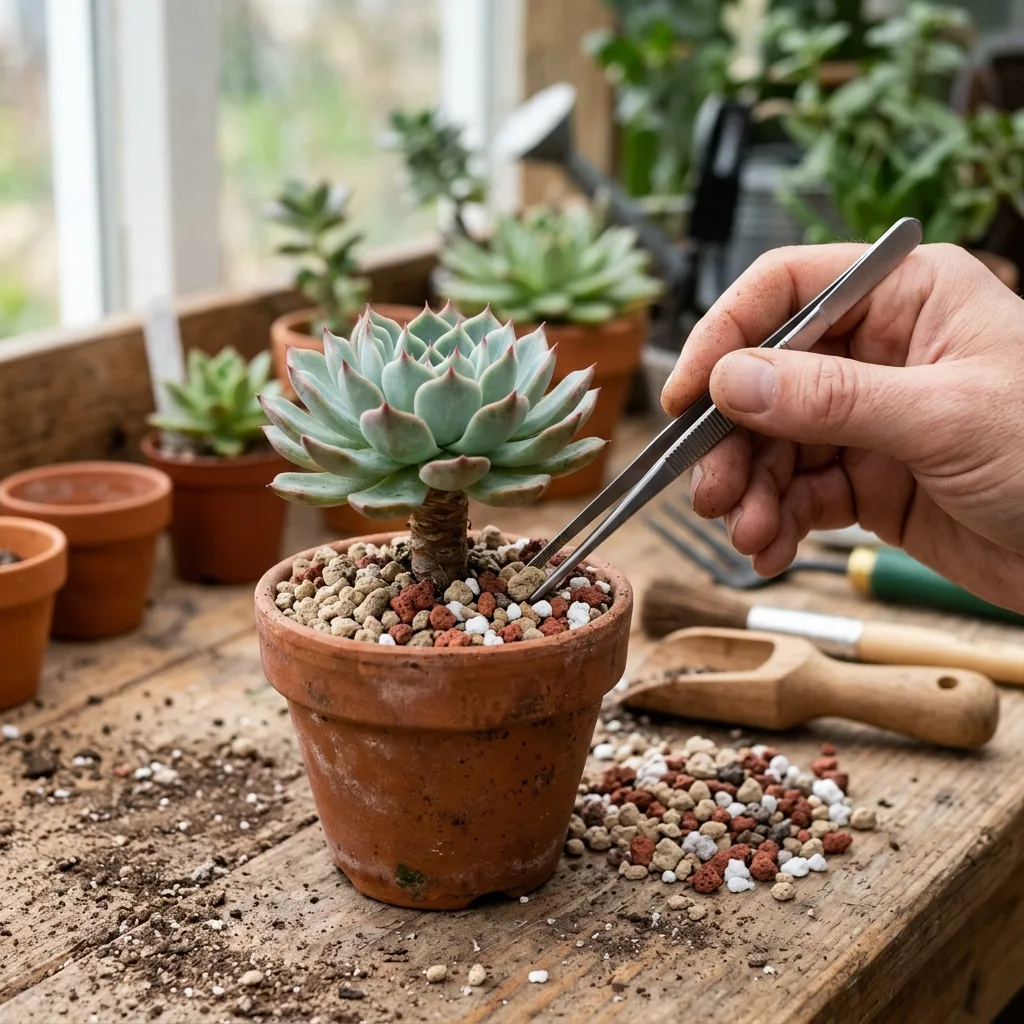
Use a well-draining soil mix – a blend of cactus potting mix with perlite or pumice is ideal. The porous nature of the mix allows for proper aeration and drainage, preventing waterlogging. Terra cotta pots are preferred as they are porous and allow for better air circulation.
Temperature and Humidity
Echeveria chihuahuensis prefers temperatures between 65-80°F (18-27°C). It can tolerate cooler temperatures, but avoid freezing conditions. Low humidity is ideal, replicating its desert environment.
Propagation: Creating New Gems
Propagation is best done through leaf cuttings. Gently remove a healthy leaf from the stem and allow it to callus over for a few days. Place the leaf on well-draining soil, and roots and new plantlets will emerge.
Recognizing and Addressing Problems
Wrinkled Leaves: Usually indicates underwatering. Water thoroughly, but ensure drainage is adequate. Yellowing Leaves: Often a sign of overwatering or too much direct sunlight. Adjust watering or light exposure. Leggy Growth: Insufficient light. Move the plant to a brighter location.
Coloration and Anthocyanins
The pink or red hues are due to the presence of 'anthocyanins', pigments that intensify with stress (like bright light) or temperature fluctuations. This is a normal and desirable trait, adding to the plant's beauty. Avoid excessive stress, which can be detrimental.
Conclusion: A Contemplative Beauty
With the right care, your Echeveria chihuahuensis will flourish, bringing a touch of desert serenity to your home. Embrace the beauty of its silent growth, and enjoy the rewards of nurturing this exquisite succulent.


Reader Reviews & Comments 3 Reviews
Eleanor Vance
Chloe Henderson
Marcus Sterling
Leave a Review & Rating
Share your plant care tips, experiences, or questions with our succulent community.