





The arid savannahs and limestone plateaus of southwestern Madagascar are home to one of nature's most sculptural botanical creations: Uncarina. With its swollen, woody base (caudex), soft pubescent leaves, and luminous yellow trumpet-shaped blooms, this rare genus resembles a living miniature baobab rather than a conventional potted plant. Yet, this ancient botanical marvel evolved specifically to endure stark, uncompromising transitions between prolonged droughts and torrential monsoon surges.
Many plant enthusiasts panic at the first sign of sudden leaf drop or a softening stem after bringing an Uncarina home. However, the cell walls and water-storing parenchyma tissue of this genus respond to seasonal rhythms with astonishing physiological precision. Dousing these succulents with frequent watering out of affection is not an act of kindness; it suffocates dormant roots and deprives them of oxygen when metabolic rates drop. In this guide, we will explore how to scientifically replicate the rocky microclimates of Madagascar right on your windowsill.
1. Botanical Biology and Physiological Foundations
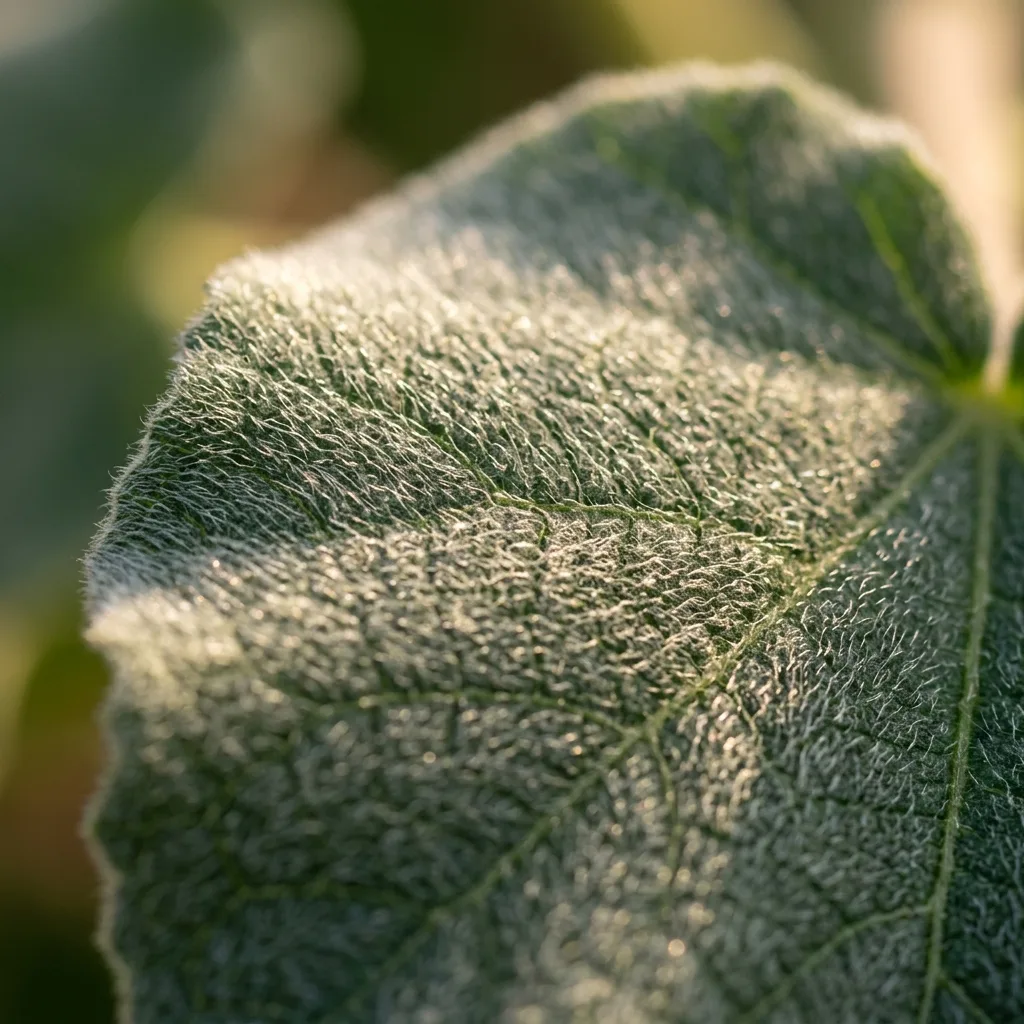
The genus Uncarina (family Pedaliaceae) consists of semi-woody, pachycaul succulents distinguished by a specialized caudiciform basal reservoir engineered for moisture retention. At the cellular level, the caudex tissue consists largely of dilated xylem parenchyma cells. These specialized cells serve as a powerful hydraulic buffer, fulfilling the plant's metabolic water requirements during hyper-arid spells. The leaves are densely clothed in multicellular trichomes (hairs); these microscopic structures deflect direct solar radiation to protect chloroplasts from photo-oxidation while substantially curbing moisture loss through transpiration.
The most delicate phase in the plant's phenology is winter dormancy. When ambient temperatures slip below 15°C (59°F) and the photoperiod contracts, Uncarina synthesizes abscisic acid (ABA), triggering an abscission layer at the leaf petioles and casting off its entire canopy. During this dormancy phase, the fine feeder root hairs responsible for active nutrient uptake desiccate and die back, plunging metabolic activity to near-zero levels. Water introduced to a dormant root zone cannot be drawn into xylem conduits; instead, stagnant moisture around the rhizosphere creates an ideal breeding ground for pathogenic oomycetes such as Fusarium and Pythium.
2. Diagnostic Indicators and Physiological Signs
Accurately reading the physiological cues provided by your Uncarina marks the precise boundary between robust vitality and fatal rot:
- Active Vegetative Growth and Water Demand: During the active growth window (late spring through mid-summer), if the caudex base yields slightly to gentle thumb pressure and the foliage droops marginally, xylem water potential has declined; it is time for a thorough watering.
- Overwatering and Rhizosphere Anoxia: Basal stem discoloration, a squishy or sponge-like caudex, and the sudden blackening of tender terminal shoot tips point directly to root anoxia and advancing rot.
- Insufficient Luminescence (Etiolation): Abnormally elongated petioles, pale foliage, and weak, spindly terminal growth indicate impaired chlorophyll synthesis resulting from inadequate photon flux.
- Entry into Dormancy: Foliar yellowing, drying, and eventual shedding in late autumn represent a normal physiological withdrawal mechanism. This phase is not a disease manifestation, but rather an evolutionary safeguard against winter cold and drought.
3. Step-by-Step Cultivation Protocol
To cultivate an Uncarina characterized by a massive, healthy caudex and abundant flowering, execute these horticultural steps methodically:
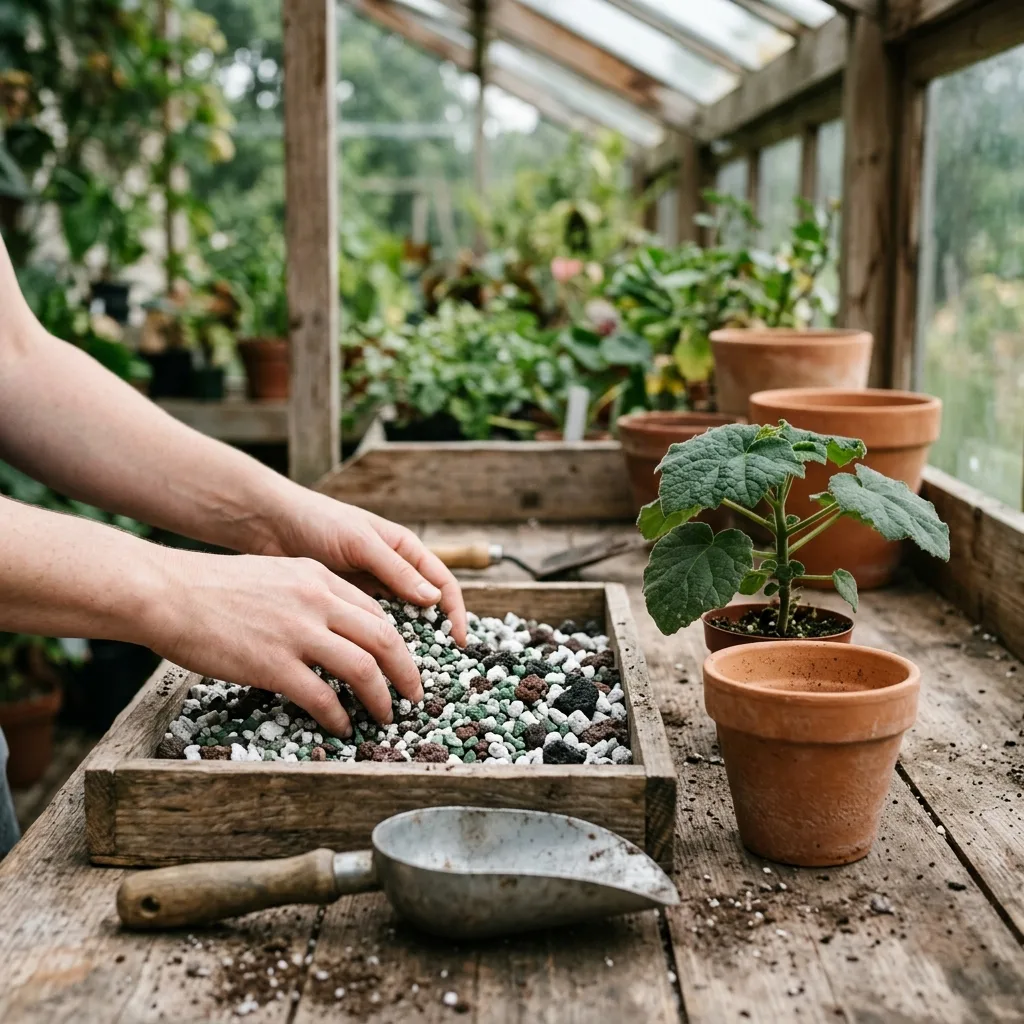
- Substrate Formulation: Organic peat or heavy humus that holds water must be strictly eliminated from the root zone. Inorganic mineral matter must be maintained between 70% and 80% (see structural breakdown in Section 4).
- Container Selection: Unfinished terracotta or wide, shallow ceramic bonsai pots are essential to maximize gas exchange and accelerate substrate dry-down. Deep pots retain wet zones at the bottom that invite root disease.
- Light Exposure: Provide south- or west-facing orientations offering a minimum of 5 to 6 hours of unfiltered direct sunlight daily. Outdoor placement on breezy terraces during warm summer months will double caudex expansion rates.
- Active Growing Season Hydration (April – October): Practice the 'complete dry-down followed by deep drenching' protocol. Wait 1–2 days after the substrate feels completely dry, drench thoroughly until water runs freely from drainage holes, and discard tray runoff within 10 minutes.
- Dormancy Protocol (November – March): When temperatures dip below 15°C (59°F), systematically taper off watering. Throughout the winter indoors, provide merely a few tablespoons of water once a month strictly to prevent irreversible caudex shriveling. Never let the ambient temperature fall below 12°C (54°F).
4. Essential Substrate Matrix and Cultivation Metrics
The ideal substrate composition and environmental metrics for Uncarina species must strictly meet the following standards:
| Component / Parameter | Recommended Value / Ratio | Physiological Function |
|---|---|---|
| Pumice | 40% (3–6 mm grain size) | Maximum root aeration and structural porosity |
| Lava Rock (Scoria) | 20% (2–4 mm) | Internal micropore water retention and trace mineral release |
| Zeolite (Clinoptilolite) | 15% (2–5 mm) | Cation exchange capacity (CEC) and rhizosphere buffering |
| Coarse River Sand / Quartz Grit | 10% (1–3 mm) | Establishes fast micro-drainage channels |
| Aged Coco Coir | 15% (Fine-sifted) | Minimal organic moisture-retentive binding |
| Optimal Temperature Range | 18°C – 35°C (Winter min: 12°C) | Ideal cellular metabolic performance and sustained growth |
| Luminous Intensity | 65,000 – 85,000 Lux | Chloroplast activation and vigorous caudiciform thickening |
5. 5 Common Cultivation Pitfalls and Rescue Protocols
- Mistake 1: Relying on Standard Commercial Potting Soil: Peat-rich mixtures hold stagnant water far too long, suffocating root tissues. Rescue: Unpot the specimen immediately, wash away the soil mud from the root system, let it air dry in bright shade for 24 hours, and repot into the mineral substrate detailed above.
- Mistake 2: Leaving Plants on Cold, Unheated Balconies: As tropical Malagasy natives, temperatures below 10°C (50°F) rupture cell membranes, triggering soft, jelly-like rot at the caudex base. Rescue: Move the plant indoors immediately to a well-lit 20°C (68°F) space and ensure the medium stays completely dry.
- Mistake 3: Under-watering During Peak Growth: Extreme drought while fully leafed in mid-summer stalls caudex development and triggers premature leaf drop. Rescue: Check mineral substrate dryness regularly in high summer and water deeply and thoroughly.
- Mistake 4: Insufficient Sunlight Exposure: Low light forces the plant to divert resources into thin, elongated, weak stems rather than expanding its base. Rescue: Acclimate the plant gradually (increasing by 1 hour daily) to full morning or late afternoon sun.
- Mistake 5: Leaving Pruning Wounds Untreated: Pruning stems for shaping yields heavy sap exudation, creating an open wound for airborne pathogens. Rescue: Seal cut surfaces immediately with sulfur powder or activated charcoal dust to create a sterile, fungistatic barrier.
6. Seasonal Management Calendar and Long-Term Results
A successful seasonal cultivation schedule for Uncarina functions like clockwork throughout the year:
- Spring (April – May): Rising ambient temperatures awaken dormant buds atop the caudex. Once the first green leaf tips emerge, resume light, gradual watering. Apply a low-nitrogen, potassium- and phosphorus-rich fertilizer at quarter strength once per month.
- Summer (June – August): The peak vegetative and blooming phase. Water deeply whenever the mineral mix dries out completely. Maximize light and ambient airflow. Hand-pollinate flowers with a fine artist's brush to obtain their signature hooked seed capsules.
- Autumn (September – October): As ambient temperatures fall, widen the intervals between waterings. Discontinue all fertilizer inputs entirely. Do not intervene when leaves begin to yellow and drop naturally.
- Winter (November – March): Total dormancy. Maintain the defoliated specimen in a bright, warm room (15–22°C / 59–72°F). Supply only minimal sips of water at long intervals to keep the caudex from completely deflating.


Reader Reviews & Comments 3 Reviews
Julian Vance
Clara Higgins
Marcus Sterling
Leave a Review & Rating
Share your plant care tips, experiences, or questions with our succulent community.