






As winter settles in, cloaking our window frames in slate-gray clouds and biting winds, the beloved Moth Orchids (Phalaenopsis) and Cane Orchids (Dendrobium) adorning our living spaces prepare for a breathtaking botanical miracle: emerging flower spikes and glistening, emerald-green root tips. For these epiphytic marvels, native to the mist-veiled canopies of Southeast Asian and South American tropical rainforests where they cling securely to rough tree bark, winter is far from a dormant death slumber. When managed with physiological precision, this seasonal chill acts as the vital environmental trigger that induces heavy blooming. However, leaving a tropical epiphyte to battle parched central heating radiators, dim winter light, and icy window panes inevitably culminates in withered, aborted buds and decaying roots.
Successfully stewarding an orchid through winter requires attuning your indoor care routine to the plant's natural rhythm, tailoring your living room's microclimate to echo its ancestral canopy habitat. From irrigation cadence to root aeration dynamics, every horticultural parameter must be recalibrated against winter's drastically reduced transpiration rates. Viewed through a botanist's lens, winter is not a crisis to survive—it is the most elegant window of the year to optimize root physiology and shepherd your orchid toward an unforgettable floral display.
1. The Botanical Biology and Physiological Foundations
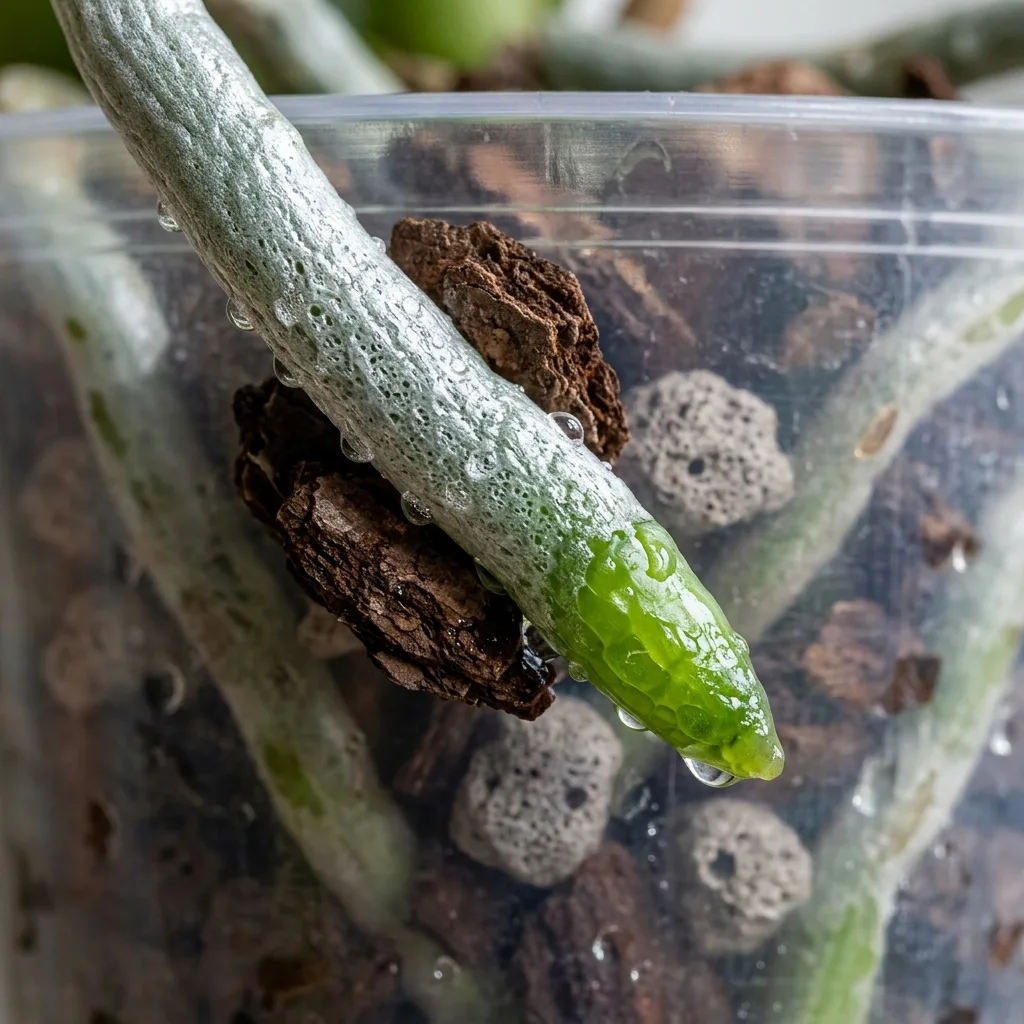
The vast majority of household orchids—chief among them the ubiquitous Moth Orchid (Phalaenopsis)—are obligate epiphytes that evolved to thrive high above the forest floor without ever touching terrestrial soil. Encasing their thick aerial and potted roots is a specialized, spongy, silvery-white tissue known botanically as the velamen radicum. Composed of multiple layers of dead, air-filled cells, the velamen functions like an instantaneous sponge, rapidly absorbing ambient water vapor and passing rainfall. As this membrane saturates, it turns a vibrant emerald green, allowing the underlying cortical chloroplasts to conduct auxiliary photosynthetic activity.
The primary physiological challenge of winter lies in the metabolic mismatch between low ambient temperatures and metabolic rate. When household temperatures drop into the 16–18°C (60–64°F) range, both cellular respiration and photosynthetic velocity slow noticeably. The orchid's water uptake plummets to a conservative baseline. If you continue watering on a generous summer schedule, the velamen remains saturated and oxygen-deprived. Submerged in cold, stagnant moisture, cortical root cells experience anoxic shock and quickly fall prey to opportunistic fungal pathogens such as Fusarium oxysporum and Pythium ultimum (black rot).
Conversely, the initiation of flower spikes during late autumn and early winter is strictly governed by a drop in nighttime temperatures—a phenomenon known as the thermoperiod. A controlled nightly drop of 5–6°C, dipping into the 15–16°C (59–61°F) threshold, signals the apical meristem to down-regulate vegetative gene expression and activate reproductive blooming pathways (floral induction). However, once the delicate embryonic buds develop, any sudden blast of sub-zero draft from an open window or blast of bone-dry radiator convection will surge endogenous ethylene production within the pedicel, triggering devastating bud abortion and premature drop (bud blast).
2. Diagnostic Symptoms and Identifying Plant Needs
To accurately monitor your orchid's physiological status across the cold season, observe the nuanced morphological cues displayed by its foliage and root system:
- Velamen Coloration and Turgidity: Silvery-gray roots indicate that the outer velamen is completely dry, aerated, and receptive to hydration. Emerald-green roots signify full cellular water saturation; in this state, watering is strictly contraindicated. Roots that appear translucent, olive-brown, or feel mushy and hollow upon gentle palpation are definitive signs of advanced root rot.
- Loss of Turgor Pressure and Folio Creasing: When thick, leathery leaves lose their firm structural turgidity, becoming limp, wrinkled, and dull, the plant is signaling extreme cellular dehydration. In winter, this paradoxically stems from root rot (where destroyed root tissue cannot deliver water upward) or excessive cuticular transpiration triggered by bone-dry indoor radiators.
- Bud Blast (Premature Bud Drop): Unopened, juvenile floral buds that suddenly turn pale yellow, dehydrate, and cleanly sever from the raceme are suffering from bud blast. The culprit is nearly always a sudden cold draft, proximity to an active heat source, or ambient relative humidity collapsing below 40%.
- Anthocyanin Pigmentation: The appearance of faint reddish-purple margins or undersides on the foliage reflects the natural synthesis of protective anthocyanin pigments. While this indicates high winter light exposure coupled with crisp temperatures, it is a defensive adaptation rather than an immediate emergency; monitor the plant to ensure it stays within safe thermal boundaries.
3. Step-by-Step Winter Orchid Protocol
To keep your orchid resiliently healthy while sustaining its exquisite floral blooms for several uninterrupted months throughout the chill of winter, implement this five-step scientific care protocol:
- Microclimate and Position Optimization: Position your orchid near an east- or south-facing window where it can enjoy gentle, direct winter sunshine, ensuring the foliage stands at least 10–15 cm (4–6 inches) away from freezing window glass. The low seasonal angle of the winter sun delivers energizing lumens without the risk of scorching leaf tissue. Ensure the pot is never positioned directly above an active heating register or warm convection currents.
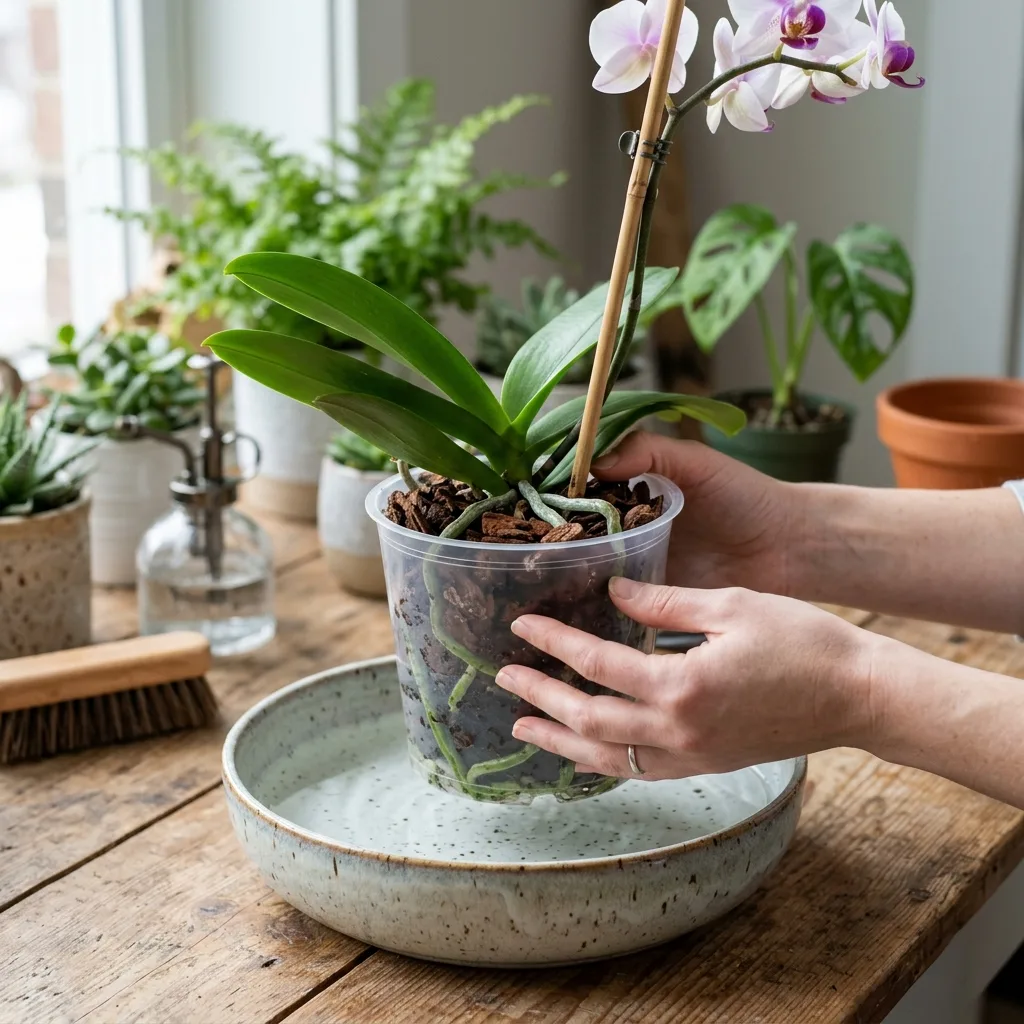
- Tempered Submersion Watering: Never irrigate an orchid in winter with ice-cold municipal tap water. Water temperature should consistently measure between 20–22°C (68–72°F; lukewarm room temperature). Water strictly when the velamen radicum throughout the transparent pot has shifted entirely to silvery-gray. Immerse the base of the pot in a basin of lukewarm, purified or filtered water for 10 minutes to allow the pine bark and velamen to soak up hydration from below, then drain the pot exhaustively until not a single drop remains in the saucer.
- Creating an Evaporative Humidity Microclimate: As residential radiators lower indoor humidity levels to a desiccating 25–30%, tropical orchids suffer severe transpiration stress; they thrive best at 50–60% ambient humidity. Place the pot atop a wide humidity tray filled with expanded clay pebbles or smooth river gravel and water. Ensure the bottom of the orchid pot rests completely above the water line on top of the stones. As the water evaporates upward, it creates a localized blanket of nourishing humidity.
- Calibrated Winter Feeding Regime: Orchids supporting emerging flower spikes require gentle nutritional support, but overfeeding during periods of sluggish winter growth causes salt burn on delicate root hairs. Dilute a balanced, urea-free orchid fertilizer to one-fourth (1/4) of the label's recommended dosage. Adopt the classic botanical tenet: 'weakly, weekly' (applied at most once or twice a month), and always flush the substrate with clean, tepid water prior to applying nutrients. Cease all fertilization completely once blooms fully open until active spring vegetative growth resumes.
- Air Circulation and Cold Shock Mitigation: Stagnant, humid indoor air is an open invitation for fungal pathogens like Botrytis cinerea (petal blight). However, passive ventilation must never expose the orchid to freezing drafts. When airing out your living spaces on frosty days, temporarily move your orchid to a sheltered interior room, returning it only after window closures have allowed the room's temperature to normalize.
4. Necessary Equipment, Materials, and Metric Benchmarks
Winter orchid cultivation thrives on precise environmental data rather than casual guesswork. The table below outlines the ideal biological parameters and critical thresholds for maintaining Phalaenopsis and allied tropical epiphytes during the cold season:
| Parameter / Material | Ideal Winter Target | Critical Threshold (Danger Zone) | Physiological Objective |
|---|---|---|---|
| Daytime Temperature | 20°C – 23°C (68°F – 73°F) | Below 16°C (61°F) | Sustaining enzyme kinetics and photosynthetic efficiency |
| Nighttime Temperature | 15°C – 17°C (59°F – 63°F) | Below 12°C (54°F; Chilling Injury) | Floral induction & nighttime metabolic carbohydrate conservation |
| Light Intensity | 10,000 – 15,000 Lux | Below 4,000 Lux | Spike elongation and maintaining leaf chlorophyll stability |
| Relative Humidity | 55% – 65% | Below 35% | Preventing bud abortion and transpirational leaf desiccation |
| Water Temperature | 20°C – 24°C (68°F – 75°F) | Below 14°C (57°F; Root Shock) | Preventing root-hair collapse and cold-induced velamen damage |
| Potting Substrate | Medium-Coarse Bark + Pumice | Peat Moss / Degraded Soil | Maximizing macro-pore oxygenation during slow winter dry-outs |
5. 5 Common Mistakes and Rescue Strategies
Indoor plant enthusiasts frequently make well-intentioned errors during the cold season. Here are five pervasive winter orchid pitfalls and their scientific remedies:
- The 'Ice Cube Watering' Myth: The viral internet trend of watering orchids by placing ice cubes directly onto the potting medium is lethal to tropical root structures. Freezing meltwater causes immediate cell lysis and permanent tissue necrosis across the velamen. Rescue: Discontinue ice watering instantly. Excise any blackened, dead roots using sterile shears, and dust the clean cuts with ground cinnamon powder (a natural, desiccant fungistat).
- Positioning Against Hot Radiators: Placing an orchid on or immediately next to a radiator out of fear that it will freeze subjects the plant to an arid, desert-like microclimate with relative humidity hovering near 20%, resulting in immediate bud blast. Rescue: Relocate the plant at least 1.5 meters (5 feet) away from heat registers and deploy a pebble-filled humidity tray to rebuild a localized moisture dome.
- Adhering to a Static Summer Watering Schedule: Providing copious water every 4 to 5 days on a rigid summer schedule during short, overcast winter days invariably rots the root system. Rescue: Discard the calendar; water exclusively by root velamen coloration (only when silver-gray). If root rot has taken hold, unpot the specimen, prune rotted, hollow filaments, and repot into fresh, chunky fir bark.
- Winter Foliar Misting: Spritzing foliage with a hand mister during cold, low-light winter days does not measurably increase systemic ambient humidity; it merely pools droplets within leaf crevices and axillary nodes, creating ideal breeding grounds for cold fungal and bacterial spot infections. Rescue: Stop foliar misting completely. To elevate atmospheric moisture safely, use an ultrasonic cool-mist humidifier or a passive gravel tray.
- Unnecessary Mid-Winter Repotting: Repotting an orchid while it is developing an active flower spike or during deep winter conditions sends the plant into severe transplant shock, immediately halting bud development. Rescue: Unless the plant is suffering from aggressive, foul-smelling root rot, postpone all repotting maneuvers until early spring (March or April), when active vegetative root tips begin to emerge.
6. Seasonal Timeline and Long-Term Projections
Managing an orchid's winter care cycle with scientific diligence is a structured marathon that compounds floral vigor year after year:
- November – December: The Floral Induction Window. Cool autumn-into-winter nights signal the lower leaf axils to initiate emergent spikes (resembling tiny, mitten-shaped green nubs). Maximize sun exposure on bright windowsills and permit gentle nighttime temperature dips around 16°C (61°F).
- January – February: Bud Swelling and Early Anthesis. Keep thermal ranges firmly stabilized (19–22°C / 66–72°F) to safeguard developing racemes. Shield the plant from sudden window drafts. Anchor the burgeoning spike loosely to an upright bamboo support stake using gentle orchid clips, ensuring the pedicels remain unconstricted.
- Late February – March: Peak Bloom and Spring Transition. As photoperiods lengthen and solar radiance warms the canopy, the orchid prepares to transition from reproductive anthesis back to vegetative growth. Monitor for fresh, lime-green root tips and a new central leaf emerging from the crown, gradually scaling back floral feeding in preparation for spring vitality.
By adhering to this biologically informed winter care protocol, your orchid will cease to be a fragile, disposable grocery store plant that drops its buds at the first sign of winter. Instead, it will transform your living room into an enduring indoor conservatory, proudly displaying thick, crystalline floral blooms that remain flawless for three to four months straight.


Reader Reviews & Comments 4 Reviews
Eleanor Vance
Marcus Sterling
Clara Higgins
Julian Hayes
Leave a Review & Rating
Share your plant care tips, experiences, or questions with our succulent community.