






Evolving along the rich, humid humus floors and dappled canopies of Australia and New Guinea's subtropical rainforests, the Kimberly Queen fern (Nephrolepis obliterata) reigns as one of the most distinguished and stately architectural specimens in indoor botany. Compared to the delicate, shed-prone pinnae of the ubiquitous Boston fern (Nephrolepis exaltata), the Kimberly Queen lives up to her royal moniker with stiff, sword-like upright stipes, a deep matte emerald sheen, and an inherently superior resilience against ambient indoor dryness. Yet, even this robust vascular framework can rapidly deteriorate when subjected to arid central heating, erratic irrigation cycles, or dense, non-porous potting media.
A fern's complex vascular bundles—namely its xylem and phloem—depend on a steady, dynamic transpirational equilibrium regulated by foliar stomata to drive hydraulic pull from root tip to apex. When this delicate microclimatic balance collapses within indoor living spaces, the internal hydrostatic pressure falters. The sudden appearance of crispy, desiccated margins is seldom merely a superficial foliar defect; it is typically the secondary symptom of anaerobic decay within the rhizosphere or an acute osmotic imbalance. Watching your fern shed fronds in distress is never an inevitability. With precise horticultural diagnostics and targeted interventions, even the most critically compromised crowns can be coaxed back into vibrant, lush vigor.
1. Early Diagnostic Symptoms and Microscopic / Visual Indicators
Catching physiological distress in its earliest stages is critical to arresting irreversible cellular necrosis. In Nephrolepis obliterata, health decline typically manifests along a predictable gradient, moving from the distal frond tips inward toward the central crown:
- Distal Frond Desiccation and Crisping: When ambient relative humidity plunges below 45% or the rhizosphere experiences prolonged drought stress, cells at the pinnule tips lose cellular turgor and collapse. The foliage loses its pliable, leathery texture, turning brittle and parchment-like.
- Chlorotic Paling and Turgor Collapse: Sustained overwatering or substrate compaction induces root-zone hypoxia (oxygen starvation). As root hairs suffocate, synthesis of dark green chlorophyll pigments halts, causing fronds to yellow diffusely, lose their architectural rigidity, and droop limply.
- Crown Melanosis and Anaerobic Odor (Pythium / Rhizoctonia): Stolon bases and rhizome tissues turning sodden, slimy, and black, paired with a sour, putrid scent emanating from saturated compost, provide unequivocal proof of anaerobic fungal root rot.
- Stippling and Microscopic Webbing: Under warm, dry atmospheric conditions, two-spotted spider mites (Tetranychidae) establish colonies on the abaxial (underside) surfaces of fronds, puncturing epidermal cells to siphon sap and leaving fine chlorotic stippling accompanied by silky, micro-fine webbing.
2. Underlying Root Causes and Environmental Triggers
The sudden decline of a Kimberly Queen fern is rarely caused by a single isolated oversight; it is almost always the cumulative outcome of cascading environmental stressors. In its native biotope, this epipetric and terrestrial survivor anchors in cool, porous, humic detritus, perpetually bathed in buoyant relative humidity and bright, canopy-filtered irradiance.
The most pervasive indoor error is potting the specimen into decorative, undrained containers or heavy, peat-dominated substrates devoid of structural aggregates like perlite and pumice. Root cells require continuous cellular respiration. When fine-particled soils remain waterlogged, capillary macropores stay flooded, depleting dissolved oxygen and creating the ideal environment for opportunistic oomycete pathogens such as Pythium and Phytophthora species. The second primary catalyst is proximity to forced-air heating units and air conditioners. These appliances drastically elevate the Vapor Pressure Deficit (VPD), driving foliar transpiration rates far beyond what damaged or sluggish root systems can mechanically supply.
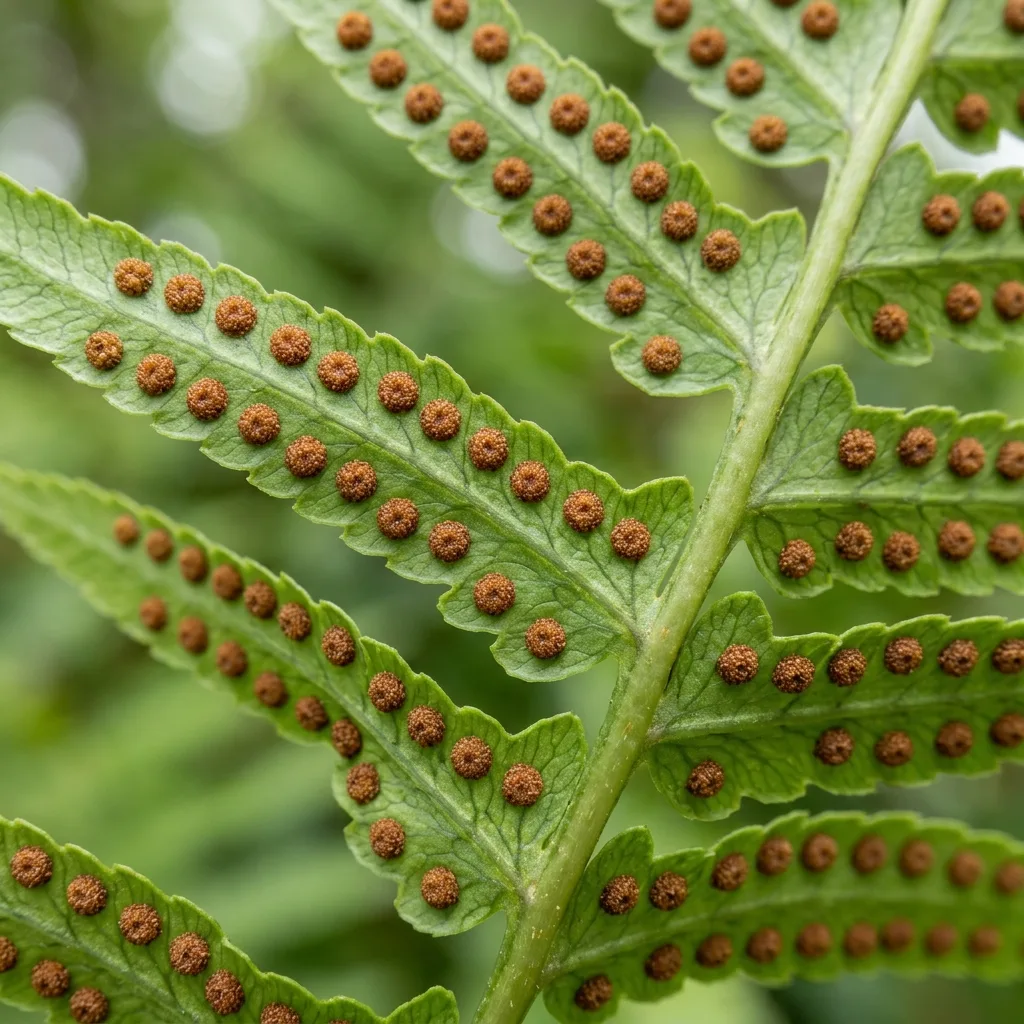
3. Natural and Organic Remediation Protocols
During the nascent stages of microclimatic stress or minor pest presence, non-synthetic cultural interventions offer the safest, most sustainable path to restoring physiological equilibrium:
- Atmospheric Humidity Augmentation: Misting fronds directly with mineral-heavy tap water is counterproductive, as it deposits carbonates and creates micro-reservoirs that encourage foliar fungal spores. Instead, place the planter on an expanded clay pebble or gravel tray filled with water, ensuring the pot base remains elevated above the waterline. Alternatively, run an ultrasonic cool-mist humidifier to stabilize ambient humidity within the 55–65% range.
- Cold-Pressed Neem Oil Emulsion: At the first sign of mealybugs or spider mites, emulsify 5 ml of pure, cold-pressed horticultural neem oil with 2–3 drops of organic castile soap in 1 liter of lukewarm, dechlorinated water. Thoroughly coat both the adaxial and abaxial surfaces of the fronds during evening hours using a fine-mist sprayer.
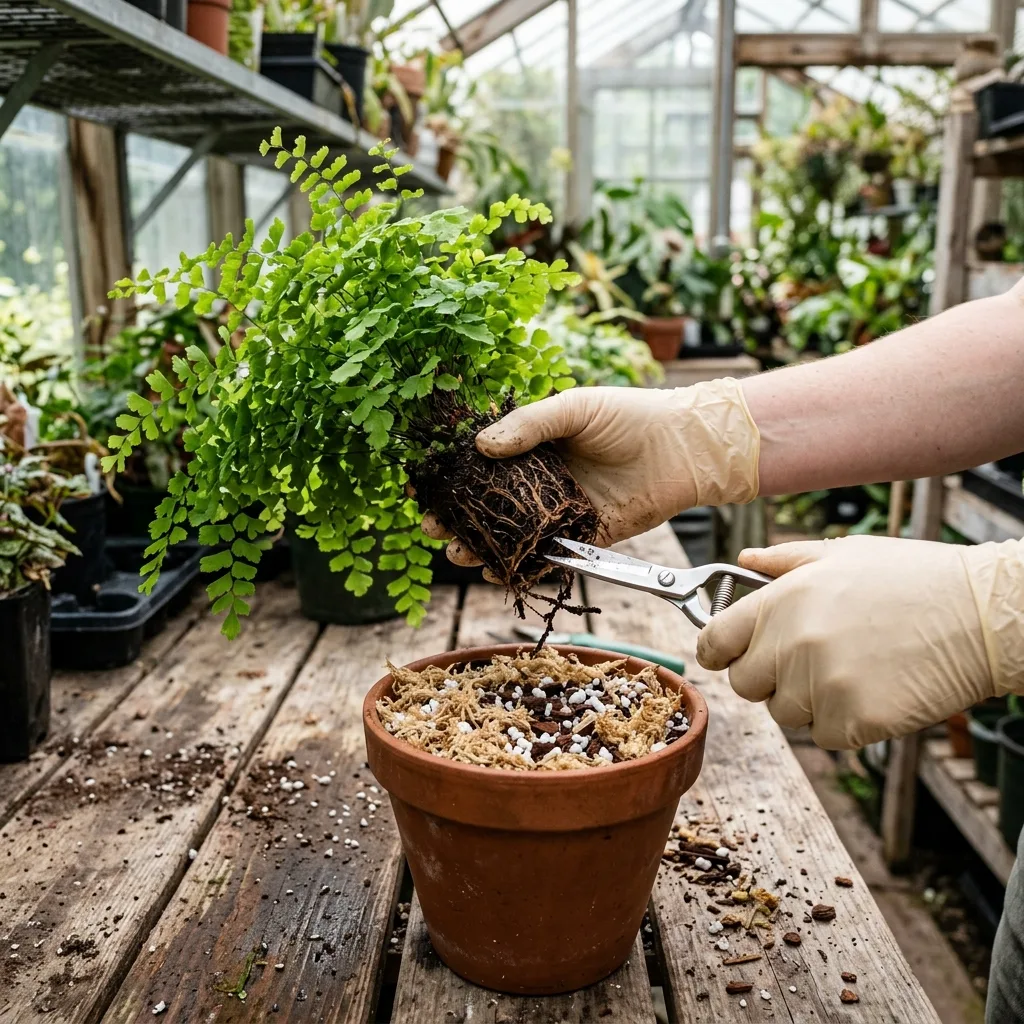
- Mechanical Rhizome Sanitation (Surgical Pruning): Gently unpot the fern, rinse away collapsed media, and excise all dark, hollow, or water-soaked roots back to firm, creamy-white vascular tissue using sterilized shears. Dust all surgical cuts with organic powdered cinnamon—a potent natural fungicide and natural astringent.
4. Chemical and Systemic Treatment Protocols
When dealing with advanced fungal infections or entrenched pest populations that do not respond to organic management, a measured chemical intervention becomes biologically necessary. Because the delicate cuticular membranes of ferns are acutely sensitive to chemical phytotoxicity, strict adherence to dosage guidelines is imperative:
| Pathogen / Pest | Active Ingredient | Dosage per Liter | Application Interval | Target Mechanism |
|---|---|---|---|---|
| Root & Crown Rot (Pythium / Phytophthora) | Fosetyl-Aluminium | 2.0 - 2.5 g / L | Every 14 days (Max 2 cycles) | True systemic absorption; disrupts oomycete cell wall synthesis |
| Rhizoctonia & Damping-Off | Propamocarb Hydrochloride | 1.5 ml / L | Every 10-12 days | Targeted soil drench to saturate and cleanse root zone |
| Spider Mites (Tetranychidae) | Abamectin | 0.5 ml / L | Every 7 days (2 applications) | Translaminar contact acaricide targeting active feeding stages |
| Mealybugs & Scale Insects | Acetamiprid | 0.4 - 0.5 g / L | Every 10 days (2 cycles) | Systemic neonicotinoid targeting insect central nervous systems |
5. Quarantine and Sanitation Measures
A Kimberly Queen fern diagnosed with an infectious disease or pest infestation must be immediately isolated from the rest of your plant collection. Mites disperse easily on convection drafts, while fungal spores spread via irrigation droplets:
- Spatial Isolation: Relocate the fern to a well-ventilated, well-lit isolation area at least 4 meters (13 feet) away from other houseplants, shielded from cold drafts. Maintain quarantine for a minimum of 21 days following the complete absence of symptoms.
- Instrument Sterilization: Disinfect all pruners, scissors, and repotting knives prior to and immediately after every cut using 70% isopropyl alcohol or direct flame sterilization.
- Container Decontamination: If re-potting back into the original plastic pot, soak it in a 10% household bleach solution (1 part bleach to 9 parts water) for 30 minutes, followed by a thorough flush with fresh water. Porous terracotta pots should be sterilized with boiling water or baked at low heat.
6. Post-Treatment Rehabilitation and Long-Term Recovery
A fern recovering from aggressive root pruning and fungicide applications experiences acute physiological shock. The single most detrimental mistake at this stage is administering fertilizer; non-functional, damaged root hairs cannot process mineral salts, resulting in severe chemical burns.
Rehabilitation Substrate Formulation: Pot the recovering plant into an open, oxygen-rich medium: 40% premium blonde fibrous peat or washed coco coir, 25% coarse perlite, 20% horticultural pumice (small grade), and 15% aged fir bark fines. This open architecture guarantees optimal air-filled porosity while preserving essential moisture reserves.
For the initial 3 to 4 weeks, irrigate only when the top 2–3 cm (1 inch) of the substrate feels dry to the touch, using room-temperature, filtered, or distilled water. The emergence of tightly coiled, bright green fiddleheads (croziers) unfurling from the center of the crown confirms active root regeneration. Delay all liquid fertilization until vigorous new growth is established, introducing a balanced, urea-free foliar feed diluted to one-quarter strength.


Reader Reviews & Comments 3 Reviews
Eleanor Vance
Julianna Ross
Marcus Sterling
Leave a Review & Rating
Share your plant care tips, experiences, or questions with our succulent community.