






While tropical succulents often collapse from cellular freezing shock in the bitter frosts of continental climates, species of Hylotelephium stand proud and resilient on windswept mountain slopes. Formerly classified within the genus Sedum but rightfully elevated to its own independent taxonomic standing through genetic and morphological distinction, Hylotelephium (such as the beloved Hylotelephium spectabile or the classic cultivar 'Autumn Joy') transforms balconies and garden borders into a tapestry of rich hues as crisp autumn breezes begin to stir. Their evolutionary secret lies in nutrient-storing root networks adapted to rugged, rocky terrain and an extraordinary seasonal strategy: sacrificing their entire above-ground biomass in winter to channel vitality into basal resting buds that erupt with vigor each spring.
Many plant enthusiasts panic when the stems of their Hylotelephium shrivel and darken in late autumn, mistaking natural senescence for death; in reality, this is one of nature’s most sophisticated survival strategies. Frequent watering is never an expression of plant love; rather, it deprives root zones of essential oxygen and inadvertently suffocates them. The rule remains unbending for Hylotelephium: unless free oxygen circulates continuously around the root system, even this rugged northern survivor will succumb to pathogenic root rot.
1. Botanical Biology and Physiological Foundations
The genus Hylotelephium represents one of the most cold-hardy lineages within the family Crassulaceae. At the cellular level, these plants employ Crassulacean Acid Metabolism (CAM), keeping their stomata tightly sealed during daylight hours and taking in carbon dioxide during the cool night. This physiological adaptation allows them to drastically reduce transpirational water loss, even under blazing midsummer heat.
The defining botanical trait of this plant is its herbaceous perennial succulent nature. Unlike tropical counterparts such as Echeveria or Haworthia, which maintain fleshy stems year-round, Hylotelephium forms overwintering crown buds—known botanically as 'hibernacula'—at ground level following its autumn floral display. As the first hard frosts descend, the above-ground shoots lose their lignocellulosic structural integrity and desiccate. Throughout this phase, essential carbohydrate reserves and vital minerals are systematically translocated downward into the thickened, rhizomatous rootstock. When this physiological retreat is misunderstood, growers often attempt to compensate by overwatering or moving the plant into heated indoor rooms, inadvertently disrupting its mandatory natural dormancy.
2. Diagnostic Signs and Plant Requirements
Accurately diagnosing subtle morphological cues is the foundational step in maintaining pristine Hylotelephium vigor:
- Etiolation and Flopping Stems: Stems that sprawl horizontally and exhibit elongated internodes are unmistakable symptoms of inadequate lumen exposure combined with excess nitrogen. Hylotelephium demands a minimum of 6 hours of unfiltered direct sunlight daily.
- Softening Root Crowns and Basal Darkening: A telltale sign of vascular occlusion caused by waterlogged, clay-dense soil lacking drainage, allowing opportunistic fungal pathogens (predominantly Fusarium or Pythium) to choke the xylem tissue.
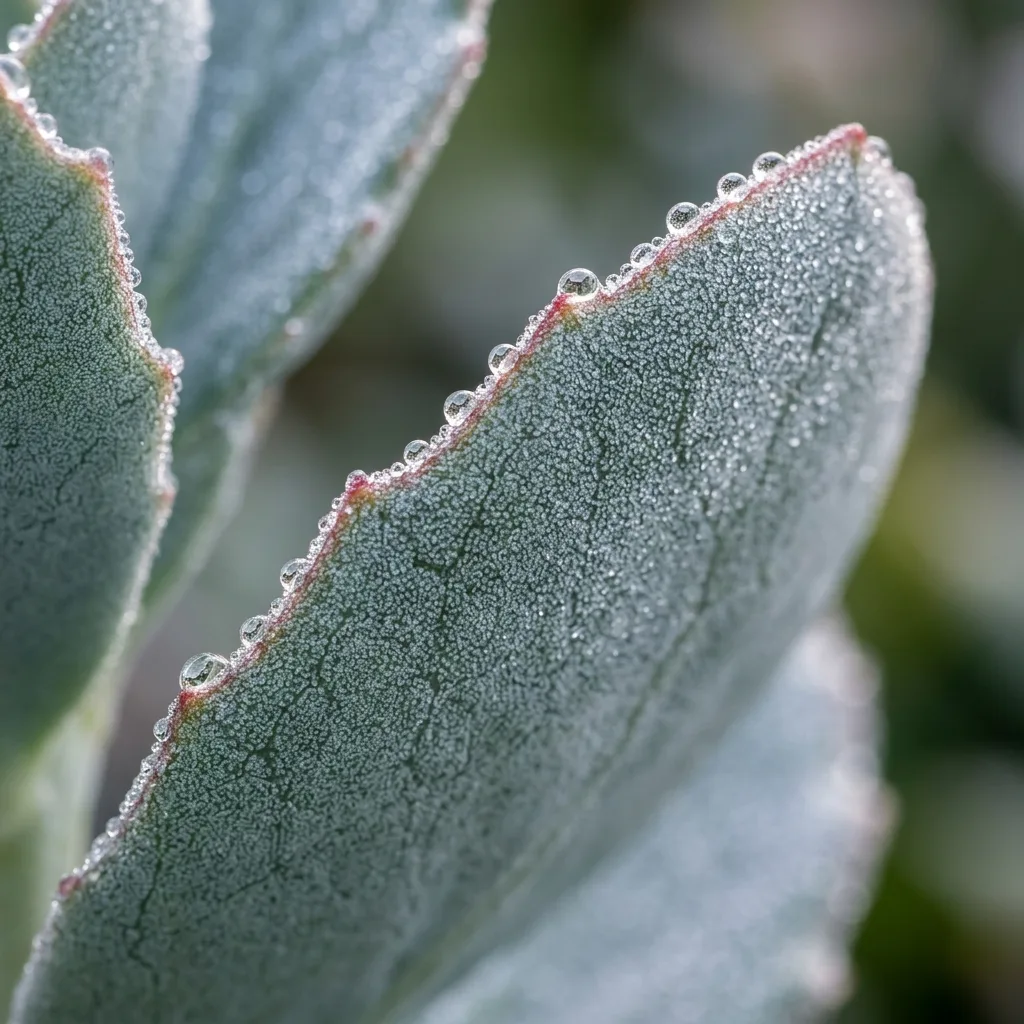
- Silvery or Patchy Leaf Blemishes: Rather than a light deficiency, this usually indicates mechanical abrasion or chemical erosion of the protective epicuticular farina layer, caused by overhead foliar spraying or unbuffered pesticide contact.
- Delayed Spring Emergence: Typically caused by insufficient chilling hours (vernalization) during winter dormancy, or basal crown bud decay caused by saturated winter potting mix.
3. Step-by-Step Cultivation Protocol
To cultivate robust, upright stems topped with massive, architectural bloom trusses in autumn, implement this four-phase horticultural protocol:
- Strategic Site Positioning: Position your specimen in an open, full-sun exposure where it can absorb even the intense rays of midday sun. Insufficient light results in weak, spindly stems that inevitably collapse under the weight of blooming terminal cymes.
- Aerated Substrate Architecture: Dense peat mixes are fatal to this genus. Formulate a gritty, open substrate composed predominantly of pumice, volcanic scoria, and coarse inorganic grit to ensure continuous aeration around the root zone.
- Cyclic Deep Drenching: Adhere strictly to the 'soak and dry' methodology. Water thoroughly until liquid drains unimpeded from bottom drainage outlets, and never permit runoff to sit stagnantly in collection saucers.
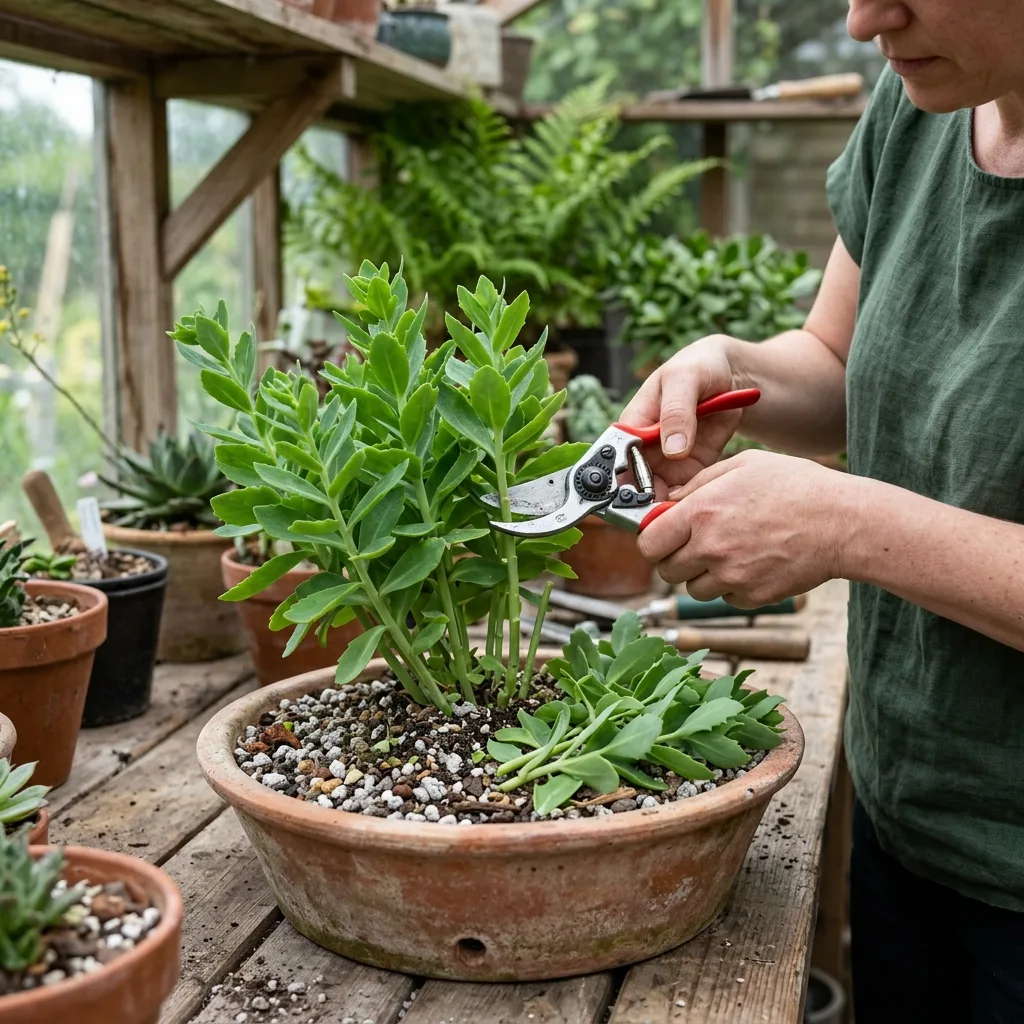
- The Chelsea Chop Technique: In late spring or early summer (late May to early June), prune the terminal growth back by approximately one-third. This classic horticultural technique encourages basal branching, produces sturdier stems that resist wind lodging, and multiplies the final flower count exponentially.
4. Substrate Requirements, Environmental Metrics, and Specifications
The root dynamics and seasonal nutrition parameters for Hylotelephium have been standardized in the reference table below:
| Component / Parameter | Target Standard / Proportion | Physiological Objective |
|---|---|---|
| Pumice (3–6 mm) | 40% Volumetric Ratio | Maintains macro-porosity and continuous gas exchange in root zone |
| Lava Rock / Zeolite | 20% Volumetric Ratio | Provides structural mineral porosity and enhances cation exchange capacity |
| Coarse River Sand / Perlite | 15% Volumetric Ratio | Accelerates gravitational percolation and eliminates capillary water pooling |
| Screened Garden Loam / Peat | 25% Volumetric Ratio | Supplies minimal organic fraction and balanced moisture buffer |
| Substrate pH | 6.0–7.2 (Slightly Acidic to Neutral) | Optimizes systemic uptake of iron, phosphorus, and essential micronutrients |
| Light Intensity | Minimum 6–8 Hours Daily Direct Sunlight | Drives stem lignification and induces prolific flower bud initiation |
| Fertilization Profile | Low Nitrogen, High Phosphorus (e.g., 5-10-10) | Prevents weak vegetative stretching while promoting root density and bud set |
5. 5 Common Pitfalls and Remediation Strategies
- Attempting Indoor Windowsill Culture: Hylotelephium is an obligate outdoor plant. Stagnant indoor microclimates and filtered glass light rapidly degrade its tissue integrity. Remedy: Gradually acclimate the plant outdoors, moving it step by step from partial shade into unshielded, full sun.
- Overfeeding with High-Nitrogen Nutrients: Excessive nitrogen prompts rapid, watery cellular expansion, leaving stems weak and unable to support blossom clusters. Remedy: Discontinue feeding entirely, flush the container thoroughly with clean water, and withhold all supplemental fertilizer until the subsequent growing season.
- Moving Dormant Plants into Heated Quarters: Bringing a leafless plant indoors during winter interrupts its mandatory vernalization cycle. Remedy: Leave the pot in an outdoor, semi-sheltered courtyard or border; established root systems easily withstand winter temperatures down to -20°C (-4°F).
- Growing in Undrained Containers: Glazed ceramics or cachepots without discharge ports lead to rapid anoxic conditions. Remedy: Repot immediately into unglazed porous terracotta containers with ample drainage holes or plant directly into raised garden beds.
- Midday Irrigation Under High Heat: Wetting hot soil during peak daylight heats the root mass and triggers acute fungal infections. Remedy: Water exclusively during the cool hours of early morning or well after sunset.
6. Seasonal Calendar and Long-Term Results
When maintained in harmony with its natural phenology, Hylotelephium develops into a reliable perennial anchor in your outdoor collection:
- Spring (March – May): Basal hibernacula swell and burst. Shear off previous season’s dry stem remnants at soil level. Apply a dilute, phosphorus-dominant fertilizer as growth accelerates. Execute the 'Chelsea Chop' in late May to establish a compact, multi-branched framework.
- Summer (June – August): Foliage deepens and stems lignify under intense sun. Water deeply only after the substrate has dried out completely. Compact, broccoli-like flower trusses begin to form at terminal branch tips.
- Autumn (September – November): Inflorescences reach their peak, opening into vast corymbs of blush-pink, magenta, and copper tones. Flowers serve as a vital nectar source for migrating butterflies and bees. Taper off watering as temperatures drop.
- Winter (December – February): Full physiological rest. Above-ground foliage dies back completely. Withhold all supplemental irrigation for outdoor pots exposed to rainfall; resting roots remain safe beneath winter snow.


Reader Reviews & Comments 3 Reviews
Eleanor Vance
Marcus Thornton
Sophia Bennett
Leave a Review & Rating
Share your plant care tips, experiences, or questions with our succulent community.