






Hailing from the rugged limestone karsts and the dappled understory of Southeast Asia’s monsoon forests, representatives of the genus Stephania—most notably the beloved Stephania erecta—stand among the plant kingdom’s most captivating paradoxes. At first glance, the tuber resembles a lifeless, weathered potato or an ancient stone. Yet this swollen caudex (an expanded stem base) is a cellular fortress of specialized water- and starch-storing parenchyma tissues. Finely adapted to survive prolonged drought in tropical deciduous environments, this woody caudex works true horticultural magic when stimulated by the right environmental cues, bursting forth with delicate climbing vines adorned with perfectly circular peltate leaves.
For many indoor gardeners, welcoming a Stephania into their collection is equal parts intoxicating and nerve-wracking. Staring at an unresponsive tuber for weeks—or even months—often tempts impatient growers into heavy watering, which can destroy the caudex's basal tissue and root system within days. Watering succulents excessively is never an act of care; it inadvertently suffocates delicate root zones desperate for gaseous exchange. Learning the true language of Stephania means honoring its seasonal dormancy and respecting the evolutionary purpose of its cellular water reserves.
1. Botanical Biology and Physiological Foundations
The genus Stephania belongs to the Menispermaceae family and is classified as a caudiciform geophyte or succulent climber. The physiological epicenter of this plant is its swollen caudex, derived from hypocotyl or modified root tissue. Internally, this structure consists of expanded parenchymal cells packed with water reserves, starches, and defensive alkaloids. In its native habitat, the onset of the dry season signals the plant to shed all foliage and aerial vines, close its stomata, and transition into absolute dormancy. During this state, photosynthesis halts, and metabolic activity drops to basal survival levels.
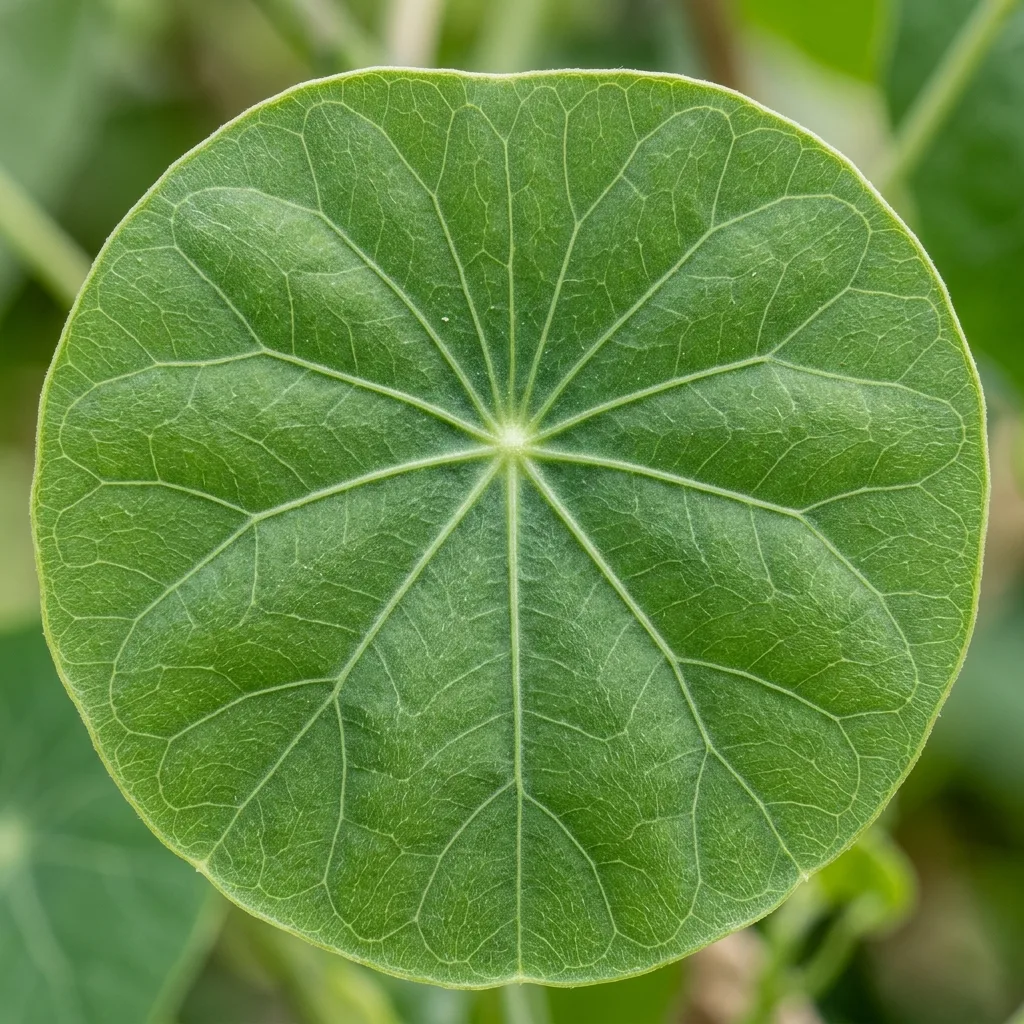
When ambient warmth and ambient humidity indicate the return of the monsoon, dormant apical meristems on the caudex activate, unfurling slender, twining shoots. The emerging foliage exhibits a distinct peltate morphology: the petiole attaches near the center of the leaf blade rather than at its margin. This architectural marvel maximizes 360-degree light harvesting beneath dense forest canopies. However, these leaves possess a thin cuticular wax layer compared to desert succulents, leaving them vulnerable to rapid transpirational moisture loss in dry indoor air. Consequently, Stephania displays a dual physiological requirement: its root zone demands extreme drought tolerance and oxygenation, while its delicate leaves thrive under stable ambient humidity.
2. Diagnostic Signs: Reading Your Caudex’s Cellular Cues
Discerning whether your Stephania craves moisture, environmental rest, or brighter light requires tuning into subtle physiological indicators:
- Spongy or Collapsing Caudex: Gently press the flanks of the caudex. If it yields with a soft, hollow feel under completely dry potting mix, the internal parenchymal cells have experienced a drop in turgor pressure (dehydration). If the substrate is damp and accompanied by a musty odor, the caudex is suffering from anaerobic bacterial or fungal soft rot.
- Etiolated, Leafless Stems: When a vine grows excessively long and spindly with disproportionately long internodes and tiny or absent leaf blades, its chloroplasts are stretching desperately toward an insufficient light source.
- Yellowing and Abscising Foliage: If circular leaves turn golden and drop late in autumn, the plant is naturally shifting into winter dormancy. If this leaf drop occurs mid-summer, it almost invariably points to root anoxia caused by waterlogged substrate.
- Crispy, Blackened Vine Tips: Desiccated apical growth buds typically indicate very low relative humidity, dry air currents from heating vents, or scorching midday solar radiation.
3. Step-by-Step Sprouting and Cultivation Protocol
Whether you have recently acquired an unrooted, imported caudex or are waking an established specimen from its seasonal sleep, follow this verified botanical protocol:
- Orientation and Cleaning: Identify the top and bottom of the caudex. The basal side is typically flatter with remnants of old fibrous roots; the apex often displays concentric growth rings or a small dormant growth eye (meristem). Gently rinse the tuber in lukewarm water, clean off residual field soil with a soft brush, and let it air-dry in a shaded, well-ventilated spot for 24 hours.
- Substrate Seating: Never bury a Stephania caudex deep into the soil. Only the bottom one-third (1/3) should rest in contact with your mineral mix; the remaining two-thirds (2/3) must remain fully exposed above the surface. This single technique eliminates up to 90% of basal rot issues.
- Humidity Dome Induction: Unsprouted caudices require elevated localized humidity to stimulate apical meristems. Invert a transparent glass jar or perforated cloche over the pot to maintain 70–80% relative humidity around the caudex. Vent this enclosure for 15 minutes daily to prevent stagnant mold development.
- Thermal and Photoperiod Stimulus: Position the pot in bright, indirect light (avoid direct midday sun) where temperatures remain steady between 22°C and 26°C (72°F–79°F). Within two to six weeks, a green shoot tip will emerge from the apical meristem.
- Trellising Support: Once the vine reaches 5 to 10 cm (2 to 4 inches), position a circular bamboo hoop or wire trellis nearby. Stephania is an active climber; providing structural support encourages the development of significantly larger, healthier peltate leaf blades.
4. Substrate Formulations and Environmental Parameters
Fine Stephania feeder roots demand continuous oxygen and will rot rapidly in dense, peat-heavy soils. Calibrate your potting mix and microclimate according to the physiological criteria below:
| Component / Parameter | Recommended Ratio / Value | Physiological Purpose |
|---|---|---|
| Fine Pumice / Crushed Lava Rock (2-4 mm) | 40% | Creates vital macro-pores in the rhizosphere for optimal gas exchange. |
| Horticultural Perlite or Zeolite | 20% | Enhances aeration, stabilizes mineral cation exchange, and mitigates rot. |
| Coarse Quartz Sand / Granite Grit | 15% | Improves percolation rates and adds physical stability to the pot. |
| High-Quality Sifted Peat or Coco Coir | 25% | Supplies light moisture retention for delicate hair roots to anchor. |
| Ambient Temperature | 20°C - 28°C (68°F - 82°F) | Supports optimal metabolic enzyme activity and steady vegetative growth. |
| Light Intensity | 10,000 - 20,000 Lux | Bright, filtered light; intense direct midday sun will scorch fragile leaves. |

5. Five Common Pitfalls and Rescue Protocols
- Burying the Entire Caudex: Planting the caudex like a common flower bulb traps moisture against the corky bark, encouraging lethal bacterial decay. Rescue: Unpot the tuber immediately, inspect and excise any soft tissue, treat with sulfur or powdered cinnamon, and repot with two-thirds of the caudex resting cleanly above the mineral line.
- Routine Watering During Dormancy: Assuming a leafless caudex has died and watering it repeatedly is the fastest way to induce rot. Rescue: Halt all watering immediately, verify the tuber is still firm, move the pot to a cool, dry room (around 15°C / 59°F), and leave it undisturbed until spring meristem activation.
- Pruning Emerging Vines: Trimming the first skinny vine because it looks untidy robs the tuber of its only photosynthetic factory, preventing it from replenishing spent starch reserves. Rescue: Never prune healthy green vines; simply direct them onto a trellis or loop them gently around an artistic wire frame.
- Misting Leaves in Stagnant Indoor Air: Spraying the thin foliage directly with a spray bottle in rooms with low air circulation invites fungal leaf spotting. Rescue: Keep foliage dry; boost local relative humidity safely using a pebble tray or an ultrasonic cool-mist humidifier placed nearby.
- Fertilizing Rootless Caudices: Applying chemical nutrients to a freshly planted, unrooted caudex chemically burns nascent feeder roots. Rescue: Withhold all fertilizer until multiple leaves are fully expanded; then, use only a quarter-strength balanced liquid fertilizer high in potassium once a month during peak summer.
6. Seasonal Management and Annual Rhythm
Cultivating Stephania with long-term success requires aligning your care with its natural seasonal cycle:
- Spring (Awakening): As daylight lengthens and ambient temperatures rise in March and April, initiate light bottom watering around the edge of the pot. Once apical buds break, move the container to a bright, warm location.
- Summer (Active Vegetative Phase): May through August brings peak leaf production. Water thoroughly when the top half of the gritty substrate dries out completely. Feed monthly with half-strength, low-nitrogen succulent fertilizer.
- Autumn (Dormancy Preparation): Leaves will begin yellowing naturally in September and October. Systematically taper off watering. Allow spent foliage to dry and drop on its own; during this phase, valuable mobile nutrients are drawn back from the leaves into the caudex.
- Winter (Full Dormancy): From November to February, the plant rests leafless. Keep the substrate nearly bone-dry. If the caudex exhibits noticeable wrinkling due to dry indoor heating, apply a few tablespoons of water along the pot's rim once a month. Maintain cool, stable temperatures around 15–18°C (59–64°F).


Reader Reviews & Comments 3 Reviews
Marcus Sterling
Julian Vance
Clara Higgins
Leave a Review & Rating
Share your plant care tips, experiences, or questions with our succulent community.