



SPONSORED
Succulent Varieties

Graptoveria 'Fred Ives' Succulent Care Guide: Chameleon Leaves & Cultivation Secrets

A majestic hybrid of *Graptopetalum paraguayense* and *Echeveria gibbiflora*, *xGraptoveria* 'Fred Ives' captivates collectors with its shifting palette of bronze, salmon, and violet. This definitive guide reveals its root biology, soil architecture, and step-by-step propagation secrets.

Rıfat Özkan
Rıfat Özkan
Plant Care Specialist
28 Oct 2026 • 5 min read
Share: Pinterest
Save Graptoveria 'Fred Ives' Succulent Care Guide: Chameleon Leaves & Cultivation Secrets
Graptoveria 'Fred Ives' Succulent Care Guide: Chameleon Leaves & Cultivation Secrets

Introduction: The Jewel of the Desert

Imagine welcoming into your home the genetic legacy of two noble succulents that brave the howling winds and scorching sun of Mexico's sheer limestone cliffs... That's the xGraptoveria 'Fred Ives', a mesmerizing hybrid born from the union of *Graptopetalum paraguayense* (Ghost Plant) and *Echeveria gibbiflora*.

This botanical beauty is more than just a pretty face; its captivating foliage shifts colors dramatically with sun exposure, from deep bronze to vibrant salmon, and even hints of violet. Its resilience and striking appearance have made it a favorite among both novice and seasoned succulent enthusiasts. This guide will delve into the secrets of cultivating a thriving 'Fred Ives', unlocking its full potential to dazzle you with its chameleon-like leaves.
SPONSORED
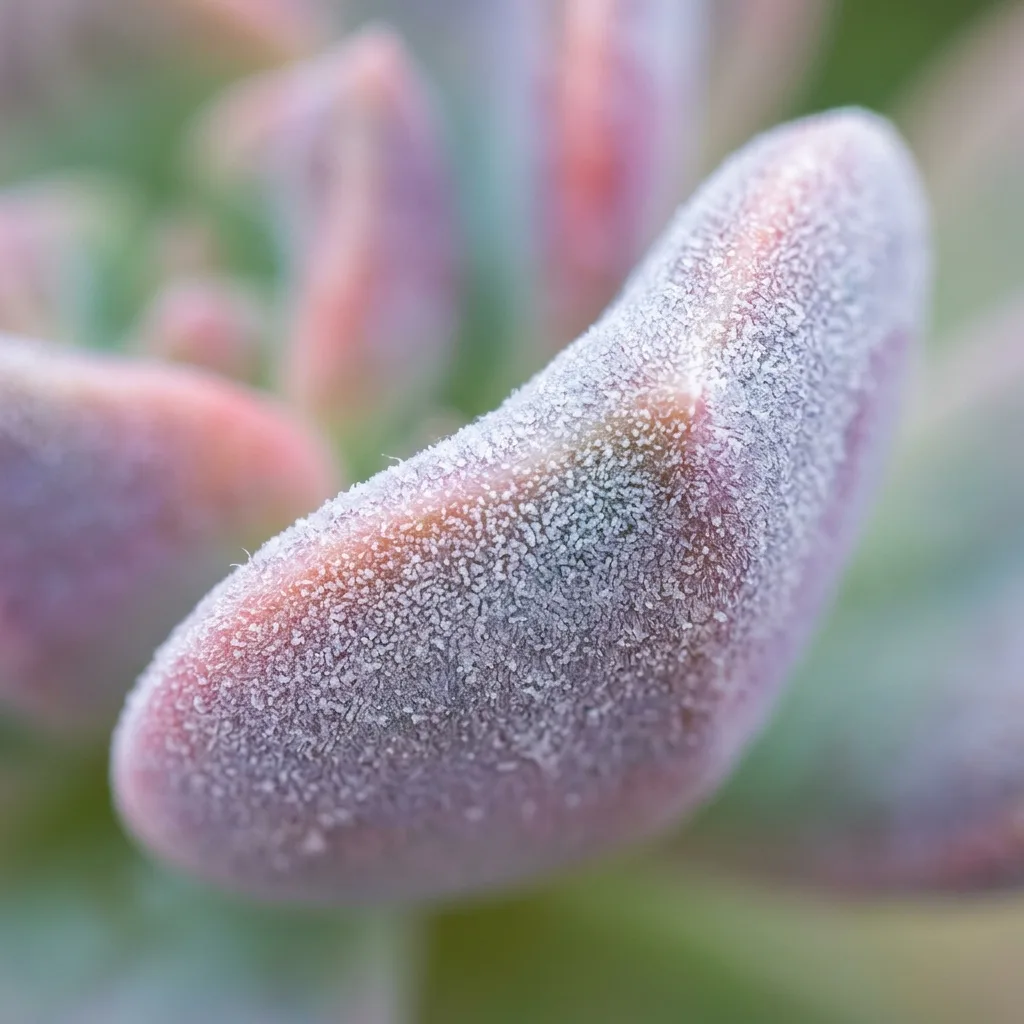
Graptoveria
🔍 Botanical Detail: Characteristic leaf form, surface texture, and morphological features.

Understanding the 'Fred Ives'

Before diving into care, it is essential to appreciate the plant's unique biology. This hybrid inherits characteristics from both parent species, making it a robust and adaptable succulent. 'Fred Ives' forms rosettes of fleshy leaves that can grow quite large, making it a statement piece in any collection. Its resilience is partly due to its ability to store water within its leaves, allowing it to withstand periods of drought. Its color changes are a fascinating adaptation, a response to sunlight (sun stress) and temperature.

Successfully cultivating this gem involves understanding its fundamental needs and mirroring its natural habitat as closely as possible.
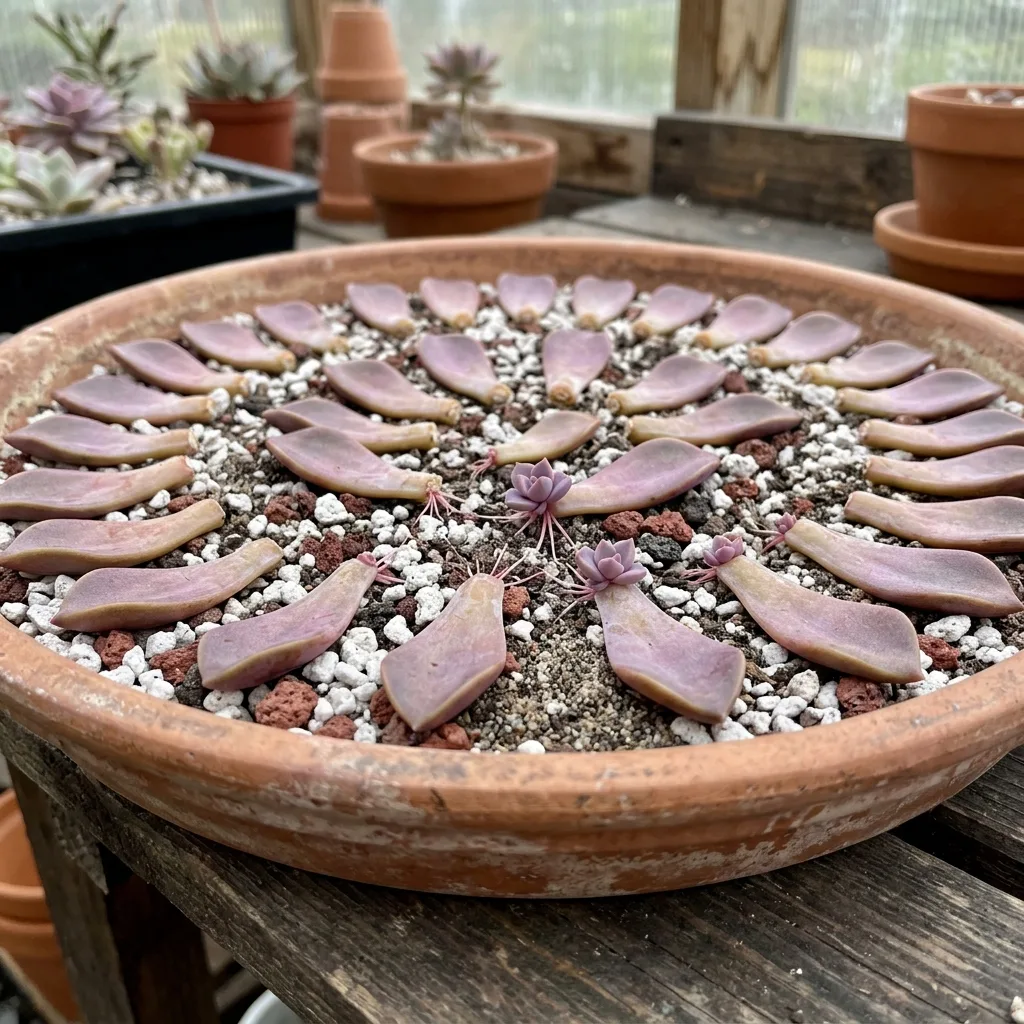
Graptoveria
🌱 Care in Action: Healthy root development, repotting, and propagation steps.

Ideal Growing Conditions: Light, Soil, and Water

Sunlight: The Key to Color

Sunlight is the artist that paints 'Fred Ives' leaves. The more sun it receives, the more intense its colors will be. Aim for at least 6 hours of direct sunlight daily, but be mindful of intense afternoon sun in hot climates, which can scorch the leaves. If the plant is kept indoors, a south-facing window is ideal.

If you observe signs of sunburn (white or brown patches on the leaves), gradually acclimate the plant to more sunlight or provide some afternoon shade. Conversely, insufficient light results in etiolation – the plant stretches out, leaves become spaced apart, and colors fade.

SPONSORED

Soil: The Foundation of Growth

The right soil is crucial. 'Fred Ives' thrives in a well-draining succulent mix. This type of soil is designed to allow excess water to drain quickly, preventing root rot, the silent killer of succulents. A good mix typically comprises:

  • 40-50% inorganic components (pumice, perlite, coarse sand, or gravel)
  • 50-60% organic components (potting soil or coco coir)

You can also create your own mix by combining these components. The exact ratio can be adjusted based on your local climate and watering habits. Porous soil is a must for healthy roots!

Watering: The CAM Pathway

'Fred Ives' uses Crassulacean Acid Metabolism (CAM) photosynthesis, a water-conserving adaptation. It takes up carbon dioxide at night and stores it for photosynthesis during the day. This implies that the plant is efficient with water, requiring less frequent watering. Water deeply when the soil is completely dry, and then allow it to dry out again before watering again.

During the growing season (spring and summer), you might water every 1-2 weeks, while in the dormant season (fall and winter), watering may be reduced to once a month or less. Always check the soil moisture before watering.

Tip: If you are unsure whether to water, it is better to err on the side of underwatering. The plant Analyzing botanical characteristics, focusing on the Crassulaceae family and the intergeneric hybrid's morphology, specifically rosette diameter and farina's role for UV protection. Light requirements are critical, emphasizing direct sunlight and the defense against etiolation. Considering the "soak and dry" watering method, CAM photosynthesis and soil-moisture checking are key to preventing crown rot. The soil mix, including proportions of pumice, lava rock, zeolite, coco peat, and worm castings, plays a significant role, along with pot selection. Propagation techniques will be important. { "title": "Graptoveria 'Fred Ives' Succulent Care Guide: Chameleon Foliage and Cultivation Secrets

Save on Pinterest

Follow us on Pinterest for daily succulent inspiration and plant care hacks.

Save

Frequently Asked Questions

The brilliant rainbow coloration is an anthocyanin stress response triggered by three environmental factors: strong, direct morning and late-afternoon sunlight (5–6 hours minimum), crisp diurnal-nocturnal temperature fluctuations of 10–15°C (18–27°F) in autumn, and a mild, controlled drought between watering sessions.
No. Fred Ives is not cold-hardy and is rated primarily for USDA Zones 9a through 11. While it can withstand brief, dry dips to 0°C (32°F) if its substrate is completely desiccated, sustained frost or sub-freezing temperatures will freeze its water-filled leaf cells, causing immediate, irreversible cellular collapse and liquefaction.
Translucent, mushy, watery yellow leaves are the classic symptom of overwatering and root asphyxiation, indicating cellular over-saturation and early rot. In contrast, natural leaf reabsorption looks dry, papery, and brittle. Cease watering immediately, inspect the root system for rot, and switch to a high-pumice substrate.
Fred Ives exhibits remarkable hybrid vigor inherited from Graptopetalum paraguayense, growing considerably faster than most pure Echeveria species. Under bright sunlight and well-managed soak-and-dry watering, a single leaf propagation or small offset can develop into a full 20–30 cm (8–12 inch) mature rosette within a single extended growing season.
Stems require bright, indirect sunlight and adequate warmth to stimulate dormant lateral meristem buds. If the stem is kept in dark conditions, overwatered without root foliage to process moisture, or if the cutting was performed during winter dormancy, bud emergence may stall. Place the stem in bright light and lightly water only around the root perimeter.
SPONSORED
Rıfat Özkan
Content Specialist & Author Plant Care Specialist

Rıfat Özkan

Botanical researcher and succulent enthusiast crafting science-backed, practical care and propagation guides to help your indoor plants thrive.

Reader Reviews & Comments

Reader Reviews & Comments 4 Reviews

4.8
★ ★ ★ ★ ★
Average Rating
David Miller 🌱

David Miller

Verified Reader
★ ★ ★ ★ ★
The custom substrate breakdown with specific percentages of pumice, lava rock, and zeolite changed everything for me. My plant had been stalled in heavy nursery peat, but within four weeks of repotting into this porous mineral mix, it put out massive new growth and the roots are brilliantly healthy.
Eleanor Vance 🌱

Eleanor Vance

Verified Reader
★ ★ ★ ★ ★
The level of botanical detail here is exceptional! I never understood the scientific purpose of the farina wax until reading this guide. I stopped wiping my succulents' leaves, and my Fred Ives developed the most breathtaking lavender-salmon hue on my south-facing deck this autumn.
Clara Higgins 🌱

Clara Higgins

Verified Reader
★ ★ ★ ★ ★
Beheading my etiolated Fred Ives felt terrifying, but the step-by-step instructions gave me the confidence to take the leap. Just three weeks later, my rooted crown is thriving and the old stem has produced four tiny, perfect baby rosettes! Highly recommend this guide.
Marcus Sterling 🌱

Marcus Sterling

Verified Reader
★ ★ ★ ★ ★
Fantastic, authoritative resource on CAM watering and light management. The seasonal care tips for avoiding summer heat stagnation were exactly what I needed living in Texas. An indispensable reference for any serious succulent grower.
Continue Reading

Leave a Review & Rating

Share your plant care tips, experiences, or questions with our succulent community.

5 / 5 - Harika!
Bot Verification Question

🪴 3 succulents + 2 cacti = how many plants? (number)

Continue Reading

Related Articles

SPONSORED
Member Member Member Rıfat Özkan
Growing Together with 12,000+ Plant Lovers

Weekly Succulent Newsletter

Receive expert plant tips, watering schedules, and rare species care straight to your inbox.

🔒 Zero Spam • Once weekly digest • Unsubscribe with one click anytime.

🌱
Botanical Tip of the Day Verified Botanical Fact

Wait until soil is completely dry: Succulents perish from overwatering, rarely from drought! 🌿