






Having subsisted on muted light along an indoor windowsill throughout the winter months, your cactus yearns for the vibrant open air, gentle breezes, and unfiltered solar spectrum as spring unfolds. Yet, the untamed outdoor world presents formidable physiological challenges nonexistent in the sterile shelter of a living room: unfiltered ultraviolet (UV) radiation, dramatic diurnal temperature shifts, and sudden torrential downpours. A cactus abruptly hauled from a dim interior corner directly onto a scorching balcony can scorch at the cellular level within hours—much like fair human skin thrust onto an equatorial beach without sunblock.
The most widespread misconception among plant enthusiasts is assuming that a cactus's native desert resilience remains eternally vigilant behind windowpane glass. In truth, chlorophyll pigments unaccustomed to raw UV light suffer sudden photo-oxidation, resulting in permanent, chalky-white or bronze necrotic scars across the epidermis. You can—and certainly should—move your cacti outdoors; however, doing so requires honoring their biological laws and orchestrating a gentle, stepwise acclimation protocol.
1. Taxonomic Identity, Areole Architecture, and Spine Morphology
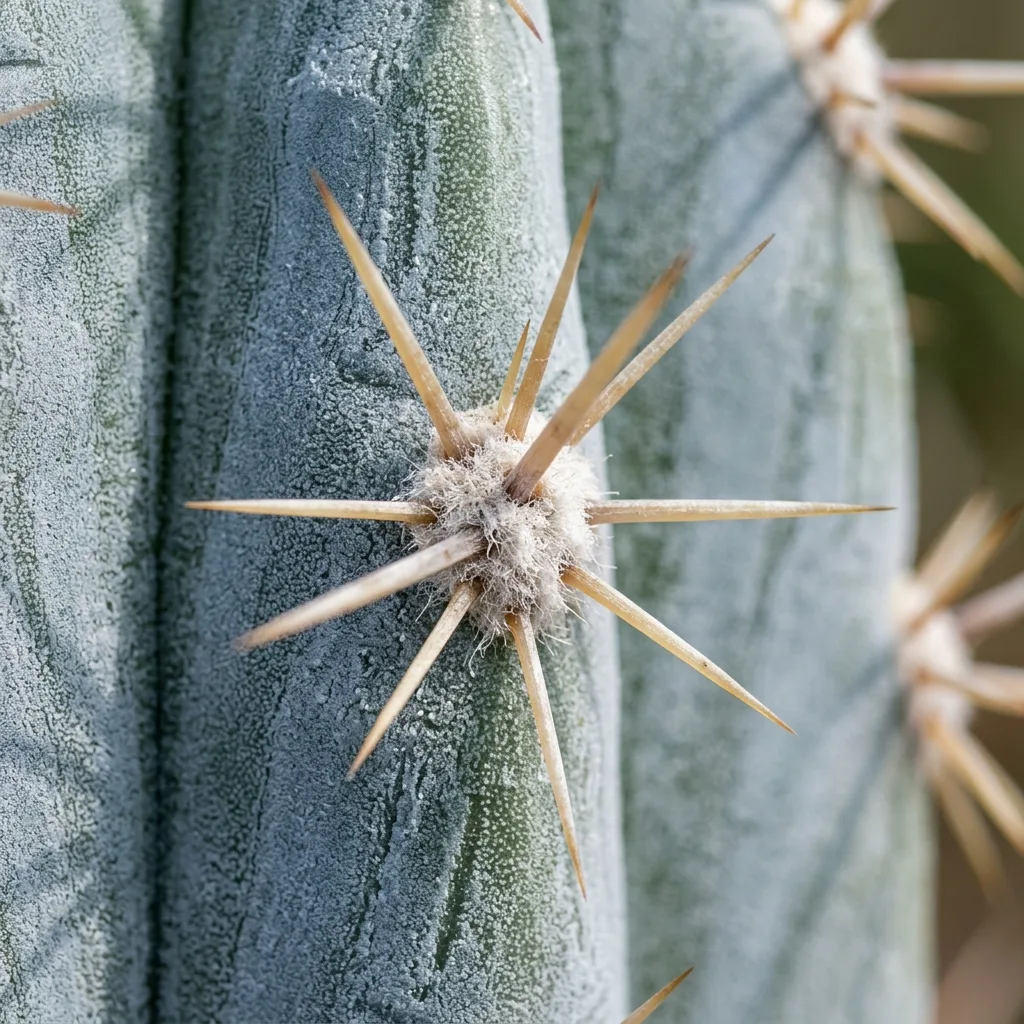
Before moving any cactus outdoors, one must decipher its taxonomic heritage and morphological defenses. The defining anatomical hallmark separating the family Cactaceae from all other succulent plant groups is the areole. Areoles are specialized, condensed meristematic growth nodes from which spines, glochids, trichome hairs, lateral branches, and floral buds emerge. Under open sky, the spine architecture emerging from these areoles becomes an indispensable survival apparatus.
Columnar and globular cacti native to the Sonoran Desert or Mexican highlands (such as Carnegiea gigantea, Echinocactus grusonii, or diverse Ferocactus species) produce dense, stout radial and central spines that project protective micro-shadows onto their own dermis. These spines also create an insular boundary layer of still air that prevents dry, gale-force winds from desiccating internal water stores. Conversely, tropical cacti inhabiting the dappled forest canopies of Brazil and Central America as epiphytes (such as Schlumbergera [Holiday Cactus], Epiphyllum, or Rhipsalis) will literally parboil and collapse if placed on an exposed outdoor terrace under full sun. While desert species can adapt to intense outdoor sunlight through methodical conditioning, jungle cacti demand bright, filtered shade and elevated relative humidity outdoors.
2. Light Exposure, Solar Radiation Intensity, and Airflow Dynamics
Modern residential windowpanes (particularly Low-E double glazing) filter out more than 90% of atmospheric UV-B radiation. After months sheltered behind this invisible barrier, a cactus relaxes its internal photoprotective mechanisms. Sudden exposure to an open balcony or garden patio inundates its photosynthetic machinery with an unmanageable photon overload, triggering photo-oxidation. The cellular chlorophyll degenerates, displaced by protective stress pigments known as anthocyanins (causing the skin to flush red or purple), ultimately culminating in irreversible chalky-white tissue necrosis.
To transition an indoor cactus outdoors without thermal trauma, adhere strictly to this 14-Day Stepwise Acclimation Protocol:
- Days 1–3: Position the cactus outdoors in a bright, sheltered location receiving zero direct sunlight—such as a north-facing porch, breezeway, or beneath a deep awning where free air circulates gently.
- Days 4–7: Advance the specimen to receive solely gentle, early-morning sun (between 08:00 and 10:30). Provide absolute shade from harsh midday and early afternoon rays.
- Days 8–11: Extend direct exposure up to 11:30, or position the plant behind a 50% shade cloth to screen the strengthening solar intensity.
- Day 12–14 and Beyond: Having thickened its cuticular wax layer and synthesized endogenous photoprotective pigments, desert cacti can now be settled into their permanent outdoor home, reveling in 6 to 8 hours of direct daily sunlight.
The premier advantage of an outdoor stay is continuous air circulation. Moving air continuously strips away heat from the ribbed epidermal surface and substantially improves the carbon dioxide uptake efficiency during nocturnal CAM (Crassulacean Acid Metabolism) respiration.
3. Outdoor Hydration Dynamics and the Critical Dormancy Phase
An outdoor cactus consumes water at three to four times the rate of an indoor specimen. Ambient breezes, natural heat, and direct solar irradiance cause potting substrate moisture to vaporize rapidly. While this greatly diminishes the chronic indoor threat of root rot, it introduces an opposing danger: root hair desiccation, where the finest feeder roots shrivel and die from severe dehydration.
The golden rule for outdoor watering remains the 'drench-and-drought' cycle. Once you have verified that the substrate is entirely dry throughout its depth, saturate the pot until copious water flows freely through the drainage holes. Crucially, never water during the heat of midday. Water droplets lingering on the epidermis or within areole depressions act as miniature optical lenses under intense sun, magnifying light rays and scorching cellular tissue. Water exclusively during the golden hour of twilight or in the crisp, early coolness of dawn.
As late summer yields to autumn, the management protocol reverses. Once night temperatures drop consistently toward 10°C (50°F), cacti downregulate CAM metabolic pathways in preparation for winter rest (dormancy). The outdoor autumn regimen requires precise action:
- Gradually taper watering intervals starting in late September.
- Halt all watering entirely by mid-October. The lethal pairing of cold temperatures and moisture leaves dormant root tissue utterly vulnerable to systemic fungal decay.
- In frost-free temperate maritime zones, cold-hardy species can overwinter outdoors provided they remain completely sheltered from precipitation. In continental or colder temperate climates, bring all specimens indoors to a bright, unheated room maintained at 5–10°C (41–50°F) before the first frost arrives.
4. Mineral-Dominant Substrate and Container Architecture
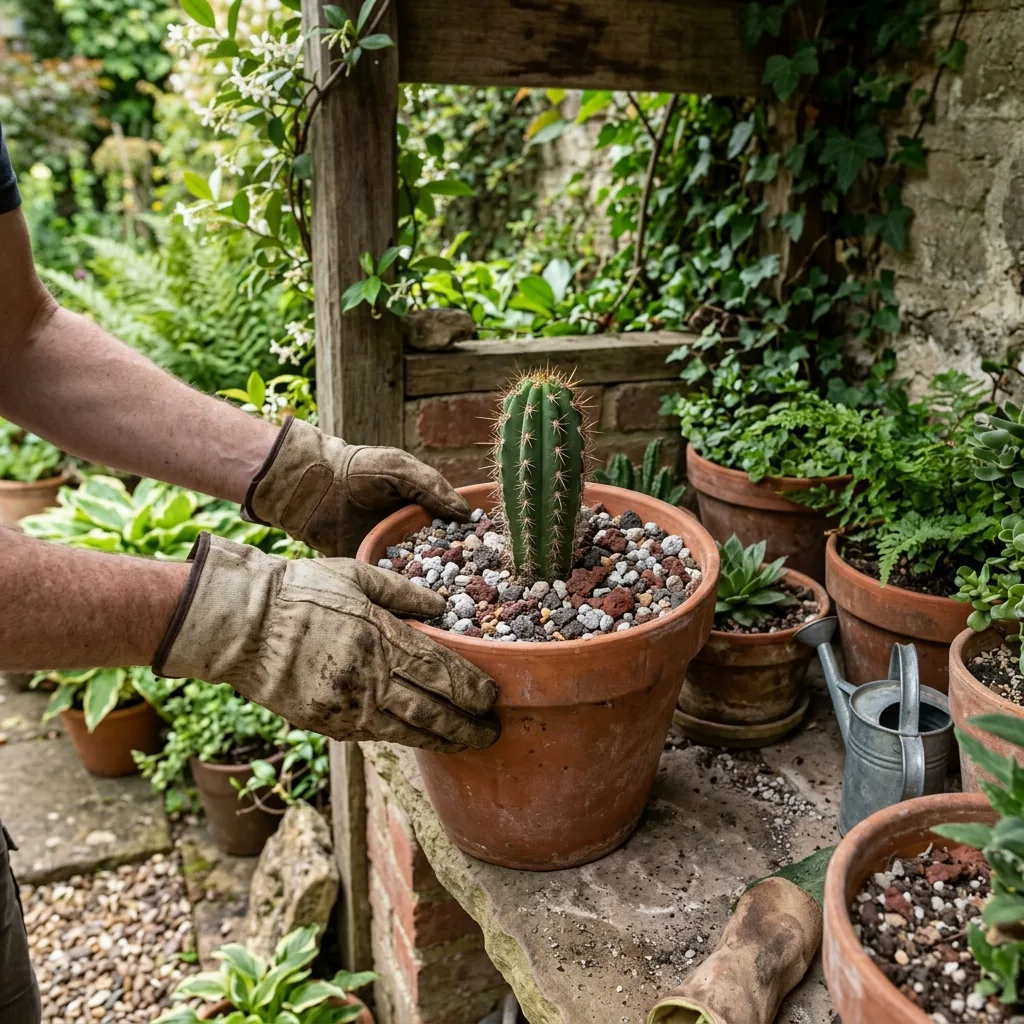
The outdoor longevity of any cactus hinges entirely on how rapidly excess water evacuates the container. Given the volatile moisture fluctuations of an open-air environment, peat-rich, organic store-bought potting soils prove catastrophic: they morph into soggy, air-deprived mud during rainstorms, yet bake into hydrophobic, rock-hard blocks during dry spells. Consequently, outdoor cacti mandate a heavily inorganic, porous mineral substrate.
| Substrate Component | Ratio (%) | Botanical & Physical Function |
|---|---|---|
| Pumice (3–6 mm / 1/8"–1/4") | 40% | Provides sustained cellular aeration; guarantees root zone oxygenation. |
| Lava Rock (Scoria) | 25% | Releases vital trace minerals; adds structural ballast to prevent pots toppling in wind. |
| Coarse Horticultural Sand / Zeolite | 15% | Enhances rapid water percolation, binds toxins, and accelerates drainage. |
| Screened Coir or Organic Peat | 15% | Supplies a baseline organic matrix for delicate capillary feeder roots. |
| Horticultural Biochar (Activated Charcoal) | 5% | Inhibits soil-borne pathogens and fungal spore proliferation under wet conditions. |
Regarding containers, unglazed, breathable terracotta pots are peerless for outdoor culture. Terracotta's micro-porous walls facilitate continuous lateral moisture evaporation, keeping root zones cooler during scorching heatwaves. In contrast, dark plastic containers absorb intense solar radiation, heating root zones to lethal temperatures exceeding 50°C (122°F) and essentially stewing delicate roots alive. Ensure your container features generous drainage ports, and avoid outdoor saucers entirely so water never stagnates beneath the root ball.
5. Floral Induction Strategies and Nutritional Support
The primary reason indoor cacti rarely bloom is the unbroken monotony of stable domestic room temperatures and chronically low light levels. Moving cacti outdoors is the single most potent stimulus to unlock their reproductive cycle. Floral bud differentiation is initiated through the synergistic contrast of a cold, bone-dry winter dormancy followed by exposure to radiant outdoor light and pronounced diurnal temperature shifts (thermoperiodism).
Experiencing day temperatures of 28–30°C (82–86°F) paired with crisp night drops down to 15–18°C (59–64°F) enables the cactus to efficiently metabolize photosynthetic sugars produced during daylight. This natural thermal rhythm sends an unmistakable hormonal signal triggering floral initiation. From late spring through mid-summer, nourish actively growing outdoor cacti once a month with a specialized low-nitrogen, high-phosphorus, and high-potassium liquid fertilizer (such as NPK 5-10-15 or 4-8-12) diluted to half-strength. Avoid high-nitrogen fertilizers, which induce watery, bloated cellular expansion that leaves the plant exceptionally vulnerable to insect predation and wind damage.
6. Propagation, Callusing, and Grafting Outdoors
The outdoor growing season represents the optimal biological window for vegetative propagation and taking cuttings. Abundant solar energy and pristine air circulation dramatically accelerate the formation of protective scar tissue (callus) over open wounds, suppressing opportunistic mold spores.
- Harvesting Offsets and Outdoor Callusing: Sever a vigorous offset or stem pad using a flame-sterilized scalpel. Rather than keeping the severed cutting in full sunlight, stage it in a bright, bone-dry, shaded outdoor area with steady air movement. The open breeze will cure the wounded parenchymal tissue into a tough, silken, silver-gray callus within 4 to 7 days. Once callused, seat the cutting into lightly moistened mineral grit, where outdoor warmth will prompt rapid adventitious root emergence.
- Open-Air Grafting Protocols: When grafting chlorophyll-deficient or slow-growing cultivars (such as variegated or ruby Gymnocalycium mihanovichii) onto vigorous rootstock like Hylocereus, shield the union from both direct sunlight and moisture for the first 10 days. Once the vascular rings fuse completely, the grafted specimen will thrive with unprecedented vigor fueled by the outdoor light spectrum.
7. Defending Against Fungal Pathogens and Open-Air Pests
While moving cacti outside invigorates growth, it also introduces outdoor pests rarely seen inside the home. Spider mites (Tetranychidae), armored scale insects, and mealybugs can establish colonies under open-air conditions. Inspect your plants weekly, examining areole clusters, ribbed crevices, and the vulnerable root-stem collar.
If you encounter focal yellowing, structural softening, or black sunken lesions near the substrate line, you are dealing with collar rot (frequently caused by Fusarium or Phytophthora fungi) exacerbated by saturated soil. At the first sign of decay, unpot the specimen immediately, excise all necrotic tissue with a sterile blade, dust the exposed margin with pure sulfur powder, and allow the bare-root plant to dry in outdoor shade. As a prime preventative measure, always dress the soil surface with a 1 cm (0.5 in) layer of coarse pumice or lava rock top dressing; this structural barrier prevents damp soil and fungal spores from splashing onto the green plant tissue during heavy watering.


Reader Reviews & Comments 3 Reviews
Julian Vance
Clara Higgins
Marcus Sterling
Leave a Review & Rating
Share your plant care tips, experiences, or questions with our succulent community.