






The visual poetry of sculptural cacti gracing a sun-drenched windowsill alongside an inquisitive dog bounding joyfully through the living room represents both pure bliss and subtle anxiety for passionate indoor gardeners. As evolutionary marvels hailing from the arid stretches of the Sonoran Desert and the sun-baked valleys of Mexico, members of the Cactaceae family bring the serene resilience of wilderness right into our homes. Yet, the instant our loyal companions stretch their noses forward to investigate, sniff, or tentatively nibble an enticing stem, an urgent question arises: Are cacti poisonous to dogs?
Let us put your mind at ease straight away: The vast majority of true cacti (family Cactaceae) do not produce systemic, chemically lethal toxins dangerous to dogs. However, this physiological reality does not mean these desert survivors are completely innocuous for your four-legged family members. A cactus relies on mechanical defense structures rather than chemical deterrence; therefore, the true hazards stem from microscopic barbed bristles, physical puncture trauma, and deceptive, toxic succulents frequently misidentified as cacti.
1. Taxonomic Identity, Areole Architecture, and Spine Morphology
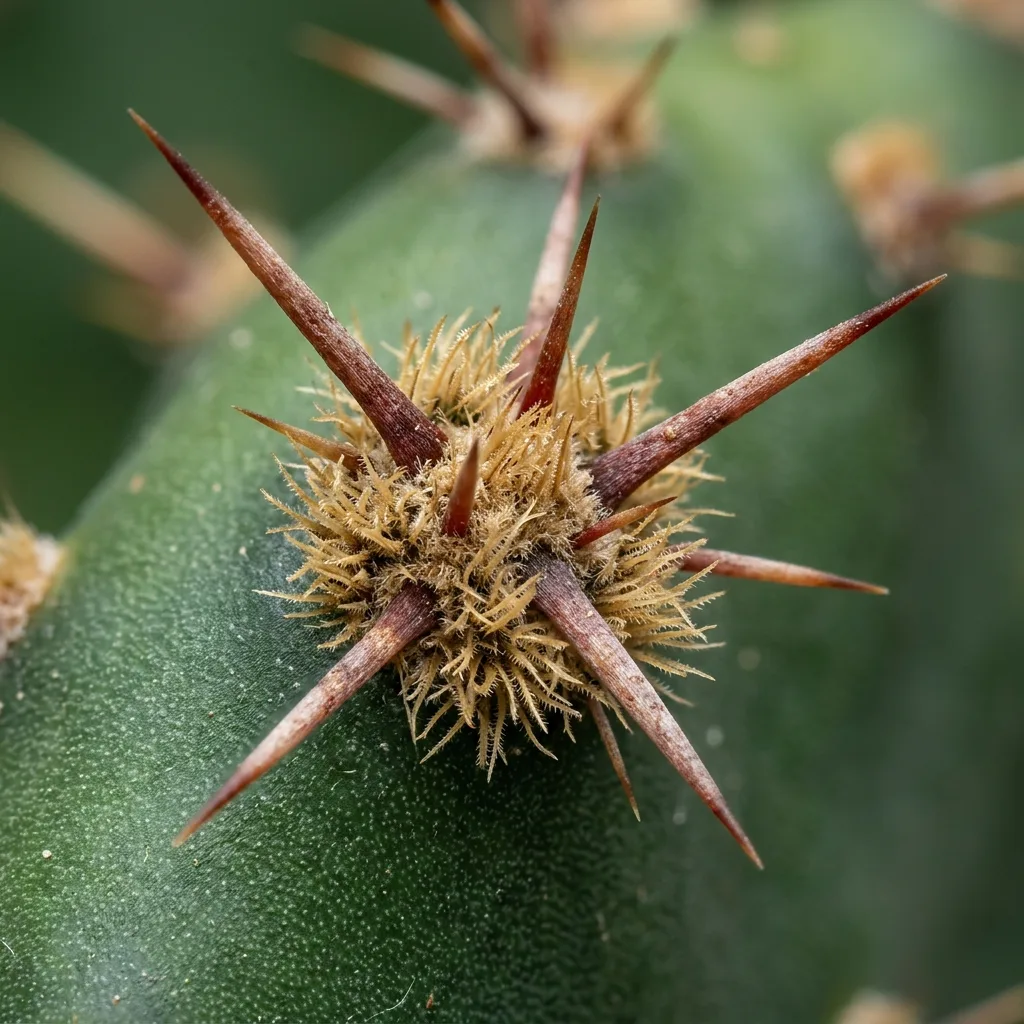
In everyday horticultural jargon, the most common pitfall is categorizing every thorny, fleshy succulent as a cactus. Botanically, the definitive anatomical structure distinguishing a true cactus from other xerophytic plants is the presence of 'areoles'—specialized, highly condensed vegetative bud cushions. Areoles are modified, condensed lateral branches from which a cactus produces spines, bristles, flowers, and new adventitious shoots.
From a canine health perspective, the specific morphological classification of these spines determines the mechanical risk profile:
- Macro Spines (Radial and Central Spines): Prominently seen in genera such as Echinocactus and Ferocactus, these are rigid, lignified modified leaves. When a curious dog nudges or steps on them, they produce acute focal pain but can usually be extracted cleanly as a single unit. However, deep epidermal punctures carry the risk of carrying environmental bacteria deep into the tissue, inviting secondary abscesses.
- Glochids (Microscopic Barbed Bristles): Predominantly found in the genus Opuntia (Prickly Pears, Bunny Ears), glochids are clusters of hundreds of minuscule, hair-like bristles nestled in the areole base. Under electron microscopy, glochids display sharp, retrogradely angled barbs (serrations). If a dog licks or bites these pads, glochids detach immediately and anchor into mucosal tissue, the tongue, or the palate, triggering intense tissue inflammation, persistent licking, and painful ulceration.
- Toxic Impostors (The Euphorbia Hazard): Succulent species that closely mimic true cacti through convergent evolution—such as Euphorbia trigona (African Milk Tree) or Euphorbia ingens—belong to the spurge family (Euphorbiaceae). They lack areoles and exude an opaque, caustic white latex when punctured. This sap contains diterpene esters that are severely toxic to dogs, causing acute chemical burns of the mouth, severe gastrointestinal distress, vomiting, and temporary corneal blindness upon ocular contact.
2. Light Exposure, Photoperiod Management, and Spatial Airflow
True desert cacti thrive in high-intensity solar environments, typically demanding the coveted south- or west-facing windowsills of our homes. Coincidentally, these expansive, warm zones are prime real estate for dogs seeking sunspots for naps and monitoring outdoor activity. Balancing the 5 to 6 hours of unfiltered, direct sunlight essential for cactus metabolic health with canine safety requires proactive spatial choreography.
Etiolation—the structural stretching, thinning, and paleness of a cactus deprived of sufficient light—compromises the plant's structural integrity, turning tough dermal tissues into soft, easily shredded vegetative matter that an inquisitive pup can chew apart effortlessly. In contrast, an optimally sunlit specimen builds a robust, thick cuticle and protective epicuticular farina wax layer, acting as a natural mechanical barrier. Elevate your cacti well beyond your dog's inquisitive nose and wagging tail by utilizing sturdy macramé hanging planters, floating architectural shelves, or tall pedestals, securing unhindered air circulation without creating collision zones.
3. Desert Hydrology and the Crucial Winter Dormancy Protocol
Cactus irrigation mimics the strict hydrological realities of the desert: an intense, intermittent downpour followed by rapid drainage and prolonged dryness. Frequently trickling water onto cacti is not an expression of care; it deprives the root zone of vital oxygen, suffocating delicate root hairs. During the spring and summer active growth seasons, irrigate thoroughly only when the substrate has dried out completely, and always empty excess runoff from collection saucers. Curious dogs frequently drink stagnant drainage water, which can be heavily laden with accumulated salts, minerals, and residual fertilizer that upset their digestive systems.
Throughout the late autumn and winter months (November through February), temperate cacti enter an obligate dormancy period when ambient temperatures cool to 50–55°F (10–12°C). During dormancy, Crassulacean Acid Metabolism (CAM) slows drastically, and watering should virtually cease (monthly or omitted entirely). A resting cactus can appear slightly dehydrated or shrunken as cellular turgor drops. House your dormant specimens in a cool, quiet, low-traffic conservatory, enclosed sunroom, or elevated safe corner well away from your dog's daily play paths.
4. Highly Porous Mineral Substrates and Sturdy Potting Dynamics
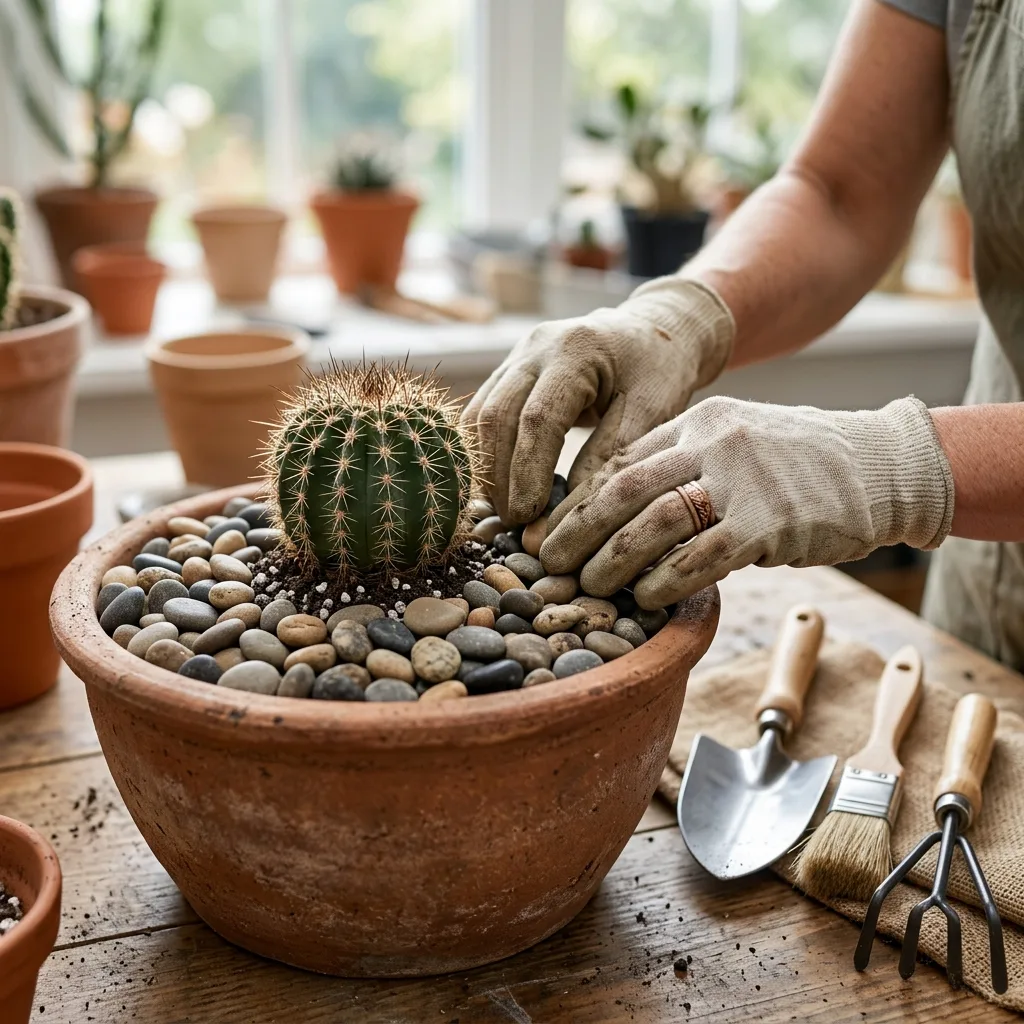
Dogs are naturally inclined to investigate moist soil aromas and dig into rich organic matter. Conventional, peat-heavy potting mixes sold commercially not only encourage catastrophic root rot in xerophytes, but their damp, earthy fragrance actively entices canine exploratory digging. Formulating an ultra-porous, predominantly inorganic, free-draining substrate maintains optimal root xylem oxygenation while eliminating the rich organic smells that trigger a dog's digging instincts.
| Substrate Component | Ratio (%) | Botanical Function & Benefit |
|---|---|---|
| Horticultural Pumice (3–6 mm) | 40% | Provides superior macroporosity, aerating root parenchyma |
| Crushed Lava Rock / Zeolite | 25% | Enhances cation-exchange capacity and rapid drainage velocity |
| Coarse Horticultural Sand / Quartz | 15% | Prevents compaction and recreates native desert substrate structure |
| Sterile Coconut Coir (Washed) | 20% | Supplies the minimal organic base required for root hair anchoring |
To guard against energetic tail wags or accidental room zoomies, plant your cacti in heavy, wide-based, unglazed terracotta or thick stoneware planters. The added ballast prevents inadvertent tipping, and the natural porosity of terracotta encourages evaporation through the pot walls.
5. Blooming Dynamics, Micro-Areoles, and Pet-Safe Nutrition
When spring arrives, many desert genera—such as Mammillaria, Rebutia, and Gymnocalycium—produce vivid, neon-toned floral displays that inevitably attract the eyes of curious household pets. Cactus blossoms themselves are completely non-toxic; the danger lies in the dog burying its snout into the plant to smell the bloom, colliding head-on with surrounding defensive areoles.
To support flowering without compromising pet safety, apply a balanced, low-nitrogen, high-phosphorus liquid mineral fertilizer specifically designed for cacti at half strength during early spring. Never use organic animal-derived fertilizers such as bone meal, blood meal, or fish emulsion in a home with dogs. The residual biological scents of these organic amendments can drive a dog into an instinctive frenzy, prompting them to chew through the prickly stem or excavate the pot in search of buried food. Odorless mineral formulations are the gold standard for pet-friendly plant keeping.
6. Safe Propagation, Callus Formation, and Grafting Precautions
Propagating cacti via stem cuttings or removing clonal offsets ('pups') requires strict workspace segregation. Once a cutting is harvested with a sterilized blade, it must rest in a dry, ventilated, shaded area for 5 to 10 days to develop a firm, lignified 'callus' over the wound before planting, preventing vascular bacterial invasion.
To a playful dog, small detached offsets, spherical cuttings, or severed pads look remarkably like loose rolling balls! If swallowed, these spiny botanical fragments present acute risks of mechanical impaction, esophageal lacerations, and intestinal perforation. Conduct all grafting, pruning, and division tasks in a closed room inaccessible to your pet, and cure drying cuttings on high, secured drying screens far out of reach.
7. Mitigating Fungal Pathogens and Necrotic Tissue Hazards
When subjected to overwatering and anaerobic conditions, cacti succumb quickly to fungal pathogens such as Fusarium oxysporum or Phytophthora species. As basal rot takes hold, the epidermis softens, turning into a discolored, mushy mass. Decomposing plant matter yields an unwholesome, putrid odor that can entice dogs to lick or chew the compromised tissues, predisposing them to bacterial or fungal gastroenteritis.
If you detect a soft, brown lesion at the soil line, immediately isolate the specimen away from your dog. Using an autoclaved scalpel, excise all necrotic tissue into clean, healthy green flesh, dust the cut surface with pharmaceutical-grade sulfur or ground cinnamon (a natural antifungal), and withhold all moisture during recovery in a secure quarantine space.
Emergency First Aid: What to Do If Your Dog Encounters a Cactus
If curiosity gets the better of your companion despite precautions, remain calm and execute this systematic triage protocol:
- Extracting Macro Spines: Using fine-tipped, sterilized tweezers or surgical forceps, grasp the base of the spine as close to the skin as possible. Pull steadily outward at the exact entry angle to avoid snapping the spine beneath the dermis. Never squeeze the surrounding skin with your fingers, as this drives the barb deeper.
- Managing Glochid Embedment (The Adhesive Tape Method): Attempting to tweeze hundreds of microscopic glochids individually is impractical and distresses the animal. Instead, gently press heavy-duty medical tape or duct tape over the affected area, then peel it back smoothly against the direction of hair growth to lift out the bristles.
- Oral Cavity Inspection: If your dog has chewed a pad, shine a small flashlight into its mouth to inspect the tongue, gingiva, and hard palate. If you observe deeply embedded spines or swelling, do not attempt aggressive extraction at home. Transport your dog to an emergency veterinary clinic where the oral cavity can be cleared safely under mild sedation.
- Antiseptic Cleansing: Clean affected external skin with a veterinary-safe diluted chlorhexidine solution or a cool chamomile tea compress to soothe localized epidermal irritation. Monitor the puncture sites closely over the following week for signs of swelling or localized infection.


Reader Reviews & Comments 3 Reviews
Eleanor Vance
Clara Higgins
Marcus Sterling
Leave a Review & Rating
Share your plant care tips, experiences, or questions with our succulent community.