






Picture yourself stranded in an expansive wilderness where your magnetic compass has shattered and your phone battery has completely drained; the silent green canopy and scrub around you form Earth’s most ancient, living topographical map. Wild compass plant (Lactuca serriola), barrel cacti (genus Echinocactus), and the damp bryophytes clinging to the northern faces of granite boulders have calibrated their foliage and stem geometry to the precise angle of solar photons for hundreds of thousands of years. By locking their leaves along a vertical north-south meridian to optimize light absorption at dawn and dusk while minimizing severe transpiration under the scorching midday sun, these biological compasses represent one of evolution's most elegant survival strategies.
However, when we cultivate these specialized botanical compasses indoors or within curated greenhouse collections, disrupting their natural environmental equilibrium triggers profound physiological crises. When orientation-sensing cells become disoriented by erratic artificial lighting, plants suffer from etiolation (weak, abnormal elongation), foliar necrosis, severe stomatal closure stress, and opportunistic fungal decay driven by stagnant moisture. As a dedicated horticulturist, mastering directional mechanics does far more than satisfy outdoor curiosity—it equips you to preserve the delicate cellular turgor and long-term vitality of your prized succulents and wild botanical specimens on the windowsill.
1. Early Diagnostic Symptoms and Microscopic / Visual Cues
When a plant begins losing its biological compass function or suffers directional disorientation, shockwaves of cellular stress ripple through both root and stem tissues. Catching these early cues allows you to intervene before internal cellular turgor collapses permanently:
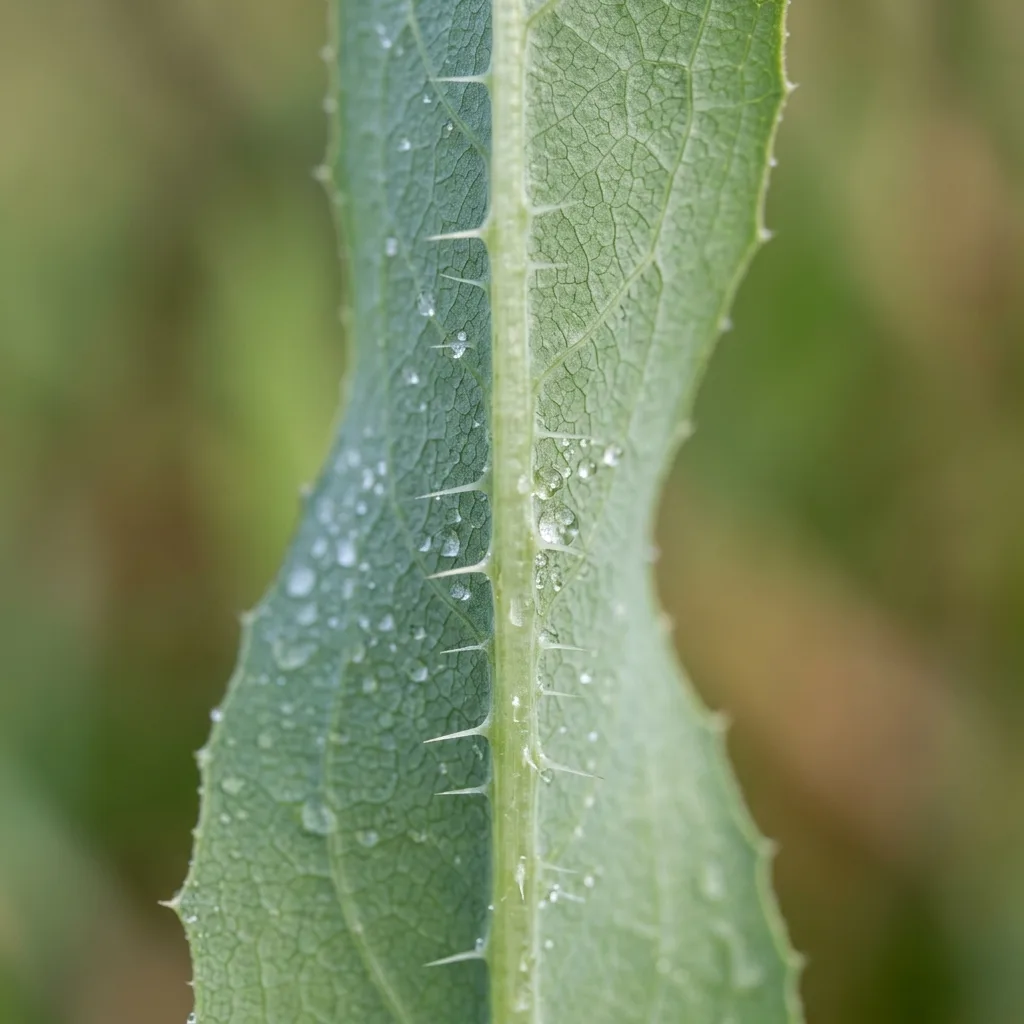
- Axial Deviation and Etiolation: Compass plant (Lactuca serriola) leaves drift away from their signature 90-degree vertical north-south alignment; leaf blades flatten horizontally in a shade-avoidance reflex, accompanied by pale, fibrous, and abnormally elongated internodes.
- Epidermal Chlorosis and Photo-Inhibition Scars: Breakdown of chlorophyll pigments occurs across stem surfaces unable to pivot away from high-angle solar irradiance; silvery-white bleaching emerges along margins, swiftly transitioning into sunken brown necrotic lesions.
- Farina and Cuticular Degradation: The sun-shielding epicuticular wax (farina) and thick cuticular layers around the apical meristem of barrel cacti thin out, turning dull and developing microscopic epidermal fissures that leave tissue defenseless against invading fungal spores.
- Sub-Cuticular Mycelium and Collar Softening: Microscopic examination of shaded, poorly ventilated basal zones reveals branching fungal hyphae (predominantly Pythium and Rhizoctonia isolates), accompanied by water-soaked, softening root-collar tissue.
2. Root Causes and Environmental Triggers of Orientation Collapse
Behind the decline and directional disorientation of compass plants kept in containers lie three primary physiological failure points:
- Phototropic Shock and Asymmetric Photon Flux: Directional plants evolved to capture morning and late-afternoon sun across their broad surfaces while offering minimal surface profile to intense midday ultraviolet rays. Weak, one-sided indoor lighting triggers heavy asymmetric accumulation of auxin hormones along the shaded flank of the stem, prompting severe structural curvature, cellular wall tearing, and structural exhaustion.
- Rhizosphere Hypoxia and Blocked Gas Exchange: In natural habitats, these resilient species inhabit rocky, calcareous, hyper-draining slopes. When confined to heavy, peat-choked potting soils, delicate feeder root hairs suffocate from lack of oxygen. When root respiration shuts down, cellular water and nutrient transport (xylem flow) comes to a standstill, paralyzing the hydraulic movement of the foliage.
- Boundary Layer Stagnation and Trapped Micro-Humidity: On wild arid plains, steady ambient breezes continually strip away humid air from stem surfaces. Indoors, stagnant air creates a humid microclimatic boundary layer over the cuticle. This micro-layer prevents transpiration, clogs stomata, and provides the exact moisture threshold required for opportunistic pathogens like Botrytis cinerea to germinate.
3. Natural and Organic Therapeutic Interventions
Before drenching a physiologically stressed, pathologically compromised plant with harsh synthetic chemicals, rebuild its natural systemic defenses using proven bio-rational treatments:
- Cold-Pressed Neem Oil and Potassium Soap Emulsion: To clear foliar fungal spore loads and eradicate opportunistic spider mite colonies, emulsify 5 ml of pure cold-pressed neem oil with 2 ml of organic potassium cocoate (horticultural soft soap) in 1 liter of lukewarm, dechlorinated water. Mist foliage and stems evenly once weekly at dusk.
- Cinnamon and Micronized Sulfur Root Dust: For localized basal soft rot or initial collar browning, gently brush back the top layer of substrate without disturbing the core root ball. Dust active lesions directly with a 1:1 blend of activated hardwood charcoal, pure organic cinnamon, and micronized elemental sulfur to desiccate mycelial hyphae and seal weeping tissue.
- Horsetail (Equisetum arvense) Bio-Silica Infusion: To rebuild structural rigidity, thicken epidermal walls, and restore natural upright posture, brew an herbal decoction of silica-rich dried horsetail. Cool, strain, dilute 1:5 with pure rainwater, and apply as a foliar mist and gentle soil drench every two weeks.
4. Chemical and Systemic Fungicide Protocol
When natural approaches cannot halt advanced vascular decay, systemic tracheomycosis (such as Fusarium solani), or soft mushy stem necrosis, targeted chemical intervention becomes vital. The following protocol has been calibrated for sensitive succulent and xerophytic compass species:
| Active Ingredient | Target Pathogen / Physiological Disorder | Dosage (Per 1 Liter Water) | Application Method and Frequency |
|---|---|---|---|
| Azoxystrobin (25%) | Powdery Mildew, Anthracnose, Stem Rust | 0.8 ml / L | Foliar micro-mist; 2 applications spaced 14 days apart |
| Fosetyl-Al (80%) | Root and Crown Rot (Pythium / Phytophthora) | 2.0 g / L | Systemic root drench; 2 applications spaced 21 days apart |
| Propamocarb HCl | Damping-Off & Basal Stem Rot | 1.5 ml / L | Substrate surface drench around crown; single curative dose |
| Copper Oxychloride (50%) | Bacterial Canker and Foliar Spotting | 1.5 g / L | Spot-applied to lesions using a fine brush; repeat in 10 days |
Always wear protective nitrile gloves and a mask during preparation and application. Never apply systemic treatments under direct sunlight; always treat at twilight to prevent phytotoxic droplet lensing and subsequent foliar burns.
5. Strict Quarantine and Decontamination Protocol
Isolate any plant showing signs of active infectious collapse immediately, moving it at least two meters away from the main collection to a well-ventilated, dedicated recovery bay. Follow this clinical workflow:
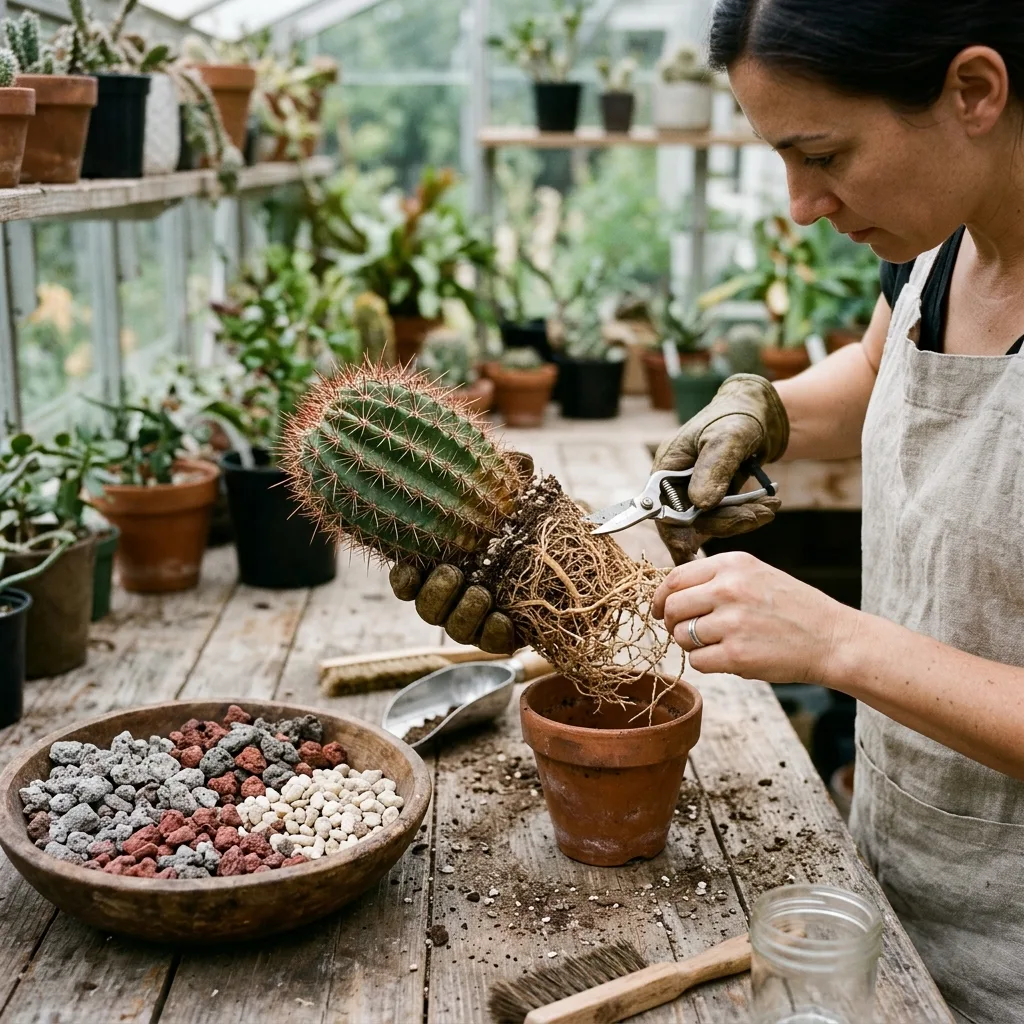
- Aseptic Debridement and Surgical Pruning: Using an ultra-sharp scalpel disinfected with 70% isopropyl alcohol, excise all blackened, water-soaked root and crown tissue, cutting cleanly 2 mm into healthy, pristine green or white vascular tissue.
- Tissue Sealing and Callus Induction: Immediately dust all open cuts with activated charcoal powder or pharmaceutical-grade sulfur. Allow the plant to rest bare-root in a warm, dry, shaded room with active air movement for 48 to 72 hours until a firm, leathery callus forms over the wound.
- Sanitization of Culture Vessels: Submerge contaminated ceramic or plastic pots in a 10% sodium hypochlorite (bleach) bath for 20 minutes, rinsing thoroughly thereafter with clear water. Flame-sterilize metal tools with a torch. Always discard infected substrates in sealed trash bags; never add them to compost piles.
6. Long-Term Rehabilitation and Convalescent Care
Guiding a surgically treated, recovering compass plant back to its natural biological orientation requires patience and meticulous environmental stabilization:
During the initial two-week convalescence, shelter the plant from harsh, direct sunlight. Place it under diffused, filtered light delivering 2,500 to 3,500 lux. Re-pot exclusively into a hyper-porous, inorganic-dominant mineral substrate: combine 40% coarse pumice (3–6 mm), 30% crushed volcanic red lava rock, 15% horticultural zeolite, and no more than 15% screened, low-humus clayey peat. Withhold all root moisture for the first 10 days post-potting, keeping ambient relative humidity stable between 45% and 55% to minimize transpiration while wounded root hairs regenerate.
Starting in the third week of recovery, stimulate new root branching by providing a light drink containing cold-water kelp extract and fulvic/humic acid at quarter-strength. Once you observe fresh apical growth and notice the leaf blades instinctively turning on edge toward the light, carefully acclimate your botanical compass back to 4 to 6 hours of unfiltered morning sun in its permanent display location.


Reader Reviews & Comments 3 Reviews
Julian Vance
Marcus Sterling
Clara Henderson
Leave a Review & Rating
Share your plant care tips, experiences, or questions with our succulent community.