






Look out across the rugged limestone cliffs and arid valleys of Hidalgo in the northern Chihuahuan Desert of Mexico, and you will spot smooth green spheres and star-shaped geometric sculptures encrusted with silvery flecks nestled deep between the rocks. In the botanical world, these remarkable living sculptures belong to the genus Astrophytum—affectionately known among hobbyists as the Star Cactus or Bishop's Cap. Welcoming an Astrophytum asterias or Astrophytum myriostigma onto your windowsill is far less like tending a standard potted houseplant and far more like curating a living geological jewel.
While many cactus enthusiasts fall in love with Astrophytum at first sight, standard peat-heavy potting mixes and ill-timed watering often cause these sensitive desert relics to dissolve quietly from basal rot. Drenching succulents on a strict calendar is not an expression of care; it is an accidental smothering of delicate root hairs in an anoxic environment. Once you understand Astrophytum's cellular architecture, natural water storage capacity, and mineral hunger, you can cultivate this ancient desert star into a treasured heirloom capable of thriving for decades across generations.
1. Botanical Biology and Physiological Foundations
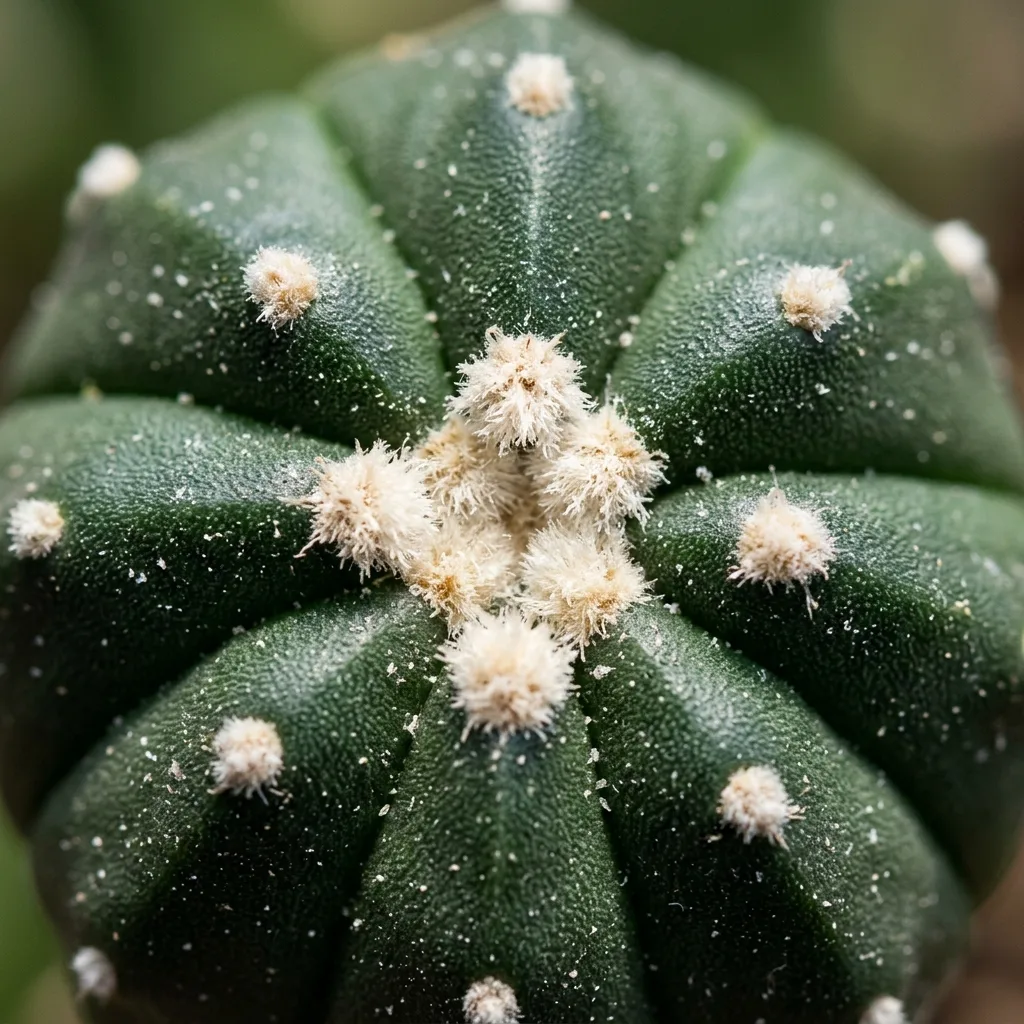
The genus Astrophytum represents one of the most specialized lineages within the family Cactaceae. Their stem morphology typically features between 4 and 8 ribs. These ribs are far more than aesthetic geometric fluting; at the cellular level, they operate like the bellows of an accordion. During prolonged drought, as internal parenchymal water reserves deplete, the rib tissues contract, drastically reducing surface area to minimize transpiration. When seasonal rains arrive, the cuticle stretches, internal vacuoles fill with water, and the ribs expand outward to store every precious drop without tearing.
Those mesmerizing white specks (trichomes) dusting the epidermis are not simple pigment spots. They are specialized, microscopic tufts of modified hairs engineered to scatter intense ultraviolet rays, prevent midday tissue overheating, and harvest ambient desert fog or night dew via capillary action, channeling moisture directly toward the stem. Working alongside the natural farina wax, these trichomes act as botanical sunscreen; preserving them without rubbing them off with careless fingerprints is critical to the plant's health.
Physiologically, Astrophytum is an obligate CAM (Crassulacean Acid Metabolism) plant. It seals its stomata tightly throughout the baking heat of the day to halt evaporative loss, cracking them open only during cool desert nights to absorb carbon dioxide and store it as malic acid. Furthermore, the root xylem architecture of these species evolved specifically in alkaline, limestone-rich soils rich in available calcium. Planting them in acidic, humus-laden organic mixes rapidly degrades the root epidermis, inviting devastating opportunistic fungi such as Fusarium and Phytophthora.
2. Accurate Diagnostics and Symptoms of Stress
When tending an Astrophytum, stem color, rib contour, and apical growth always tell the truth. A healthy cactus maintains balanced turgor pressure; however, if your maintenance regime falls out of harmony with its biology, the plant will manifest clear warning signs:
- Overwatering and Hypoxia (Basal Softening): Yellowing or translucent brown discoloration at the root collar accompanied by a squishy, spongy collapse upon gentle finger pressure. This is an unambiguous sign of fungal root rot and vascular xylem failure.
- Insufficient Light (Etiolation): The apex begins tapering into an unnatural conical point, exhibiting weak, pale-green growth. The cactus is sacrificing its natural geometry in a desperate reach for photons.
- Water Deficit and Dehydration: Ribs shrink deeply inward until their margins feel razor-thin, the entire body retreats flush with the soil line, and the epidermis fades to a dull greyish-green.
- Sunburn (Photo-Oxidation): Sudden shifts into harsh unfiltered exposure trigger scorched, yellow-orange or white crusty necrotic patches across the light-facing ribs.
- Root Suffocation: The stem remains deflated and soft 4 to 5 days after a thorough watering, proving that delicate root hairs have suffocated and died, rendering the plant incapable of hydraulic uptake.
3. Step-by-Step Cultivation Protocol
To cultivate your star cactus without rot, splits, or loss of its compact natural form, follow this 6-step protocol with horticultural precision:
- Select the Proper Container: Never plant in pots without generous drainage holes. Porous, unglazed terracotta pots permit transpiration through their walls, accelerating moisture evaporation around the root zone and establishing an ideal microclimate. Ensure the container is deep enough to accommodate the plant's thick taproot without cramping.
- Formulate a Strictly Mineral Substrate: Replicate native calciferous soils by keeping organic matter strictly under 15–20%. Mix an aggressively draining blend composed of horticultural pumice, crushed lava rock, zeolite, limestone chips, and coarse river grit.
- Isolate the Root Collar (Top Dressing): During potting, never allow the sensitive junction where the stem epidermis meets the root crown to touch organic matter. Top the uppermost 1.5–2 cm of the container with coarse pumice, lava gravel, or calcite chips to keep the root neck dry and well-aerated.
- Water by Tissue Feedback, Never by Schedule: Discard rigid calendar routines like 'watering once a week.' Water only when the substrate has dried out entirely to the base of the pot and the ribs show subtle inward contraction. When you water, soak the medium thoroughly until water runs freely from the drainage hole, and discard any runoff sitting in the saucer within 15 minutes.
- Provide High-Intensity Light and Airflow: Astrophytum requires at least 5 to 6 hours of bright, filtered direct sunlight daily. Stagnant air is the primary ally of fungal spores; maintain gentle, continuous ambient airflow around the plant.
- Implement a Strict Winter Dormancy: From late October through early March, lower ambient temperatures to 6–10°C (43–50°F) and completely withhold water. This cold, arid rest induces productive cellular stress, conditioning the meristem to produce stunning, silky yellow blooms come spring.
4. Essential Substrate Ratios and Environmental Parameters
Planting Astrophytum in off-the-shelf succulent soils almost inevitably ends in root loss. The table below outlines the specialized ratios and environmental parameters perfected through years of greenhouse cultivation:
| Component / Parameter | Recommended Value | Physiological Function and Purpose |
|---|---|---|
| Coarse Horticultural Pumice (3–6 mm) | 40% | Creates vital macroporosity and oxygen pockets throughout the root zone. |
| Crushed Lava Rock / Zeolite (2–5 mm) | 30% | Provides cation exchange capacity and rapidly clears excess water from root surfaces. |
| Limestone Grit or Dolomite Chunks | 10% | Buffers substrate pH within an optimal alkaline range of 7.2 to 7.8. |
| Organic Cactus Peat or Coir Fiber | 20% (Maximum) | Provides baseline nutrient anchorage and minimal root-anchoring medium. |
| Light Intensity | 25,000 – 35,000 Lux | Maintains compact, globular morphology and prevents stem elongation. |
| Winter Dormancy Temperature | 5°C – 10°C / 41°F – 50°F (Dry) | Triggers flower bud initiation and preserves parenchymal rest. |

5. Five Common Mistakes and Rescue Strategies
- Leaving Plants in Commercial Nursery Peat: Dense nursery peat retains moisture for weeks, suffocating delicate taproots.
Rescue Strategy: Immediately bare-root new acquisitions by soaking and rinsing away all peat in lukewarm water. Allow the root system to air-dry in the shade for 3 days before potting into an 80% mineral blend. - Watering in Warm Winter Living Rooms: Keeping an Astrophytum warm and hydrated indoors under dim winter light leads to weak, misshapen etiolation.
Rescue Strategy: Cease watering entirely from November to March and relocate the specimen to your coolest, brightest unheated room or frost-free sunporch. - Epidermal Stem Bursting: Applying high-nitrogen fertilizer or heavy irrigation immediately after a severe dry spell causes rapid osmotic water influx that ruptures rib walls.
Rescue Strategy: Ease parched plants back into turgor with conservative sips. Dust open splits promptly with sulfur powder or ground cinnamon to prevent fungal entry; the fissure will form a clean, woody scar over time. - Overhead Misting on the Stem: Spraying water directly onto trichomes and the woolly apical meristem leads to stagnant moisture that induces crown rot (apical necrosis).
Rescue Strategy: Never mist this cactus. Always apply water directly to the surrounding mineral substrate at the edge of the pot. - Abruptly Moving Plants into Blistering Sun: Transferring a winter-softened plant directly into intense summer midday light causes irreversible phototoxic scorching.
Rescue Strategy: Acclimate the plant incrementally across two weeks using a light shade cloth or sheer curtain barrier.
6. Seasonal Calendar and Long-Term Results
Cultivating Astrophytum is an exercise in mindful patience. In spring (April–May), as ambient temperatures consistently surpass 20°C (68°F), the plant breaks dormancy; an initial light watering wakes up fine feeder roots. Throughout summer (June–August), CAM metabolism runs at peak efficiency, and spectacular silky yellow flowers with deep orange throats open consecutively from the woolly crown.
As autumn approaches (September–October), taper watering frequency significantly. Reducing cellular moisture concentrations thickens the internal sap, preventing cell sap crystallization during cold spells. Supported by balanced mineral nourishment and an authentic winter rest, your Astrophytum will steadily broaden by 1 to 2 cm per year, flourishing for over 50 years without losing its sculptural integrity—a genuine crowning masterpiece in your botanical collection.


Reader Reviews & Comments 4 Reviews
Julian Vance
Marcus Sterling
Clara Hensley
Eleanor Brooks
Leave a Review & Rating
Share your plant care tips, experiences, or questions with our succulent community.