






Hidden across the windswept, high-altitude plateaus bordering Chile and Argentina in the majestic Andes Mountains thrives an extraordinary botanical treasure: Viola pachysoma. Defying everything we traditionally associate with delicate, shade-loving garden violets, this remarkable species has evolved over millennia to withstand extreme aridity, sub-zero nocturnal frosts, and relentless ultraviolet radiation. In response to these unforgiving conditions, it sculpted itself into a dense, geophytic 'succulent rosette.' Coveted worldwide by alpine plant enthusiasts and rare succulent collectors alike, this species stands as one of nature's most brilliant architectural masterworks.
Cultivating Viola pachysoma in your home or boutique greenhouse is fundamentally distinct from tending everyday houseplants; it is an intimate exercise in recreating the harsh, mineral-rich scree slopes of the Andes at 3,000 meters above sea level. Remember, generous watering is never an expression of love for an alpine succulent—it is the quickest way to asphyxiate delicate root hairs. Nurturing this species requires harmonizing with its native rhythm: replicating porous volcanic rubble, providing intense light, and respecting its need for sharp day-night temperature swings.
1. Botanical Identity and Morphological Characteristics
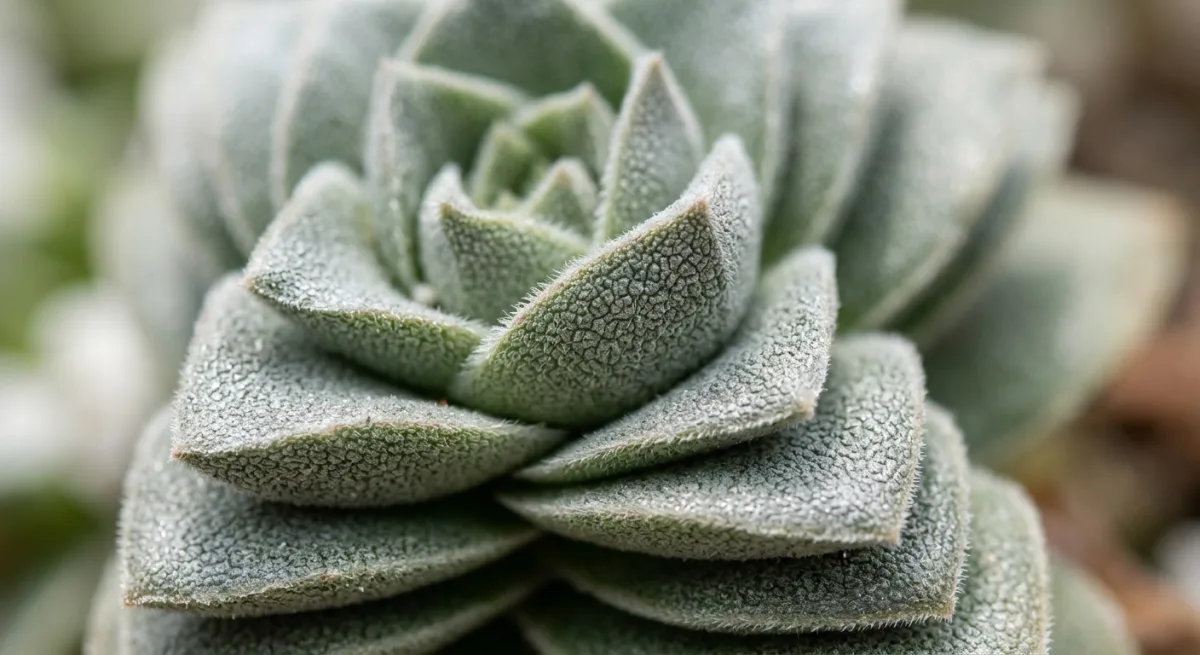
While the genus Viola brings to mind soft woodland perennials, the specialized members of section Andina indigenous to South America's southern cone have produced some of the world's most mesmerizing succulent rosettes. Viola pachysoma fully honors its specific epithet—derived from the Greek for 'thick body'—presenting swollen, fleshy leaves tightly pressed against the soil line in an ultra-compact, flattened cushion.
Its leaves overlap tightly in an imbricate arrangement, resembling terracotta roof tiles protecting the central meristem. This compact architecture prevents fierce alpine gales from wicking away precious cellular moisture, while microscopic hairs and a protective epicuticular wax layer shield vulnerable epidermal cells from blistering UV rays. That delicate, silvery-blue farina coating is your plant’s natural sunscreen; handle it with extreme gentleness and never rub it away. During late spring and early summer, delicate pansy-like violet blossoms emerge directly from the rosette heart or leaf axils, creating a breathtaking, poetic contrast against the rugged, stone-like foliage.
2. Light Requirements and Indoor Positioning
Hailing from high alpine peaks bathed in pristine, unobstructed mountain sunshine, this Andean violet demands intense, high-lumen illumination. Depriving it of adequate light triggers rapid etiolation: the tight tile-like leaves loosen, internodes stretch outward, and the iconic architectural symmetry collapses irreparably.
- Natural Sunlight: Unobstructed east- or southwest-facing windowsills that provide generous morning and late afternoon direct sun are ideal. However, during the height of midsummer, intense midday sun magnified through double-paned window glass can scorch leaf tips; provide sheer curtain diffusion only during extreme peak hours.
- Artificial Grow Lights: In spaces lacking pure solar exposure, supplement with full-spectrum LED horticultural lights for 12 to 14 hours daily. Position the light array approximately 15 to 20 cm above the foliage to maintain a dense, flat rosette.
- Air Circulation: Stagnant, warm ambient air is the ultimate nemesis of alpine succulents. Consistent ventilation and gentle convective airflow are non-negotiable to prevent fungal spore settlement and recreate mountain breezes.
3. Watering Discipline: The 'Soak and Dry' Protocol
Viola pachysoma possesses virtually zero tolerance for soggy roots. Given the phenomenal water-storage capacity engineered into its subterranean taproot and succulent leaf parenchyma, irrigation must never follow an arbitrary calendar schedule. Instead, it must be governed purely by the total moisture depletion of the root zone.
Adopt the strict 'Soak and Dry' protocol. Allow at least 90% of the substrate—and during cold months, 100%—to dry completely before rehydrating. When watering, avoid splashing moisture directly into the crown or dense leaf axils; trapped droplets readily induce fatal crown rot. The safest technique is bottom-watering (sub-irrigation): set the pot in a shallow basin of lukewarm, distilled or rain water, allow capillary action to draw moisture upward through the drainage hole, and let the pot drain thoroughly until not a single drop remains.
4. Ideal Soil Mix and Pot Selection
To keep this high-altitude marvel thriving, you must provide a lean, hyper-porous substrate dominated by mineral aggregates with almost negligible organic matter. You are effectively recreating decomposed granite, volcanic ash, and rocky alpine talus. Standard peat-based commercial potting soils act as a death sentence, retaining excessive moisture and suffocating the root xylem.
| Substrate Component | Ratio (%) | Horticultural Function & Botanical Benefit |
|---|---|---|
| Pumice (2–4 mm grain) | 40% | Creates durable macropores and supplies steady oxygen to taproot tissue. |
| Crushed Lava Rock / Zeolite | 30% | Releases vital trace minerals and prevents media compaction. |
| Coarse Quartz / River Grit | 15% | Accelerates swift gravitational drainage, simulating natural alpine scree. |
| Screened Cactus Peat or Decomposed Leaf Mold | 15% | Provides a modest organic buffer for beneficial microbial attachment. |
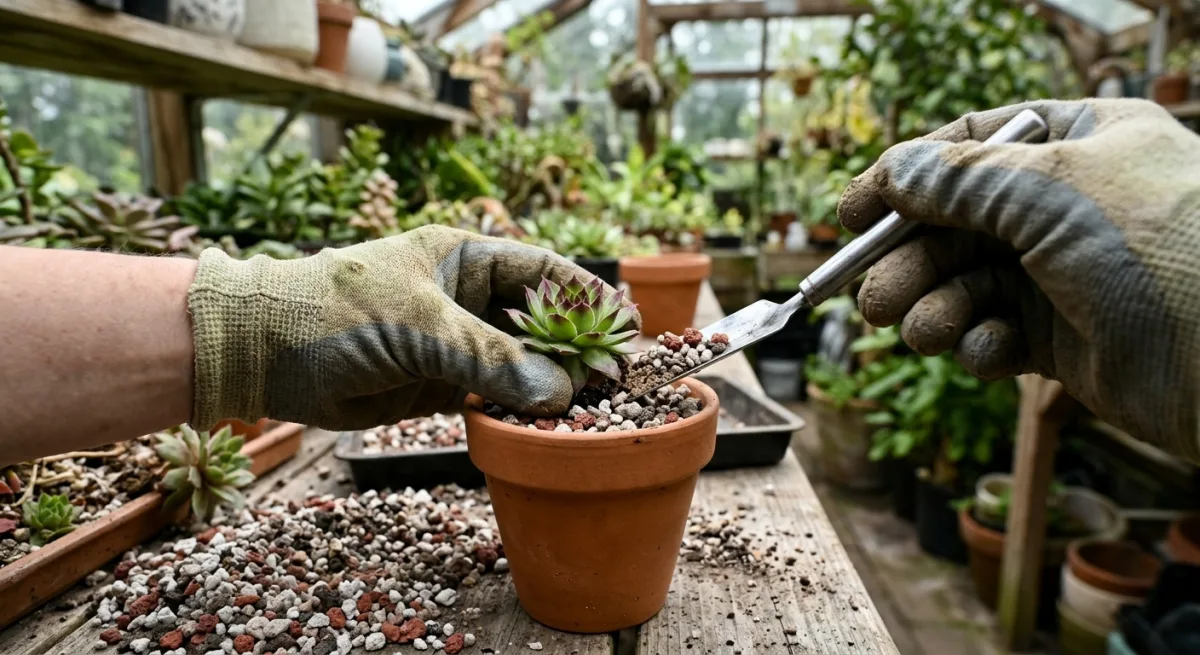
Always house this species in unglazed, high-porosity terracotta containers. Glazed ceramics and non-porous plastics trap moisture against the pot walls. Ensure the pot has a generous drainage hole, and layer the bottom with coarse pumice. Finally, apply a 1 cm decorative top dressing of clean pumice or quartz grit around the collar of the plant; this keeps the sensitive lower foliage entirely elevated above damp soil particles.
5. Step-by-Step Propagation Techniques
Propagating Viola pachysoma is an artisan botanical endeavor requiring patience and exacting precision. The species reproduces primarily via stratified seed or through meticulous division of rare basal offsets.
- Propagation from Seed (Recommended): Natural cold stratification is vital. Surface-sow fresh seeds onto a moist, mineral seed-starting mix, seal inside a container, and refrigerate at +4°C (39°F) for 4 to 6 weeks. Move to bright, cool conditions (15–18°C / 59–64°F) to trigger germination. Seedlings grow slowly but establish the healthiest taproots.
- Basal Offset Separation: Fully mature specimens occasionally produce lateral offsets from the root crown. In early spring, carefully unpot the plant and sever the offset using an alcohol-sterilized micro-scalpel, ensuring the pup retains its own root filaments.
- Callus Formation: Never pot fresh cuttings directly into moist soil. Rest the severed division in a dry, shaded, well-ventilated spot for 3 to 4 days until a firm, suberized callus forms over the wound.
- Dry Bedding & Root Initiation: Plant the callused offset into completely dry mineral grit. Withhold all direct water for 7 to 10 days, allowing ambient humidity to encourage root emergence before initiating gentle bottom hydration.
6. Common Diseases, Pests, and Solutions
Because the imbricate foliage forms sheltered crevices, pests can establish colonies before being easily detected. Inspect your plant regularly with a jeweler's loupe.
- Root and Crown Rot (Fusarium, Phytophthora spp.): Manifests as sudden translucency, yellowing, and mushy foliage around the crown. Solution: Immediately cease all watering. Unpot the specimen, excise necrotic taproot tissue with a sterilized blade, dust the cut with sulfur powder or activated charcoal, and repot into entirely dry, fresh mineral grit.
- Mealybugs: These cottony pests conceal themselves deep within tightly packed leaf axils to sap phloem sap. Treatment: Spot-treat using a cotton swab dipped in 70% isopropyl alcohol; for widespread outbreaks, apply systemic imidacloprid during the active spring growth cycle.
- Spider Mites: Thrive in hot, arid indoor air, leaving foliage dull with stippled bronze spots. Optimize air movement and relative humidity slightly while wiping foliage with diluted neem oil.
7. Seasonal Care Calendar and Expert Tips
Synchronizing your care regimen with the natural Andean seasons is key to long-term vigor:
- Spring (Active Awakening): As daylight increases, growth awakens and floral buds form. Resume soak-and-dry watering and administer a balanced, low-nitrogen, high-potassium succulent fertilizer at 1/4 strength once monthly.
- Summer (Semi-Dormancy): If temperatures climb above 30°C (86°F), the plant enters protective estivation. Shield it from scorching afternoon solar focus, increase ambient ventilation, and space out waterings.
- Autumn (Acclimatization): As evening temperatures drop, taper watering gradually. Crisp, cool night temperatures stimulate farina production and firm up cell walls for winter.
- Winter (Vernalization Rest): Maintain the plant in a bright, cold environment between 5°C and 10°C (41–50°F). Keep the substrate completely dry; if leaves exhibit severe furrowing, deliver a few drops of water from the pot base. This vernalization chill is indispensable for spring flowering.


Reader Reviews & Comments 3 Reviews
Julian Sterling
Eleanor Vance
Marcus Thornton
Leave a Review & Rating
Share your plant care tips, experiences, or questions with our succulent community.