






Spanning the storm-swept coastal dunes of South Africa to the sun-drenched shores of the Mediterranean, Carpobrotus (commonly known as the Ice Plant, Pigface, Highway Ice Plant, or Hottentot Fig) stands as an extraordinary botanical masterpiece defined by its fleshy, three-sided succulent foliage. Having evolved unmatched resilience against salt spray, blistering sun, and nutrient-depleted sands in its native habitat, this coastal titan frequently suffers when brought into domestic cultivation and container culture due to improper care routines. The yellowing, softening foliage and basal blackening that break the hearts of many succulent growers are nearly always the direct consequence of root asphyxiation—an expansive coastal groundcover trapped in dense, waterlogged pots.
Species of Carpobrotus (notably Carpobrotus edulis and Carpobrotus acinaciformis) rely on CAM (Crassulacean Acid Metabolism) photosynthesis, sealing their stomata during blazing daylight hours to eliminate moisture loss while assimilating carbon dioxide under the cover of night. While this exquisite physiological adaptation renders the plant virtually impervious to prolonged drought, it leaves it acutely vulnerable to devastating fungal rot pathogens (predominantly Fusarium oxysporum and Phytophthora) when trapped in poorly aerated, wet substrates. If your Ice Plant is turning into a limp, gelatinous shadow of its former self, do not despair; with prompt diagnostic triage and disciplined botanical protocols, this indomitable survivor can be fully revived.
1. Early Diagnostic Symptoms and Cellular Indicators
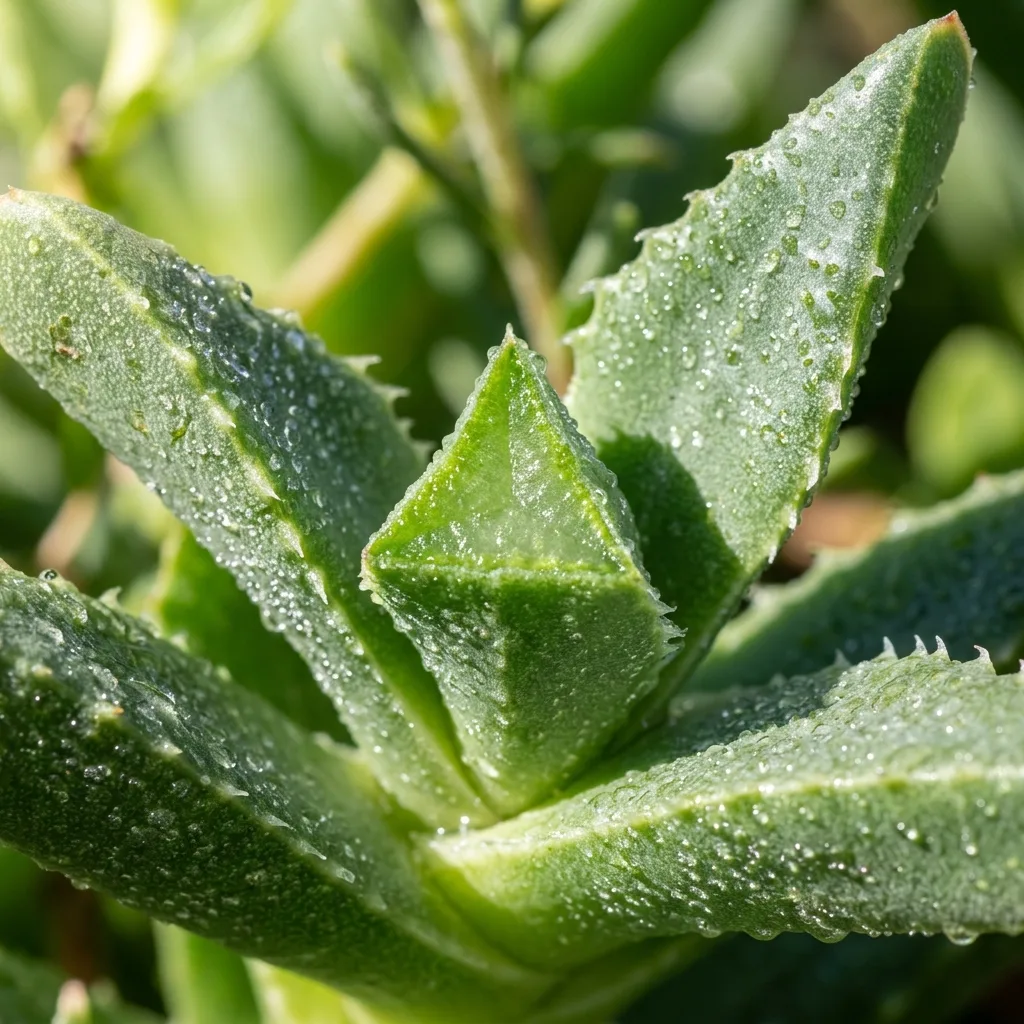
In peak vigor, Carpobrotus foliage is rigid, turgid, and plump with internal water reserves, exhibiting a distinctive equilateral triangular cross-section. When physiological distress or opportunistic pathogens strike, the plant registers cellular distress signals long before widespread collapse occurs. Monitor your specimens closely for these hallmark indicators:
- Turgor Loss and Cellular Vitrification: Chronic overwatering ruptures internal parenchymal cell walls; foliage turns dull, translucent, yellowish-green—resembling parboiled vegetation—and collapses into a soft, spongy mush.
- Basal Necrosis and Blackening: Water-soaked, dark brown or pitch-black lesions creeping from the root crown upward through the main stems reveal an active oomycete or fungal invasion (Pythium or Phytophthora) that has choked the xylem vascular bundles.
- Foliar Tip Scorch vs. Shriveling: Elevated mineral and soluble salt build-up in the substrate manifests as dry, crispy necrotic tips, whereas acute underwatering triggers an inward curling, thinning, and deep longitudinal wrinkling across the leaf facets.
- Mealybug and Scale Colonies: Characteristic cottony white wax deposits nestle deep inside the narrow axils where leaves meet the creeping stems, often accompanied by sticky honeydew excretions that invite black sooty mold.
2. Primary Root Causes and Environmental Triggers
The single most widespread pitfall when cultivating Ice Plants is disregarding their littoral, dune-dwelling origin and potting them into dense, peat-dominated commercial potting mixes. Peat absorbs moisture like a sponge, retaining wetness for extended periods and effectively suffocating the roots' microscopic gas-exchange pores. Hydrating succulents excessively is not an act of love; it starves root tissues of atmospheric oxygen and induces rot.
The second decisive limiting factor is insufficient irradiance. Carpobrotus demands a minimum of 6 to 8 hours of uninterrupted, direct sunlight daily. In dim indoor positions, the CAM pathway falters, triggering etiolation: stems stretch, new leaves grow spindly, and the defensive epicuticular wax layer degrades, leaving epidermal cells defenseless against airborne fungal spores. Stagnant, humid indoor microclimates compound the threat by allowing relative humidity to condense in leaf junctions, setting an ideal stage for spore germination (notably Botrytis).
3. Natural and Organic Rehabilitation Methods
When bacterial, fungal, or insect pressures are intercepted in their nascent stages, non-synthetic organic intervention strategies should always serve as your first line of defense:
- Surgical Debridement and Sterilization: Excise all blackened, water-logged foliage and soft stem segments using a scalpel or razor blade disinfected with 70% isopropyl alcohol or heat sterilization. Cut cleanly at least 1 cm into healthy, vibrant green vascular tissue.
- Ceylon Cinnamon and Activated Charcoal Dressings: Dusting fresh wound margins with organic Ceylon cinnamon powder or horticultural-grade activated charcoal supplies natural antifungal polyphenols, sealing open vascular bundles and accelerating dry callus formation.
- Cold-Pressed Neem Oil Emulsion: Whisk 5 ml of pure cold-pressed neem oil and 2 ml of gentle potassium soap into 1 liter of lukewarm water. Apply directly to concealed mealybug colonies within foliar axils during dusk. Avoid daytime application, as direct solar radiation on oil-treated tissues will induce severe phototoxic scorch.
4. Chemical and Systemic Fungicide Application Protocols
In advanced cases of ascending vascular rot or widespread pest proliferation, systemic active compounds become an indispensable necessity. Systemic chemistries are translocated directly through the plant's vascular architecture, eradicating pathogens from within the cellular matrix.
| Active Ingredient | Target Pathogen / Pest | Dosage (Per 1 Liter Water) | Application Frequency & Method |
|---|---|---|---|
| Metalaxyl-M + Mancozeb | Phytophthora & Pythium (Root Rot) | 2.0 - 2.5 g | Substrate drench at root zone, 2 rounds spaced 14 days apart |
| Fosetyl-Aluminium | Systemic Stem & Root Canker | 2.0 g | Combined foliar spray and substrate drench, every 10 days |
| Acetamiprid (20% SP) | Mealybugs, Scale Insects, Thrips | 0.5 g | Fine foliar atomization, 2 applications spaced 7-10 days apart |
| Copper Oxychloride | Superficial Bacterial & Fungal Spots | 1.5 g | Preventative foliar wash, once monthly (late winter/spring) |
5. Quarantine and Hygiene Protocols
Any Carpobrotus displaying active symptoms must be segregated immediately, placed at least 2 meters away from neighboring succulent collections in an airy, semi-shaded recovery zone. This prevents microscopic spores and mobile pest crawlers from riding ambient air currents or splash vectors onto healthy plants.
Used nursery containers, shears, and saucers must be soaked in a 10% household bleach solution (1 part bleach to 9 parts water) for at least 20 minutes before being thoroughly rinsed with clean water. Discard old, contaminated growing media straight into sealed trash bags; never mix compromised substrate into outdoor compost heaps or reuse it for other plantings.
6. Rehabilitation and Propagation Recovery Pipeline
To resurrect healthy stem cuttings from a rot-rescued specimen, execute the following horticultural protocol:
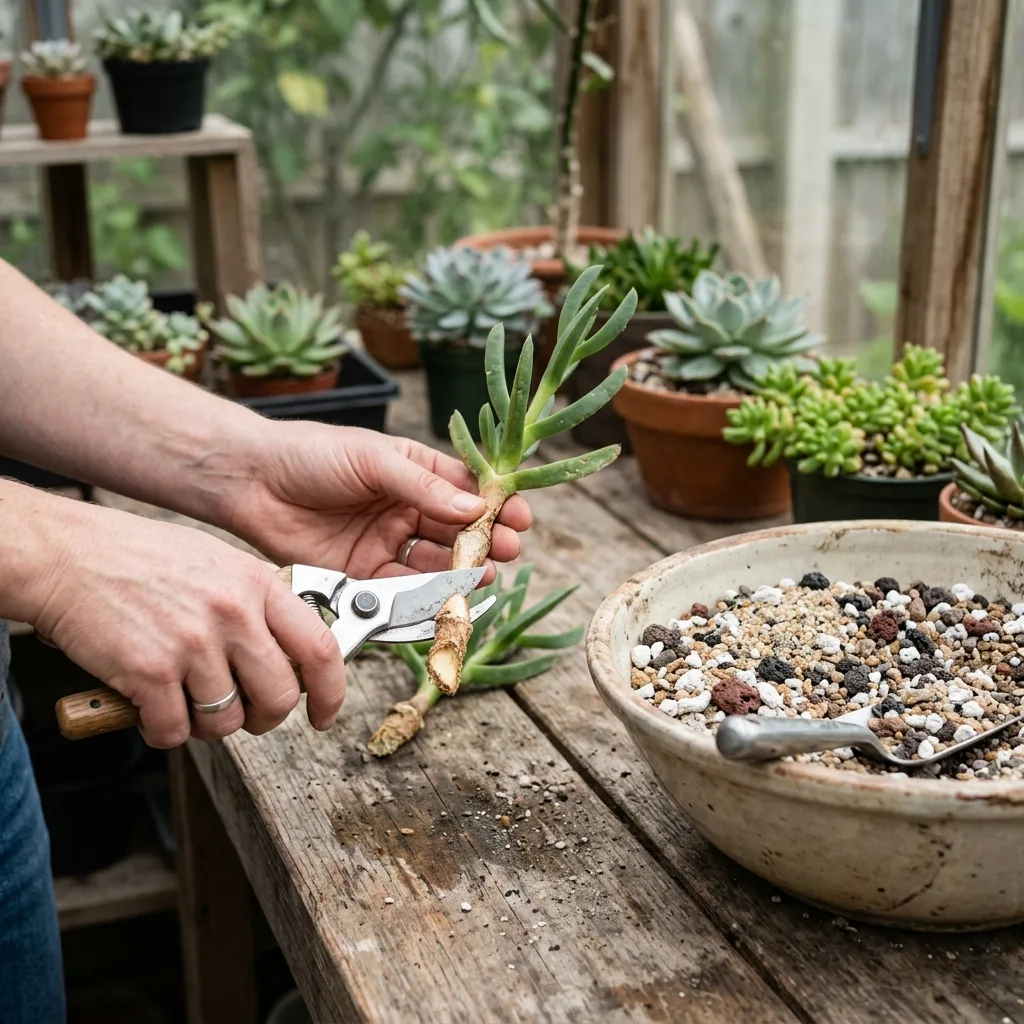
- Callus Formation: Never plant freshly cut stem segments directly into moist potting media. Rest the trimmed cuttings in a bright, dry, well-ventilated room out of direct sunlight for 4 to 7 days until the cut surfaces form a firm, pale, corky callus.
- Engineered Mineral Substrate: Carpobrotus detests heavy, water-retaining soils. Formulate a dedicated coastal mineral mix: 40% coarse river grit or desalted, washed horticultural sand, 30% pumice (3-5 mm grain), 20% zeolite or crushed volcanic basalt, and only 10% screened peat or quality cactus compost.
- Dry Planting and Gradual Rehydration: Insert the callused cutting 3 to 4 cm into the dry mineral mix to secure it. Keep the container bone dry for the first 7 to 10 days; this moisture deficit triggers auxin production, coaxing dormant root primordia to emerge. After day 10, dribble modest amounts of water strictly around the container rim to guide descending feeder roots.
- Light Acclimation: Maintain the recovering cutting in bright, indirect or dappled sunlight for the initial 2 weeks. Once firm resistance to a gentle upward tug confirms active rooting and new apical leaves emerge, gradually reintroduce the specimen to 6+ hours of full, glorious sun.


Reader Reviews & Comments 3 Reviews
Clara Higgins
Eleanor Vance
Julian Thorne
Leave a Review & Rating
Share your plant care tips, experiences, or questions with our succulent community.