






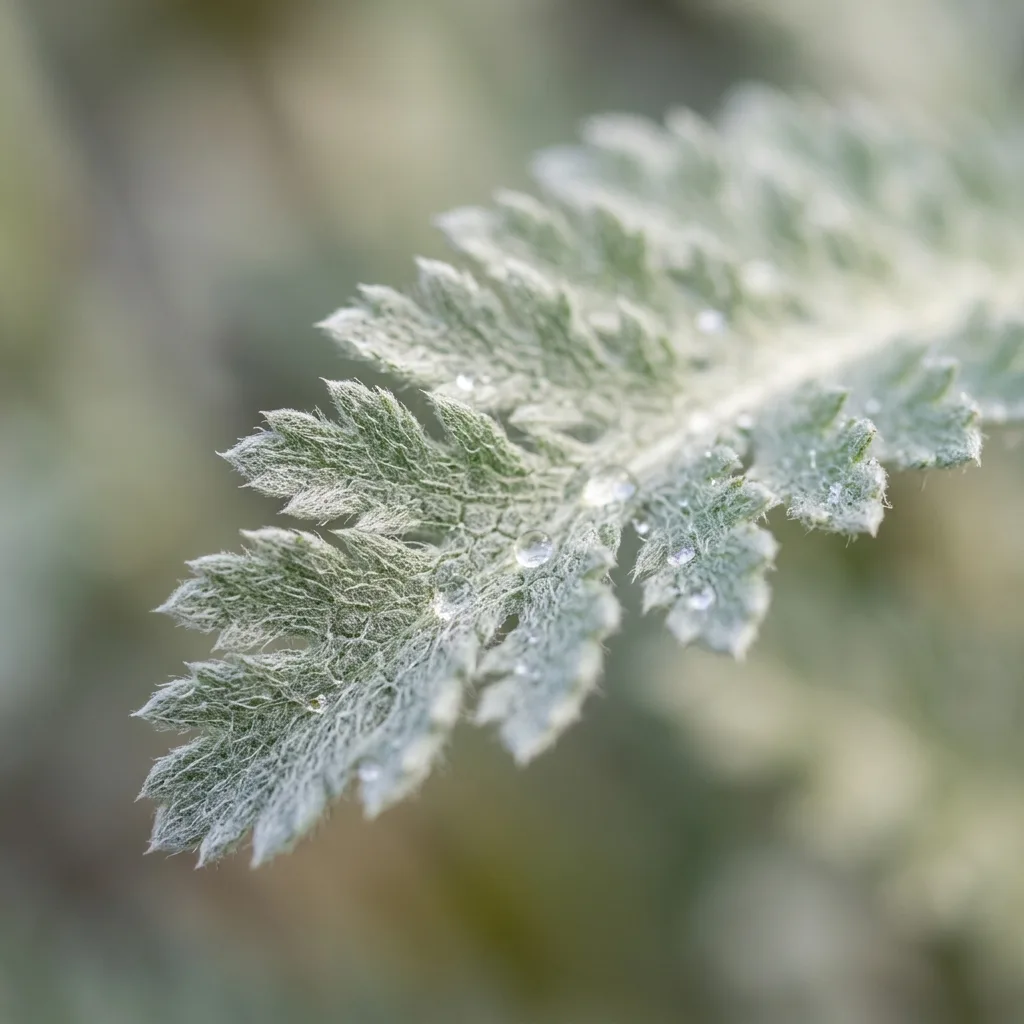
Forged along the wind-scoured limestone bluffs and subalpine screes of Southeastern Europe, particularly the Balkan Peninsula, Achillea abrotanoides (Wormwood-Leaved Yarrow) stands as one of nature's most resilient drought-defying marvels. Its finely dissected, bipinnatisect foliage is cloaked in dense, silvery trichomes engineered at a cellular level to minimize transpirational water loss and bounce back searing ultraviolet radiation. Yet, when we transition this untamed mountain jewel into home landscapes, gravel screes, or patio planters, its primary adversary is rarely nature's fury—it is almost always our well-intentioned over-nurturing and dense, water-retentive soils.
The most catastrophic crisis growers encounter with this calciphilic species is the insidious invasion of root-rotting oomycetes and foliar pathogens that asphyxiate vascular tissues. Spores of Phytophthora and Rhizoctonia flourish in oxygen-deprived, soggy root zones, essentially liquefying the delicate feeder rootlets and severing xylem transport. As a tragic consequence, the crown begins to desiccate and yellow as if parched. Misinterpreting this vascular collapse as simple drought and pouring on extra water is, regrettably, the final death sentence for the plant.
1. Early Diagnostic Symptoms and Microscopic / Visual Clues
Catching the distress signals of an Achillea abrotanoides specimen early allows you to intervene before cellular necrosis becomes permanent. Routine inspections should focus intently on the lower foliage whorls, leaf petioles, and the crown collar at soil level:
- Loss of Silvery Luster and Progressive Chlorosis: The protective pelage of peltate trichomes loses its metallic shimmer under prolonged moisture stress. As chloroplast breakdown occurs within the mesophyll, a dull, yellowish chlorosis creeps upward from the leaf margins to the basal rosette.
- Basal Collar Darkening and Soft Rot: Inspecting the stem junction at the soil line often reveals water-soaked, dark brown or black lesions. This is conclusive evidence that vascular wilt pathogens such as Rhizoctonia solani or Pythium have breached the epidermal barriers of the collar.
- Powdery Mildew (Erysiphe cichoracearum) Epiphytic Growth: In sheltered microclimates with stagnant air, a distinctive flour-like, white mycelial dusting blankets the foliage. The fungal haustoria penetrate the epidermal cell walls, leeching sap and arresting photosynthetic capacity.
- Root Rot Pathology: Healthy yarrow root systems are crisp, fibrous, cream-white, and emit an earthy, herbaceous scent. When overwhelmed by pathogens, the root architecture turns dark brown to charcoal black, collapsing into a slimy, structural pulp that sloughs off effortlessly between your fingers while giving off an anaerobic stench.
2. Underlying Causes and Environmental Triggers
Wild yarrows are evolutionarily programmed for lean, highly alkaline, extremely sharp-draining rocky niches. In cultivation, failure can almost always be traced to four specific environmental blunders:
- Overwatering and Rhizosphere Anoxia (Oxygen Starvation): Treating drought-tolerant alpine xerophytes like thirsty tropicals leads to catastrophic hypoxia. When soil macropores remain permanently flooded, root mitochondria are deprived of oxygen, shutting down cellular ATP synthesis and inducing fatal suffocation.
- Inadequate Airflow and High Microclimate Humidity: Planting crowns too densely or positioning pots in dead corners causes relative humidity around the rosettes to spike above 80%. This microclimatic stagnation provides the ideal incubation chamber for conidia of powdery mildew and grey mold (Botrytis cinerea).
- Heavy Peat and Clay Substrates: Commercial potting soils formulated with rich, fine-milled peat act like moisture-trapping sponges. This moisture retention is diametrically opposed to the physiological needs of Achillea, denying the root mass its essential wet-dry cycle.
- Photoperiod Deficiency and Etiolation: Depriving Achillea abrotanoides of its minimum requirement of 6 to 8 hours of unfiltered sunlight causes weak, spindly, etiolated growth. Impaired structural lignin synthesis leaves cell walls thin, porous, and utterly defenseless against mechanical fungal penetration.
3. Natural and Organic Control Protocols
For early-stage foliar infections and superficial outbreaks, ecological therapies should always take precedence over aggressive synthetic biocides to preserve the soil microbiome:
- Dilute Potassium Bicarbonate Solution: At the first sign of powdery mildew, dissolve 4 grams of potassium bicarbonate and 2 drops of pure horticultural soap (castile) into 1 liter of distilled water. This shifts the leaf surface pH toward an alkaline threshold, causing the osmotic rupture of fungal hyphae and neutralizing germ tubes.
- Cold-Pressed Pure Neem Oil Emulsion: Emulsify 5 ml of raw, cold-pressed neem oil with 2 ml of gentle non-detergent soap in 1 liter of lukewarm water. Apply uniformly just after dusk. The active azadirachtin disrupts the reproduction of sap-sucking pests like aphids while establishing a protective fungistatic barrier over the cuticle.
- Cinnamon and Micronized Activated Charcoal Dusting: When excising necrotic rhizomes or damaged taproots, dusting the freshly exposed cuts with pure Ceylon cinnamon powder or horticultural-grade activated charcoal accelerates rapid suberization, providing a potent natural antiseptic barrier.
4. Targeted Fungicide Protocols and Systemic Therapeutics
When pathogen colonization reaches the vascular core or foliar mildew blankets more than 40% of the active crown, biological therapies must give way to systemic, scientifically targeted agrochemicals to salvage the specimen.
| Pathology / Causal Agent | Active Ingredient | Dosage (Per Liter of Water) | Application Method & Frequency |
|---|---|---|---|
| Root & Crown Rot (Phytophthora / Pythium) | Fosetyl-Al or Metalaxyl-M | 2.0 - 2.5 g | Drench soil collar thoroughly; 2 treatments spaced 14 days apart |
| Stem Blight & Canker (Rhizoctonia solani) | Azoxystrobin | 0.8 - 1.0 ml | Crown soak and substrate flush; 2 applications at 10-day intervals |
| Powdery Mildew (Erysiphe spp.) | Difenoconazole or Tebuconazole | 0.5 ml | Ultra-fine foliar misting; repeat once after 10–12 days if needed |
| Grey Mold Blight (Botrytis cinerea) | Cyprodinil + Fludioxonil | 1.5 g | Targeted foliage and collar wash; 2 cycles spaced 7 days apart |
5. Strict Quarantine and Surgical Sanitation
Immediately isolate any symptomatic Achillea abrotanoides away from your collection of succulents, cacti, and alpine gems. Airborne fungal conidia drift effortlessly on room currents and wind drafts.
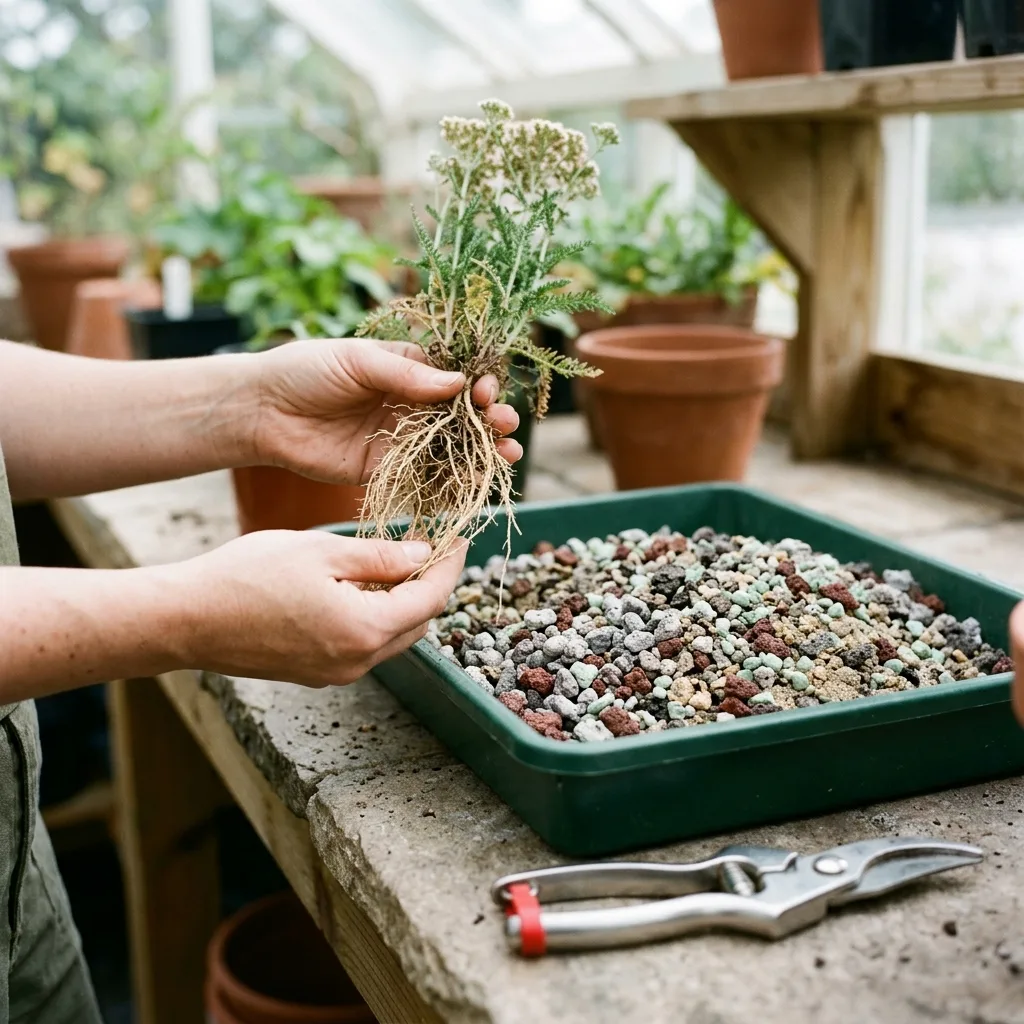
- Surgical Debridement: Sterilize bypass pruners or scalpel blades using 70% isopropyl alcohol. Ruthlessly excise all blackened, macerated root strands and desiccated leaf bases until you reach pristine, ivory-white, turgid vascular tissue.
- Vessel Sanitation: Never repot directly into the contaminated container. Submerge terracotta or plastic pots in a 10% sodium hypochlorite (household bleach) solution for at least 20 minutes, followed by a meticulous rinse with fresh water and thorough air-drying.
- Substrate Disposal: Never discard diseased substrate into your outdoor garden beds or home compost pile. Resting oospores and fungal sclerotia can survive in dormant states for years. Seal the infested media in a heavy trash bag and dispose of it with municipal waste.
6. Rehabilitation Environment and Convalescent Aftercare
Following surgical root excision and targeted fungicide applications, orchestrating an optimized alpine microclimate is non-negotiable for vascular recovery:
- Bespoke Subalpine Mineral Matrix: Replant into an ultra-sharp, gritty formulation engineered for rapid drainage: 40% pumice (3–6 mm particle size), 20% volcanic red lava rock, 15% zeolite, 15% coarse horticultural river sand, and no more than 10% decomposed leaf mold or sifted compost. This ratio ensures gravity flushes surplus water through the container in seconds, retaining critical oxygen channels.
- Illumination Moderation and Microclimate Shelter: An unrooted or surgically trimmed yarrow exposed to scorching noon sun will quickly collapse from uncontrolled transpirational stress. Keep the convalescing plant in a bright, sheltered spot with ambient, filtered daylight and superior cross-ventilation for the initial 10 to 14 days.
- Staged Rehydration Regimen: Keep the substrate entirely dry for the first 4 days post-repenting to allow root wounds to fully suberize and build calluses. On day 5, apply a modest bottom-watering sip. Completely abstain from nitrogen-rich fertilizers until active, vibrant vegetative bud breaks signal that healthy root architecture has successfully regenerated.


Reader Reviews & Comments 3 Reviews
Eleanor Brooks
Julian Vance
Marcus Sterling
Leave a Review & Rating
Share your plant care tips, experiences, or questions with our succulent community.