






Stretching from the sun-scorched granite outcrops of Madagascar to the arid plateaus of the Karoo Desert, the succulent realm showcases nature's most magnificent water-storage architecture. Yet, when transported onto an indoor windowsill, a succulent abruptly loses the breezy, mineral-dense, and free-draining habitat it spent millions of years adapting to. Too often, what well-intentioned plant lovers consider an act of affection—frequent watering—serves only to drown subterranean root hairs and suffocate the root zone. The foundational secret to thriving succulent cultivation lies in replicating ecological dynamics and selecting species genetically primed to tolerate human neglect.
In succulent horticulture, 'easy-care' never implies that a plant craves total abandonment; rather, it denotes a remarkable cellular elasticity capable of withstanding domestic light fluctuations, low ambient humidity, and sporadic irrigation. Within their stems and foliage, expansive parenchyma cells function as living hydrological reservoirs, sustaining cellular turgor throughout prolonged droughts. Choosing the right starter species is the absolute prerequisite for preventing disappointment in windowsill gardening.
In this master guide, we delve into the botanical mechanics of 15 virtually indestructible succulent species that beginners can cultivate without root-rot anxiety. From blending porous inorganic substrates that preserve xylem vessels to protecting the delicate farina wax acting as natural sunscreen, we address every physiological requirement step by step.
1. Botanical Biology and Physiological Foundations
The primary evolutionary mechanism that renders a succulent 'low-maintenance' is CAM (Crassulacean Acid Metabolism) photosynthesis. Conventional C3 or C4 houseplants open their stomata during daylight hours to capture carbon dioxide, sacrificing vast amounts of water vapor in the process. By contrast, the resilient succulents on our list open their stomata exclusively at night. Under the cover of cool nocturnal darkness, absorbed carbon dioxide is converted and stored within vacuoles as malic acid, then metabolized during the sunlit day behind tightly sealed stomatal pores. This physiological adaptation drives transpirational water loss down to near zero.
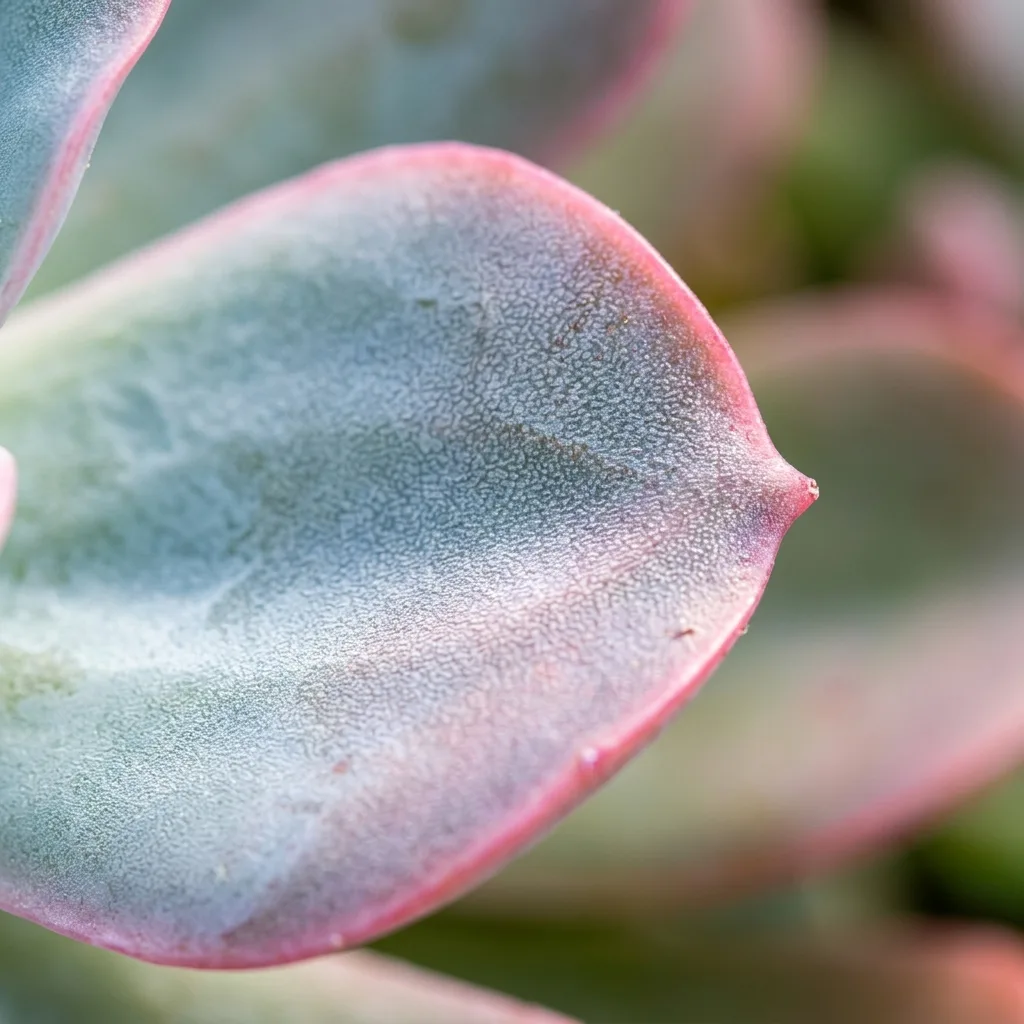
At the cellular tier, survival relies on specialized aquiferous parenchyma tissue and its distinct cell-wall plasticity. Forgiving species withstand abrupt plunges in turgor pressure; even when foliage wrinkles visibly, plasma membranes remain structurally intact. Furthermore, many of these species coat their epidermis with a silvery, powdery film (farina or epicuticular wax)—an intricate microcrystalline barrier that scatters intense ultraviolet radiation and prevents pathogenic fungal spores from adhering to the leaf surface.
15 Easiest Succulents to Grow
- Sansevieria trifasciata (Snake Plant): The ultimate low-light champion, surviving months without hydration thanks to dense, starch- and water-rich rhizomes.
- Zamioculcas zamiifolia (ZZ Plant / Succulent-Stemmed Aroid): Endures prolonged drought and deep ambient shade through massive subterranean water-storing tubers.
- Crassula ovata (Jade Plant): A resilient woody-stemmed classic with succulent obovate leaves that cheerfully tolerates architectural pruning and erratic watering.
- Haworthiopsis fasciata (Zebra Haworthia): Requires zero scorching direct sun, thriving in dappled light with an innate cellular resistance to fungal root pathogens.
- Gasteria batesiana (Ox Tongue): Native to shaded South African cliff faces, boasting thick, rugose foliage exceptionally adapted to lower interior light levels.
- Aloe vera: Renowned for its therapeutic mucilaginous parenchyma; extremely forgiving of drought provided it rests in a highly porous, gritty mineral substrate.
- Sedum morganianum (Burro's Tail): Despite its cascading habit, its high stem and leaf succulence allow it to withstand bone-dry potting mixes in hanging baskets.
- Graptopetalum paraguayense (Ghost Plant): Cold-hardy down to near freezing (-3°C) and exceptionally vigorous, rooting spontaneously from virtually every shed leaf.
- Kalanchoe tomentosa (Panda Plant): Dense, velvety trichomes (epidermal micro-hairs) create a still micro-boundary layer, reducing transpiration rates to near zero.
- Portulacaria afra (Elephant Bush): Highly flexible stems, miniature fleshy leaves, and rapid root regeneration make it one of the most forgiving dry-climate plants in cultivation.
- Euphorbia trigona (African Milk Tree): A majestic architectural xerophyte featuring ridged, cactus-like stems that demand minimal water and display stout root-rot resistance.
- Echeveria 'Lola': A compact rosette hybrid that marries classic sculptural symmetry with an exceptionally robust farina layer, shrugging off light stress.
- Sedum burrito: Characterized by plump, glaucous, bead-like foliage, this compact stonecrop acclimates swiftly to arid indoor living spaces.
- Schlumbergera bridgesii (Holiday Cactus): A segmented, spineless epiphyte adapted to moderate indoor humidity and indirect light, making it a delightfully hardy bloomer.
- Haworthia cooperi: Translucent epidermal leaf windows funnel ambient light deep into chloroplast-rich vacuolar tissues, making this miniature gem effortless indoors.
2. Diagnostic Symptoms and Plant Communication
Learning the biological vocabulary of your plant represents half the battle in successful cultivation. Succulents signal environmental distress through leaf firmness, color shifts, and stem posture. Misinterpreting these physiological cues—such as feeding a parched plant or overwatering an already suffocating root system—leads directly to tissue collapse.
- Under-Watering (Physiological Loss of Turgor): Basal and mid-tier leaves display fine transverse wrinkles, a matte appearance, and a pliable, spongy feel when gently squeezed. The plant has lost internal hydrostatic pressure, but cellular walls remain healthy; full turgor will restore within 24 to 48 hours following a deep soak.
- Over-Watering and Root Hypoxia: Foliage turns translucent, pale yellow, or watery-soft, dropping cleanly at the slightest touch. In advanced stages, the basal collar turns brown, soft, or black, signaling vascular rot.
- Etiolation (Light Deprivation): The compact rosette architecture elongates abnormally toward the light source, widening internodal spacing and leaching deep emerald hues into washed-out, pale greens.
- Sunburn (Photo-Oxidation): Sudden appearance of bleached, chalky white, or blackened necrotic patches on the exposed upper surfaces of the foliage due to unacclimated UV exposure.
3. Step-by-Step Horticultural Protocol
Regardless of which beginner species you cultivate, execute this five-step scientific protocol to guarantee sustained growth without the threat of root decay:
- Vessel Selection: Prioritize unglazed terracotta containers fitted with generous drainage openings. Terracotta's porous clay walls permit capillary evaporation of excess moisture and guarantee essential gas exchange (rhizosphere aeration) across the entire root perimeter.
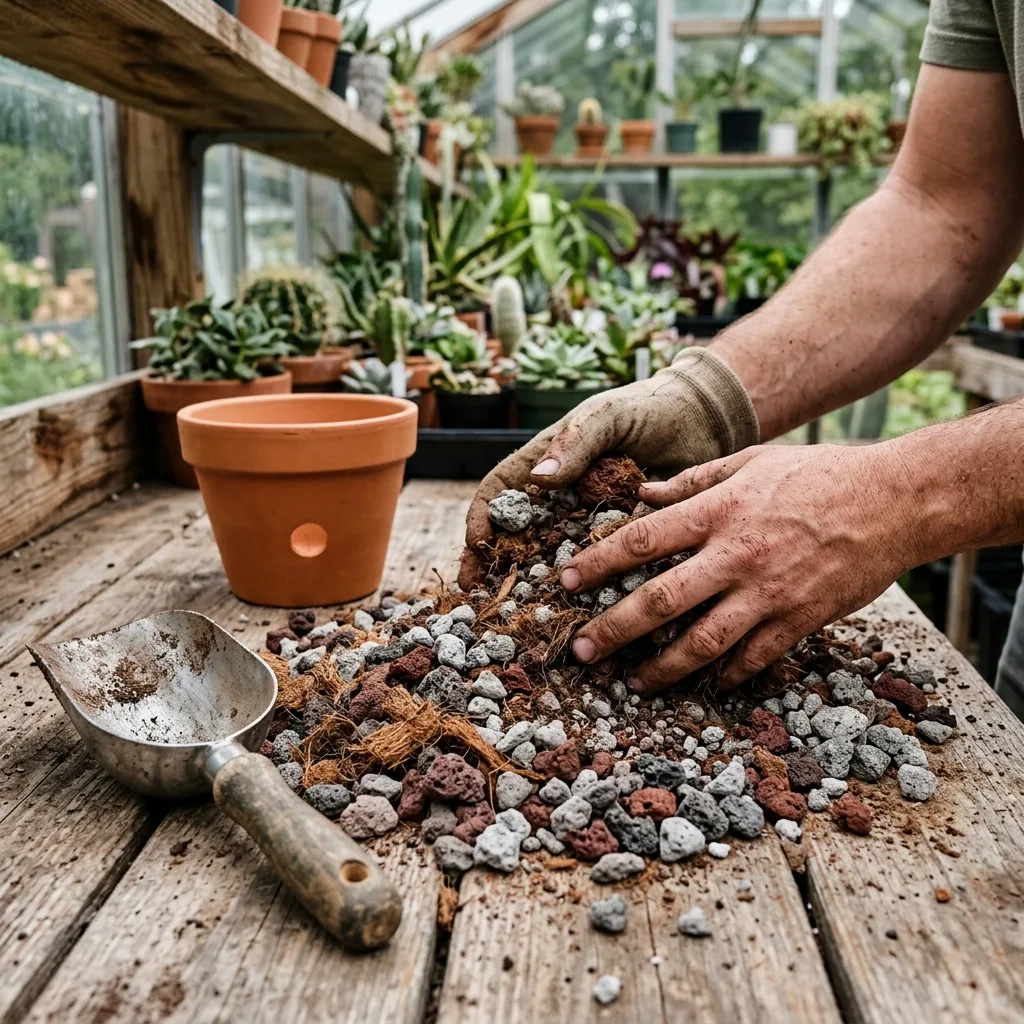
- Gritty Mineral Substrate: Conventional peat-based potting soils suffocate xerophytic root hairs. Formulate an open, hyper-porous potting medium consisting of pumice, volcanic scoria, and zeolite.
- Systematic Acclimatization: Never expose a nursery-grown succulent directly to intense midday sun. Provide bright, filtered illumination behind sheer drapes for the first 10 days, then gradually increase direct morning sun exposure by 30 minutes daily.
- The 'Soak and Dry' Irrigation Discipline: Abandon cosmetic light dribbles. When the substrate is thoroughly dry from top to bottom, saturate the root ball thoroughly until water drains copiously from the drainage hole. Discard all runoff collected in the saucer within 15 minutes. Never re-water until the bottom-most substrate stratum is completely dry (verify using a wooden skewer test).
- Atmospheric Circulation: Gentle air movement is the unsung defense against opportunistic powdery mildew and rot. Ventilate cultivation spaces daily to prevent stagnant microclimates from settling between fleshy leaf axils.
4. Substrate Metrics and Cultivation Standards
The table below details the ideal volumetric ratios and technical parameters required to sustain root health in low-maintenance succulent varieties:
| Cultivation Parameter | Recommended Metric / Component | Physiological Function |
|---|---|---|
| Mineral Matrix (60–70%) | Pumice (3–6 mm), Crushed Lava Scoria, Zeolite | Maximizes root zone oxygenation, guarantees rapid drainage, eliminates hypoxia |
| Organic Fraction (30–40%) | Coarse Coconut Coir + Pure Castings | Moderates Cation Exchange Capacity (CEC) and anchors root fibers |
| Container Medium | Unglazed Terracotta with Drainage Apertures | Capillary evaporation of perched water tables, root-wall aeration |
| Photometric Intensity | 2,500 – 4,500 Lumens (or 5–6 hours bright light daily) | Sustains compact growth habits, arrests structural etiolation |
| Irrigation Water Chemistry | Room-temperature, dechlorinated or RO water (pH 6.0 – 6.8) | Prevents salt accumulation and vascular root burns |
5. Common Mistakes and Emergency Rehabilitation
- Mistake 1: Cultivating in cachepots, sealed ceramics, or glass terrariums lacking drainage.
Rehabilitation: Standing water rots delicate root hairs within 48 hours. Transfer the specimen immediately into a porous terracotta pot with drainage. If planted in glass, withhold all water and extract the plant to inspect root tissue. - Mistake 2: Calendar-based watering regimens (e.g., "watering every Sunday").
Rehabilitation: Microclimatic humidity, seasonal temperatures, and day length dictate transpiration rates. Abandon rigid calendars. Rely solely on the skewer test—insert a wooden probe to the pot bottom; water only when it emerges completely dry. - Mistake 3: Tucking succulents into sunless hallways or damp bathrooms.
Rehabilitation: Relocate etiolated, stretched specimens systematically toward an unshaded east- or south-facing exposure. Behead any misshapen apical growth with a sterile blade, allow the stem to callus, and root it anew. - Mistake 4: Misting foliage with spray bottles.
Rehabilitation: Succulents are not tropical forest epiphytes. Water droplets trapped on farina-coated leaves act as optical lenses, inducing scorch marks and cultivating fungal spore pockets. Terminate misting; apply water directly to the soil surface. - Mistake 5: Retaining dense nursery peat around root balls.
Rehabilitation: High-density commercial peat hardens into a hydrophobic brick or turns into suffocating mud indoors. Gently untangle and wash away peat from dry roots before transferring into an inorganic mineral blend.
6. Seasonal Calendar and Long-Term Projections
Adhering to this disciplined physiological framework allows these 15 easy-care succulents to evolve into stunning heirloom specimens across the seasons:
- Spring (March – May): The vegetative awakening phase. New root hairs and apical tips break forth. Apply a low-nitrogen, balanced succulent fertilizer at quarter-to-half strength monthly. This is the optimal window for repotting and root pruning.
- Summer (June – August): Active transpiration phase, with possible semi-dormancy during prolonged heatwaves. Shield rosettes from harsh midday scorch while monitoring substrate dry-down rates closely as temperatures soar.
- Autumn (September – November): Pre-winter conditioning. The growing contrast between warm daytime temperatures and cool nights stimulates foliar anthocyanin production, coaxing out vibrant scarlet, violet, and burnished copper stress colors.
- Winter (December – February): Quiescent dormancy phase. CAM respiration drops significantly. Reduce irrigation to once every 3 to 5 weeks, housing plants in cool (12–16°C), sun-filled windows well clear of desiccating heating ducts.


Reader Reviews & Comments 4 Reviews
Eleanor Vance
Julian Thorne
Clara Higgins
Marcus Sterling
Leave a Review & Rating
Share your plant care tips, experiences, or questions with our succulent community.