Troubleshooting & Pests

Why Is Your Sensitive Plant (Mimosa pudica) Dying? Unresponsive Leaves, Pests, and Complete Recovery Guide

Renowned for instantly folding its foliage when touched, the sensitive plant (Mimosa pudica) is exceptionally vulnerable indoors to environmental stress, root hypoxia, and pest outbreaks. In this comprehensive guide, we unpack the biomechanics of thigmonastic movement, chlorosis, lethal root rot, and spider mite infestations, giving you evidence-based protocols to restore your plant's cellular vitality.

Rıfat Özkan
Rıfat Özkan Fact-Checked This guide has been reviewed and verified according to scientific botanical literature and succulent research standards.
Plant Care Specialist
23 Oct 2026 • 8 min read
Share: Pinterest
📌

Key Takeaways & Quick Summary

Key Takeaways
  • 🌿 Renowned for instantly folding its foliage when touched, the sensitive plant (Mimosa pudica) is exceptionally vulnerable indoors to environmental stress, root hypoxia, and pest outbreaks.
  • 💡 In this comprehensive guide, we unpack the biomechanics of thigmonastic movement, chlorosis, lethal root rot, and spider mite infestations, giving you evidence-based protocols to restore your plant's cellular vitality.
  • 🌱 100% field-tested for beginners, hobbyists, and plant collectors alike.
Save Why Is Your Sensitive Plant (Mimosa pudica) Dying? Unresponsive Leaves, Pests, and Complete Recovery Guide
Why Is Your Sensitive Plant (Mimosa pudica) Dying? Unresponsive Leaves, Pests, and Complete Recovery Guide
Advertisement

Hailing from the humid riverbanks and sun-dappled forest clearings of tropical South and Central America, Mimosa pudica—universally known as the 'Sensitive Plant', 'Touch-Me-Not', or 'Shy Plant'—stands as one of the plant kingdom's most captivating biomechanical marvels. At the gentlest touch, the flutter of an ambient breeze, or a shift in temperature, its pinnate leaflets fold inward and its petioles droop like falling dominoes. This spectacular display shatters the misconception that plant life is passive and immobile. However, this awe-inspiring defense reflex is also your primary diagnostic barometer when indoor conditions deteriorate. When your plant ceases folding upon touch, sheds yellowing leaflets, or wilts into sudden desiccation, its fragile tropical turgor equilibrium has been disrupted.

This rapid mechanical response is termed thigmonasty (or seismonasty) in botany. It is driven by specialized motor organs called 'pulvini' located at the base of each petiole and leaflet, which rapidly pump potassium ions and water out of their extensor cells into extracellular space. Yet, executing this captivating movement demands substantial cellular energy and moisture reserves. Under typical home conditions—dim light, bone-dry radiator air, waterlogged saucer basins, or cryptic two-spotted spider mites—this delicate metabolic engine quickly falters. Think of this guide as an empathetic consultation with a seasoned botanical mentor: we will decode your plant's biochemical distress signals with scientific precision and step-by-step horticultural care.

Advertisement

1. Early Diagnostic Signs and Microscopic / Visual Clues

A distressed Mimosa pudica cannot hide its ailments; its sensitive physiology translates internal stress directly into impaired movement and altered turgor dynamics. Identifying these symptoms in their earliest phases is the only reliable way to save the fragile root architecture from total collapse.

  • Unresponsive Pulvini (Loss of Folding Reflex): When mechanical stimulation fails to trigger leaflet (pinnae) closure, the plant has exhausted its cellular turgor pressure or suffered profound osmotic shock.
  • Compound Leaf Chlorosis (Yellowing): Uniform yellowing progressing from the proximal base toward the leaf tips signals overwatering and root-zone hypoxia. In contrast, stippled, mottled yellow flecks reveal piercing-sucking pest damage.
  • Spontaneous Lower Defoliation (Leaf Drop): Massive shedding of greenish-yellow leaves without mechanical disturbance indicates ambient relative humidity has plunged below 40%, accompanied by saline toxicity in the root zone.
  • Micro-Webbing at Petiole Nodes and Stem Axils: The sensitive plant's most devastating adversary, the two-spotted spider mite (Tetranychus urticae), spins fine, micro-fibrous webbing where leaf petioles join the main stem. A 10x botanical loupe reveals microscopic amber-to-red moving dots.
  • Vascular Darkening and Crown Softening: Dark brown or black lesions accompanied by spongy softening at the hypocotyl (soil collar) point to vascular wilt and decay orchestrated by Pythium or Fusarium pathogens.
Rıfat Özkan's Expert Insight: Do not pinch or stroke the foliage repeatedly to check if your sensitive plant is 'still alive.' If you need to test responsiveness, gently tap the side of the nursery pot with a single fingernail click. If the vibration wave (action potential) travels through the stem to the pulvini at its normal rate of 1 to 2 cm per second, its electrochemical signaling channels are intact. Constantly forcing a struggling specimen to close depleted glucose reserves needlessly drains vital energy needed for root repair and immune defense.
Advertisement

2. Root Causes and Environmental Triggers

The decline of a sensitive plant is seldom the result of an isolated mistake; more frequently, a cascading sequence of environmental mismatches compromises its immune vigor:

  • Sub-Optimal Ambient Humidity: Accustomed to native baseline levels of 70% to 85% relative humidity, Mimosa pudica responds to artificial winter heating (30–35% RH) by tightly shutting its stomata. This arrests photosynthetic transpiration and triggers cellular shrinkage.
  • Root Hypoxia and Pore Saturation: Standard peat-heavy indoor potting soils behave like waterlogged sponges. The hair-thin, fibrous lateral roots of Mimosa demand constant gaseous oxygen exchange. Remember: saturated soil is not an act of love; it deprives the root system of breath and induces systemic decay.
  • Insufficient Photosynthetically Active Radiation (PAR): As an obligate tropical heliophile, this species requires a minimum of 4 to 6 hours of filtered, bright sunlight daily. In dim light, internodes stretch uncontrollably (etiolation), tissue density weakens, and leaf retention collapses.
  • Excessive Mechanical Stimulation: Each complete leaf closure requires adenosine triphosphate (ATP) expenditure. A plant constantly triggered as a living novelty rapidly exhausts the metabolic reserves necessary for new foliage and root growth.
Critical Warning: Mimosa pudica roots are notoriously intolerant of tap water additives such as chlorine, chloramines, fluorine, and elevated bicarbonate salts. Hard tap water causes mineral encrustation across delicate root cell membranes, leading to intractable iron chlorosis (yellowing lamina with green veins). Always hydrate with dechlorinated, room-temperature rainwater, reverse-osmosis water, or distilled water.
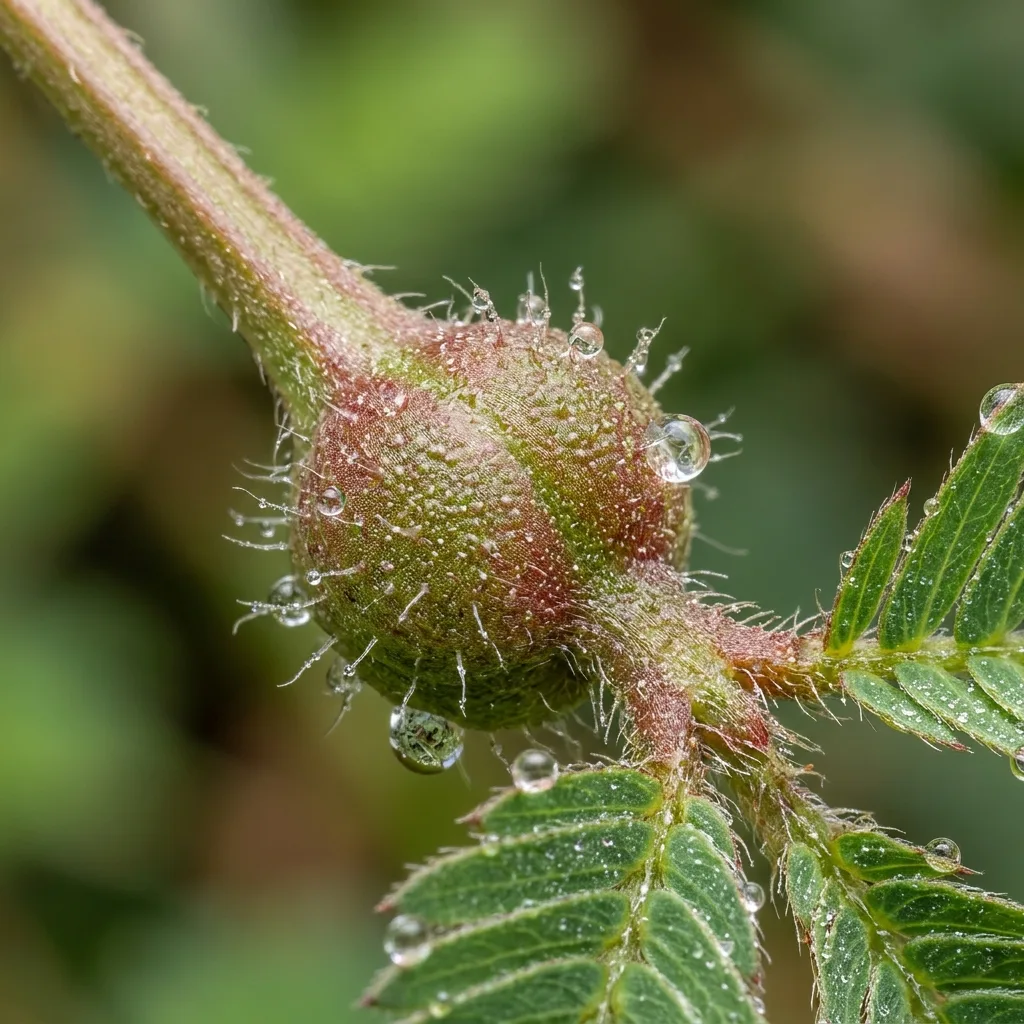
Why Is Your Sensitive Plant (Mimosa pudica) Dying? Unresponsive Leaves, Pests, and Complete Recovery Guide - Botanical Detail and Leaf Morphology
🔍 Botanical Detail: Characteristic leaf form, surface texture, and morphological features.

3. Natural and Organic Remediation Protocols

Because the bipinnate leaflets of Mimosa pudica are extraordinarily fine and membranous, harsh chemical treatments can trigger severe phytotoxicity. Initial interventions must be gentle, precise, and biologically sound:

  • Targeted Phyto-Shower Rinsing: Upon noticing early mite webs or mealybugs, wrap the pot and soil surface securely in a plastic bag down to the root crown. Transfer the plant to a washbasin and rinse the undersides of the foliage using a soft, lukewarm (22–24°C / 72–75°F) spray to physically eliminate up to 60% of the pest colony without waterlogging the substrate.
  • Cold-Pressed Pure Neem Oil Emulsion: In 1 liter of lukewarm distilled water, emulsify 4 ml of raw, cold-pressed virgin neem oil with 2 ml of organic castile soap (or fragrance-free potassium horticultural soap). Mist the upper and lower leaf surfaces during late twilight, away from any direct illumination to prevent thermal burns.
  • Microbial Root Shielding (Bacillus subtilis): At the first hint of substrate over-saturation, drench the root zone with an organic bio-fungicide containing Bacillus subtilis. These beneficial colonies colonize root hairs and competitively exclude destructive fungal pathogens.
Advertisement

4. Rational Chemical & Systemic Intervention Protocol

When pest infestations or systemic fungal infections breach the threshold where organic remedies can succeed, prompt and controlled chemical treatments are required to preserve remaining viable tissues. The following dosing matrix has been calibrated to target pests effectively without scorching fragile foliage:

Pathogen / Pest TargetActive IngredientDosage (Per 1 Liter Water)Delivery ModeTreatment Interval
Spider Mites (Tetranychus urticae)Abamectin (18 g/L)0.5 mlUltra-fine foliar spray to undersidesEvery 7 days (2 applications total)
Root & Crown Rot (Pythium / Phytophthora)Propamocarb Hydrochloride1.5 mlTargeted soil drench to root zoneRepeat once after 14 days
Mealybugs & Aphids (Pseudococcidae / Aphididae)Acetamiprid (20% SP)0.3 gramsComplete canopy and stem coverageEvery 10 days (2 applications total)
Powdery Mildew & Leaf Spot FungiAzoxystrobin (250 g/L)0.4 mlPreventative fine mist over foliageEvery 12 to 14 days as needed
Why Is Your Sensitive Plant (Mimosa pudica) Dying? Unresponsive Leaves, Pests, and Complete Recovery Guide - Care and Propagation Step
🌱 Care in Action: Healthy root development, repotting, and propagation steps.

5. Quarantine Protocols and Sanitary Measures

Any Mimosa pudica showing active symptoms or undergoing medical interventions must be segregated promptly to protect your broader plant collection:

  1. Spatial Isolation: Position the plant at least 2 meters (6.5 feet) away from other specimens in a stable microclimate of 20–24°C (68–75°F), protected from drafty air currents and harsh direct midday sun.
  2. Sterilization of Pruning Tools: Before pruning infected, necrotic, or withered petioles, dip your precision shears in a 70% isopropyl alcohol bath between cuts. This simple step prevents transferring microscopic pathogens into fresh vascular wounds.
  3. Pore and Soil Sanitation: Remove all fallen, decaying leaflets from the surface of the soil immediately. Decaying plant tissue creates an ideal breeding ground for sciarid flies (fungus gnats) and opportunistic fungal spores.

6. Plant Rehabilitation and Long-Term Recovery

Once active pathogens and pests have been eradicated, your sensitive plant needs a carefully managed convalescent routine to restore its cellular turgor and drive fresh apical growth:

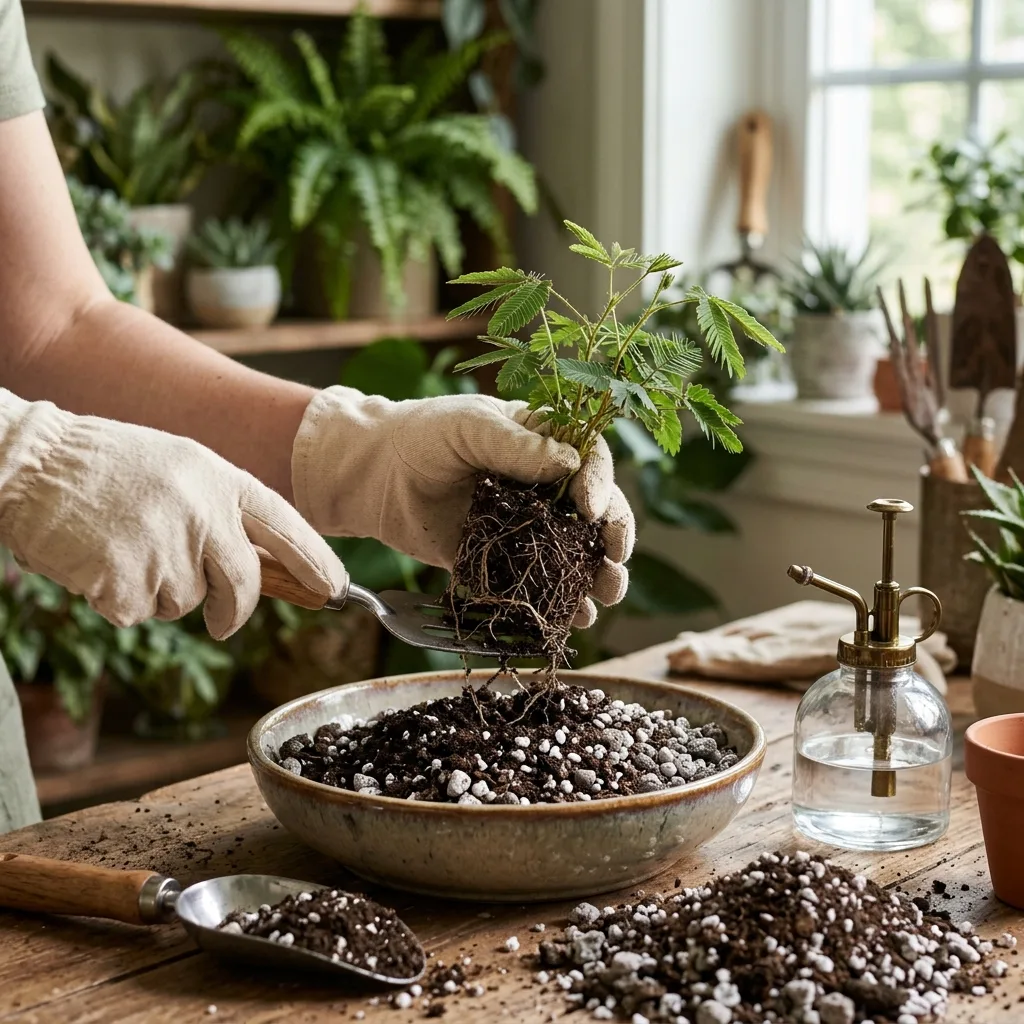
  • Substrate Reconstruction (Aerated and Porous): Free the root ball from compacted nursery peat. The optimal rehabilitation mix is: 40% washed coconut coir, 30% coarse perlite, 20% fine horticultural pumice (2–4 mm), and 10% screened worm castings. This blend prevents moisture stagnation while providing steady oxygen flow around root hairs.
  • Ventilated Humidity Tent Protocol: For specimens suffering significant foliage loss, construct a temporary recovery tent using a clear, perforated poly bag or plastic humidity dome, maintaining an 80% relative humidity pocket. Ventilate for 15 minutes daily to ensure air circulation and prevent surface mold.
  • Rhizosphere Biostimulation: Avoid high-nitrogen chemical fertilizers during early recovery. Instead, incorporate cold-water kelp extract (Ascophyllum nodosum) at 1 ml per liter of water during the first 3 weeks of hydration. Its natural cytokinins and betaines encourage active root-tip generation without placing osmotic stress on vulnerable tissues.

Save on Pinterest

Follow us on Pinterest for daily succulent inspiration and plant care hacks.

Save
🎮

Mini Botanical Quiz: Test Your Knowledge!

Answer 3 quick questions to reinforce what you learned in this guide:

1

What plant organ did cactus spines actually evolve from?

2

What is the number one cause of root rot in succulents and cacti?

3

What is the term for a succulent stretching tall and thin due to insufficient sunlight?

Frequently Asked Questions

Unresponsive leaves generally stem from two primary issues: physiological exhaustion or cellular water deficit. The motor cells in the pulvini rely on rapid potassium flux and adequate internal turgor pressure to fold. If the plant is dehydrated, suffering from root rot that blocks water uptake, or has been handled excessively, this biomechanical reflex temporarily locks up. Provide balanced moisture, bright indirect light, and undisturbed rest; the response usually recovers within 3 to 5 days.
Roughly 90% of lower leaf chlorosis and drop is caused by root hypoxia from overwatering. Even when the top layer of substrate feels dry, the bottom of the pot may be waterlogged. The second most common cause is dry indoor air (under 40% RH). Stabilize your humidity levels and water only when the top 2 to 3 cm (1 inch) of the growing medium has dried out.
In its native tropical habitat, Mimosa pudica is a perennial, semi-woody subshrub. Indoors, however, it is frequently treated as an annual because it struggles with low light and dry winter heating. By maintaining ambient temperatures above 18°C (64°F), supplementing with a full-spectrum LED grow light, and sustaining humidity, you can keep your specimen thriving for years, complete with summer pom-pom blossoms.
Fine micro-webbing confirms an active infestation of two-spotted spider mites (Tetranychus urticae). These arachnids thrive in dry air and suck sap from individual leaf cells. Immediately rinse the foliage with a gentle, lukewarm shower, spray the undersides thoroughly with an emulsified neem oil solution or an abamectin-based miticide, and elevate the room's ambient humidity.
Repot right away only if you detect a sour smell, visible fungal mold, or waterlogged soil consistent with root rot. If the plant is merely showing stress from a recent relocation or temporary under-watering, repotting will worsen root shock and may kill it. First stabilize moisture and humidity; if root rot is confirmed, gently remove the plant, trim necrotic black roots with sterile shears, and repot into a porous, pumice-enriched substrate.
Advertisement
Rıfat Özkan
Content Specialist & Author Plant Care Specialist

Rıfat Özkan

Botanical researcher and succulent enthusiast crafting science-backed, practical care and propagation guides to help your indoor plants thrive.

🧭 Keep Learning • Troubleshooting & Pests

How to Prepare Plants for Winter: Winter Shelter Setup, Frost Damage & Rot Recovery Guide

As winter cold snaps approach, discover the botanical science behind plant winterization. Master protective micro-greenhouse insulation, dormancy physiology, cellular frost mitigation, and proven methods to rescue cold-damaged succulent roots from fungal rot.

Reader Reviews & Comments

Reader Reviews & Comments 4 Reviews

4.8
★ ★ ★ ★ ★
Average Rating
Eleanor Vance 🌱

Eleanor Vance

Verified Reader
★ ★ ★ ★ ★
The explanation of how pulvinus motor cells depend on potassium ions and turgor pressure solved the mystery for me! I had no idea that touching the plant constantly depleted its cellular energy. I moved it under a gentle grow light and built a humidity tent as described—three days later, the leaflets are responding again.
Sophia Bennett 🌱

Sophia Bennett

Verified Reader
★ ★ ★ ★ ★
Outstanding, scientifically thorough advice. The section on spider mites helped me catch a severe infestation hidden in the leaf nodes. A gentle shower followed by a careful neem emulsion saved my specimen just in time.
Marcus Thorne 🌱

Marcus Thorne

Verified Reader
★ ★ ★ ★ ★
The substrate recipe (coir, perlite, pumice, and worm castings) made an immediate difference. My Mimosa was dropping lower leaves daily in regular potting peat. Since switching to this airy blend and treating with cold-water kelp extract, leaf loss stopped entirely and fresh shoots are emerging.
Julian Hayes 🌱

Julian Hayes

Verified Reader
★ ★ ★ ★ ★
Invaluable diagnostic breakdown. The single-tap test tip on the pot edge is brilliant—I used to pinch the leaves directly to check responsiveness, which was only stressing an already fragile plant. Great guidance from Rıfat Özkan and the team.
Continue Reading

Leave a Review & Rating

Share your plant care tips, experiences, or questions with our succulent community.

5 / 5 - Excellent!
Bot Verification Question

🌵 2 cacti + 4 succulents = how many plants? (number)

Continue Reading

Related Articles

Miniature Desert Rose (Trichodiadema densum): Rot, Fungal Disease, and Complete Rescue Guide Troubleshooting & Pests 8 min read
08 Nov 2026 • Rıfat Özkan Rıfat Özkan

Miniature Desert Rose (Trichodiadema densum): Rot, Fungal Disease, and Complete Rescue Guide

Native to the arid Karoo plateau of South Africa, the Miniature Desert Rose (Trichodiadema densum) charms succulent lovers with crown-like bristles at leaf tips and a sculpted, woody caudex. However, dense foliage cushions and overwatering frequently induce crown rot and fungal outbreaks. This comprehensive botanical guide details scientific and hands-on methods to halt rot and revive your plant.

Cobweb Houseleek (Sempervivum arachnoideum subsp. tomentosum): Rot, Fungus & Pest Revival Guide Troubleshooting & Pests 9 min read
07 Nov 2026 • Rıfat Özkan Rıfat Özkan

Cobweb Houseleek (Sempervivum arachnoideum subsp. tomentosum): Rot, Fungus & Pest Revival Guide

The Cobweb Houseleek (Sempervivum arachnoideum subsp. tomentosum) is among nature's hardiest alpine succulents, sheltered by a dense web of woolly trichomes. However, this intricate silken coating can trap excess moisture, turning into a fatal breeding ground for fungal pathogens and mealybugs. In this comprehensive rescue guide, discover scientific botanical interventions to cure root rot, eliminate hidden pests, and successfully rehabilitate your prized houseleek.

Advertisement
Member Member Member Rıfat Özkan
Growing Together with 12,000+ Plant Lovers

Weekly Succulent Newsletter

Receive expert plant tips, watering schedules, and rare species care straight to your inbox.

🔒 Zero Spam • Once weekly digest • Unsubscribe with one click anytime.

🌱
Botanical Tip of the Day Verified Botanical Fact

Opt for porous terracotta pots with drainage holes to keep root balls cool and well-aerated. 🪴